
African businesses seeking export markets face a challenge beyond production: proving that their goods meet the quality, safety and technical standards required by buyers and regulators. For smaller enterprises, testing, certification and compliance can be costly, particularly where laboratory facilities and technical expertise are limited.
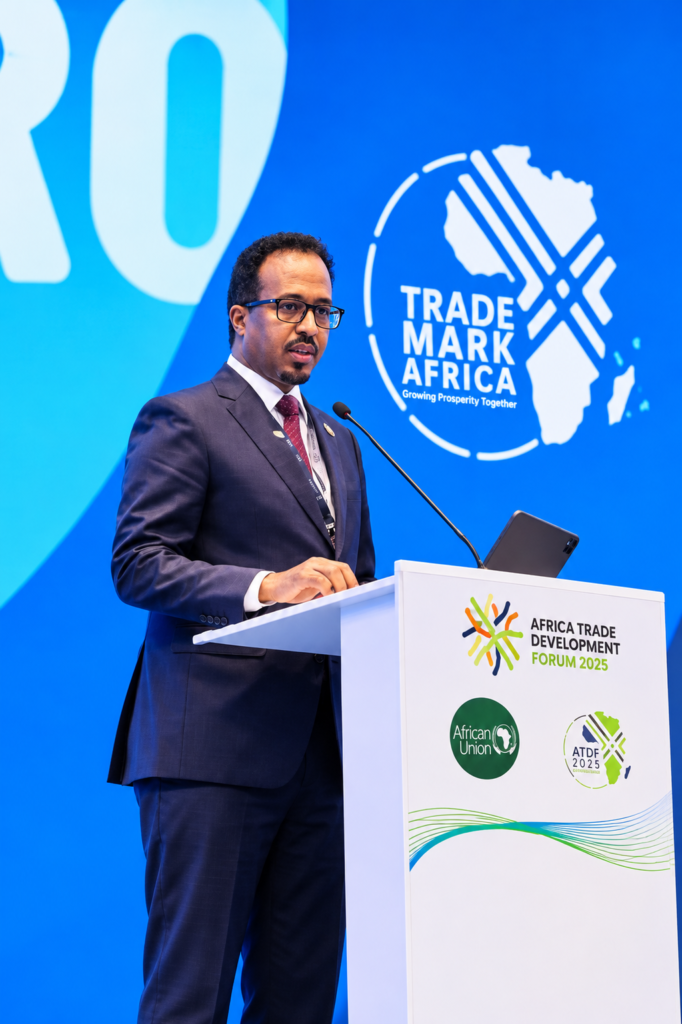
The challenge is central to discussions at the Africa Trade Development Forum 2026, taking place at the Ethiopian Skylight Hotel in Addis Ababa on 23–24 November. Convened by TradeMark Africa and the Government of Ethiopia under the theme Building Africa’s Exports Through Quality, the forum brings together policymakers, regulators, business leaders and development partners to explore how stronger quality systems can improve African exports.
After examining the barriers facing exporters on Monday, the forum’s second day, Tuesday, is focused on solutions and commitments. Its programme includes discussions on standards that should be simplified or harmonised, investment in quality infrastructure and financing for businesses seeking to enter export markets. The agenda also features the launch of the flagship report, Unlocking Africa’s Trade Through Quality: Building Trust, Expanding Exports, Boosting Growth.
The discussions come as African countries implement the African Continental Free Trade Area (AfCFTA), which connects 55 African Union member states in a potential market of about 1.4 billion people. However, lower tariffs alone cannot guarantee market access. Differences in technical requirements, food safety rules and certification procedures can still make cross-border trade difficult.
For exporters, the consequences are commercial. Agricultural produce can be rejected over contamination, pesticide residues or inadequate traceability, while manufacturers may face expensive certification and varying technical requirements. Where local laboratories cannot provide recognised test results, businesses may have to seek additional testing, increasing the cost of exporting.
Uganda’s experience shows the importance of quality infrastructure. In its FY2024/25 Agro-Industrialisation Annual Budget Monitoring Report, the Ministry of Finance, Planning and Economic Development reported that the Uganda National Bureau of Standards (UNBS) certified 5,703 products against a target of 6,000. It also certified 33 management systems and provided technical assistance and compliance assessments to 361 micro, small and medium-sized enterprises.
The report also recorded that the Ministry of Agriculture, Animal Industry and Fisheries, working with the Uganda Coffee Development Authority, inspected and certified 8.39 million 60-kilogramme bags of coffee for export during the financial year. However, it identified gaps in laboratory capacity, including the failure to achieve planned ISO/IEC 17025:2017 accreditation for the National Dairy Analytical Laboratory.
These gaps can make it harder for businesses to demonstrate compliance and secure buyer confidence. Stronger testing, inspection and accreditation services would help exporters meet market requirements while reducing delays and additional costs.
Regional cooperation is another part of the solution. The East African Community has pursued harmonised standards to reduce differences in technical requirements among member states. TradeMark Africa reports that its digital trade interventions supported the digitalisation of more than 100 public and private trade systems between 2010 and 2024, contributing to a 50 per cent reduction in average transaction costs across its programmes. The organisation also reports progress in harmonising EAC standards, including standards for edible oils linked to a trade sector valued at US$2 billion.
For smaller enterprises, meeting export requirements also requires investment in equipment, storage, packaging, traceability and certification. Access to affordable finance and technical support can therefore determine whether businesses are able to take advantage of new trade opportunities.
Uganda’s priorities include strengthening UNBS and agricultural inspection services, improving laboratory capacity and helping smaller enterprises meet the requirements of their target markets. Regional recognition of certification would further reduce repeated procedures for businesses trading across borders.
As the forum moves towards discussions on commitments and practical responses, the challenge for participating governments and institutions is to translate proposals into stronger laboratories, effective inspection services and standards that are recognised across markets. For Uganda and the wider continent, proving the quality of locally produced goods will be essential to turning expanded trade opportunities into sustained export growth.