From the golden plains of the Maasai Mara to the turquoise waters of the Indian Ocean coastline, Kenya has long been synonymous with wonder. For decades, its wildlife, landscapes and rich cultural heritage have drawn millions of travellers seeking some of the world’s most extraordinary experiences.
But Kenya’s next tourism chapter is not about attracting more visitors alone. It is about transforming tourism into one of the country’s most powerful engines of economic growth.
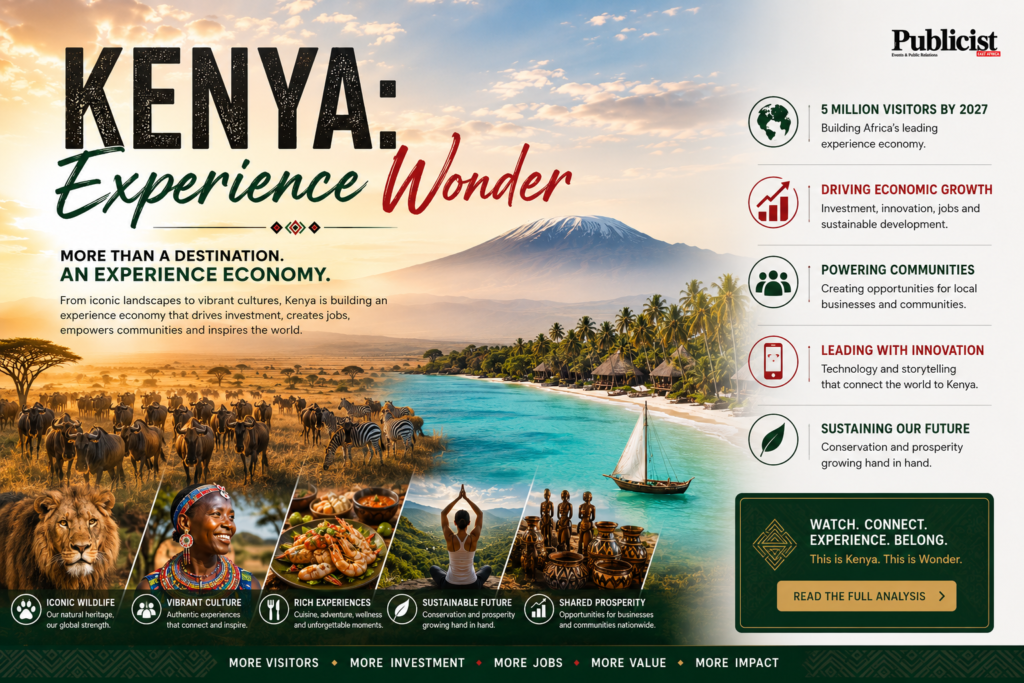
The country’s ambitious target of welcoming five million international visitors by 2027 reflects something much bigger than a marketing campaign. It signals a strategic shift towards building Africa’s leading experience economy, where tourism is no longer viewed simply as a travel industry, but as a platform for investment, innovation, technology, employment and sustainable development.
That ambition comes on the back of a remarkable recovery. International arrivals grew by 15% to approximately 2.4 million visitors, generating about US$3.5 billion in tourism earnings. Yet the significance of those numbers lies less in the recovery itself than in what Kenya hopes to build from it.
The next phase of tourism will not be won by destinations that simply attract more visitors. It will belong to those that create greater economic value from every journey.
Around the world, tourism has evolved from a leisure sector into a strategic pillar of national economic development. Every international visitor represents far more than a hotel booking or a safari ticket. Tourism stimulates investment, generates foreign exchange, creates employment and supports thousands of businesses across multiple sectors.
Hotels purchase food from local farmers. Airlines expand routes as passenger demand grows. Restaurants source from local producers. Artisans, transport operators, tour guides and technology companies all participate in a value chain that extends far beyond national parks and beaches.
Tourism’s true contribution therefore cannot be measured solely by arrivals. Its real value lies in how effectively visitor spending circulates throughout the economy, supporting small enterprises, attracting private investment and creating opportunities in both urban centres and rural communities.
For Kenya, attracting five million visitors is not the destination. It is the mechanism through which the country hopes to expand investment in aviation, hospitality, transport infrastructure, digital services and conservation while creating broader opportunities for businesses and communities.
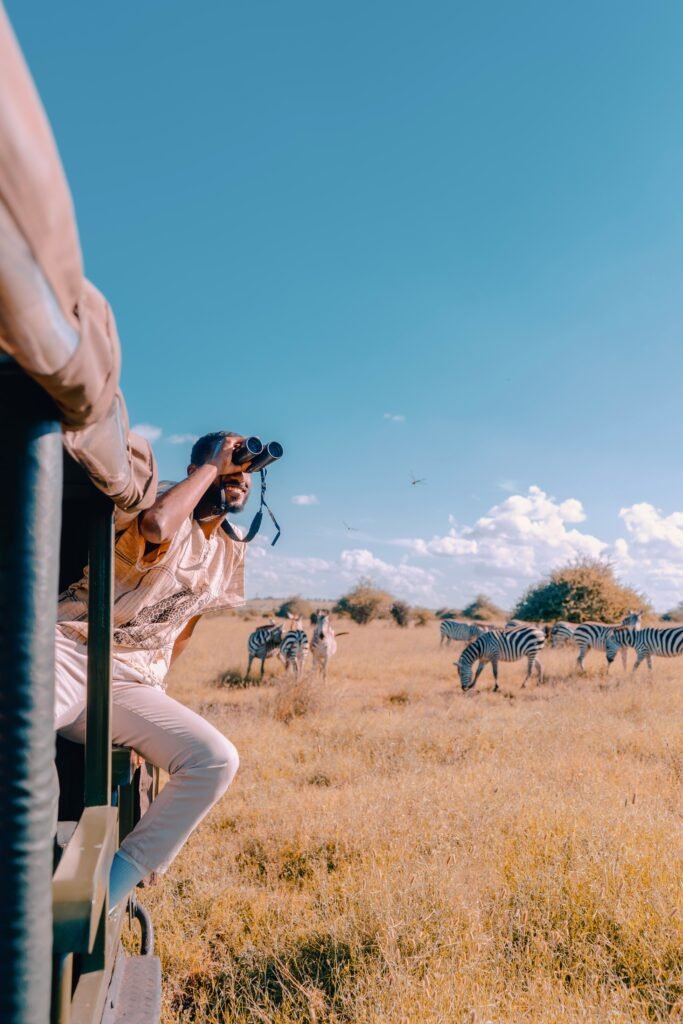
Kenya’s tourism identity has traditionally been defined by iconic wildlife experiences: lions roaming the savannah, elephants beneath Mount Kilimanjaro and the dramatic wildebeest migration across the Maasai Mara.
Those assets remain invaluable. Yet Kenya increasingly recognises that today’s travellers are purchasing experiences rather than destinations. Modern visitors seek authenticity. They want meaningful encounters with local communities, wellness retreats, culinary experiences, cultural immersion, adventure and conservation. They are searching for stories as much as scenery.
This thinking lies at the heart of Kenya’s “Experience Wonder” campaign, which seeks to reposition the country as a complete experience destination rather than simply one of Africa’s premier safari locations.
The strategy reflects a broader shift within the global tourism industry. Success is increasingly determined not by how many attractions a country possesses, but by how effectively it curates memorable experiences that encourage visitors to stay longer, spend more and return again.
In the experience economy, value is created not simply by moving people from one destination to another, but by creating emotional connections that endure long after the journey ends.
Perhaps the most innovative aspect of Kenya’s tourism strategy is its recognition that destinations now compete for attention before they compete for visitors.
The annual wildebeest migration has always ranked among the world’s greatest natural spectacles. Every year, millions of wildebeest cross the Maasai Mara in one of nature’s most dramatic displays, attracting visitors from across the globe.
Kenya is now exploring how technology can transform that annual event into a year-round digital experience through livestreaming and immersive storytelling.
This represents more than a marketing initiative. It reflects a profound shift in how destinations build demand.
In today’s digital economy, the customer journey often begins not at an airport but on a smartphone screen. A livestream watched in London, Lagos or Los Angeles may inspire tomorrow’s flight booking. Every social media video, virtual experience and online story becomes part of a destination’s economic infrastructure.
Tourism boards are no longer competing only through advertising campaigns. They are competing within the global attention economy, where capturing imagination precedes capturing market share.
Countries that master digital storytelling will increasingly shape travel decisions long before travellers compare prices or book accommodation.
As Kenya pursues its five million visitor target, the more important question is not simply how many people arrive, but how much value each visit creates. Longer stays generate higher spending. Increased spending encourages investment in hotels, transport, digital platforms and tourism infrastructure. Better infrastructure strengthens competitiveness, attracts additional investment and creates employment across the wider economy.
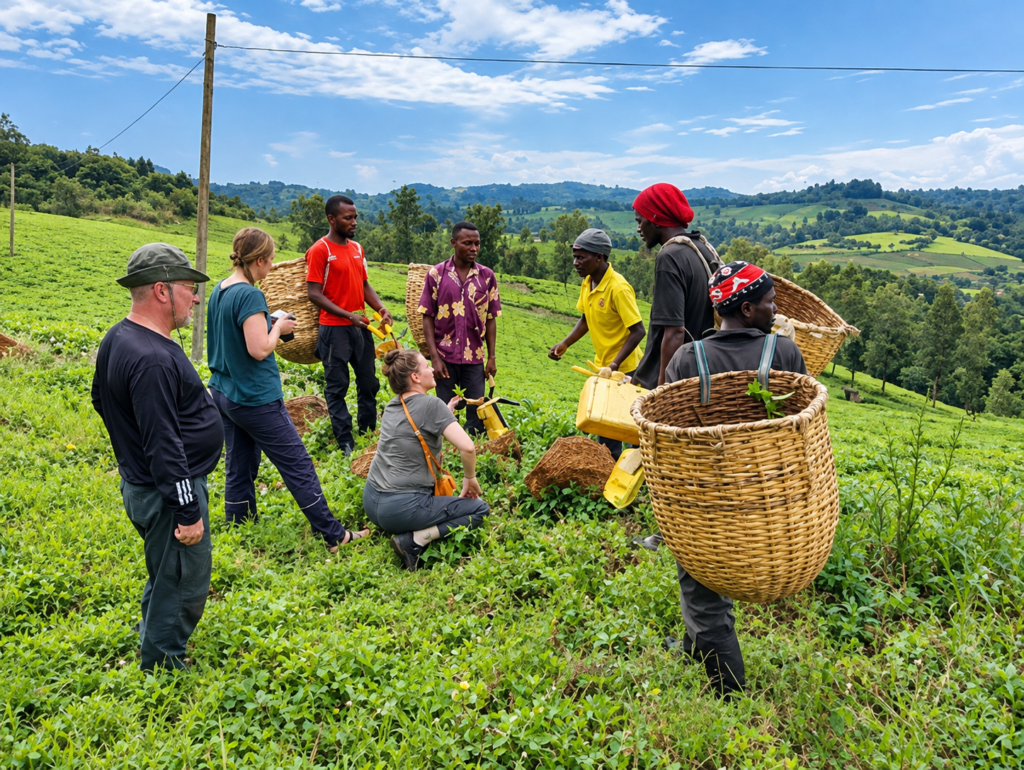
This shift from volume to value represents a more sustainable model of tourism development. Equally important is ensuring that tourism growth benefits the communities that sustain Kenya’s natural assets. Conservation succeeds when local people see tangible economic returns from protecting wildlife and ecosystems. Every visitor who purchases local crafts, stays in community-owned accommodation or hires local guides contributes to an economic model that links environmental stewardship with shared prosperity.
Tourism becomes most powerful when its benefits extend beyond airports and luxury lodges into villages, farms and small businesses across the country.
Kenya’s ambitions unfold amid growing competition across Africa.
Rwanda has positioned itself as a premium destination through high-value conservation tourism. Tanzania continues to leverage the Serengeti ecosystem and Zanzibar’s beaches, while South Africa offers one of the continent’s most diversified tourism experiences, combining wildlife, cities, wine regions and culture.
Kenya enters this competition with considerable strengths. It possesses one of Africa’s most recognised tourism brands, established infrastructure, world-renowned wildlife, an expansive coastline and decades of global visibility.
Yet competitive advantage will increasingly depend on more than natural beauty. The destinations that lead tomorrow’s tourism economy will be those that integrate technology, sustainability, investment and storytelling into a compelling visitor experience while ensuring that economic benefits reach businesses and communities alike.
Kenya’s five million visitor target should not be understood merely as a tourism ambition. It is an economic strategy designed to transform one of the country’s greatest natural assets into a platform for long-term growth.
By combining conservation with technology, branding with investment and digital storytelling with authentic experiences, Kenya is attempting to redefine how destinations compete in the twenty-first century.
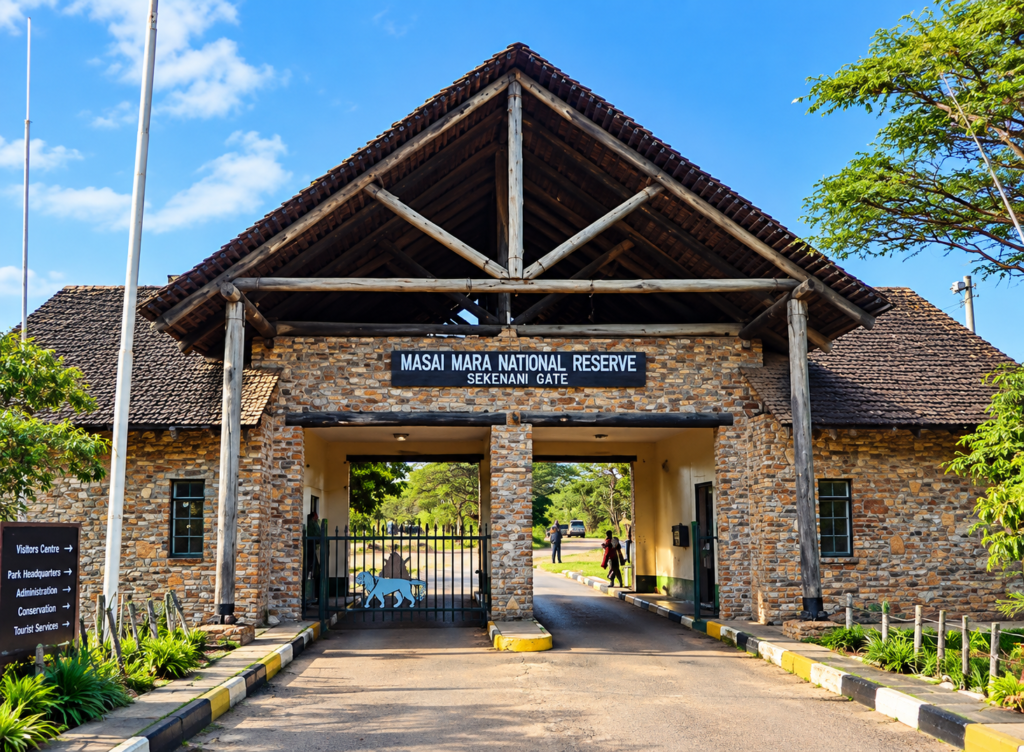
The Maasai Mara migration has always been one of the world’s greatest spectacles. Kenya’s challenge now is to ensure that the world does more than watch from afar.
Because the future of tourism will not be measured only by the number of passengers arriving at airports. It will be measured by the value those journeys create for businesses, communities, conservation and national economies. Kenya is no longer simply selling destinations. It is building an experience economy.