For three days this September, Uganda’s national parks will remove one of the biggest barriers to wildlife tourism: the entrance fee.
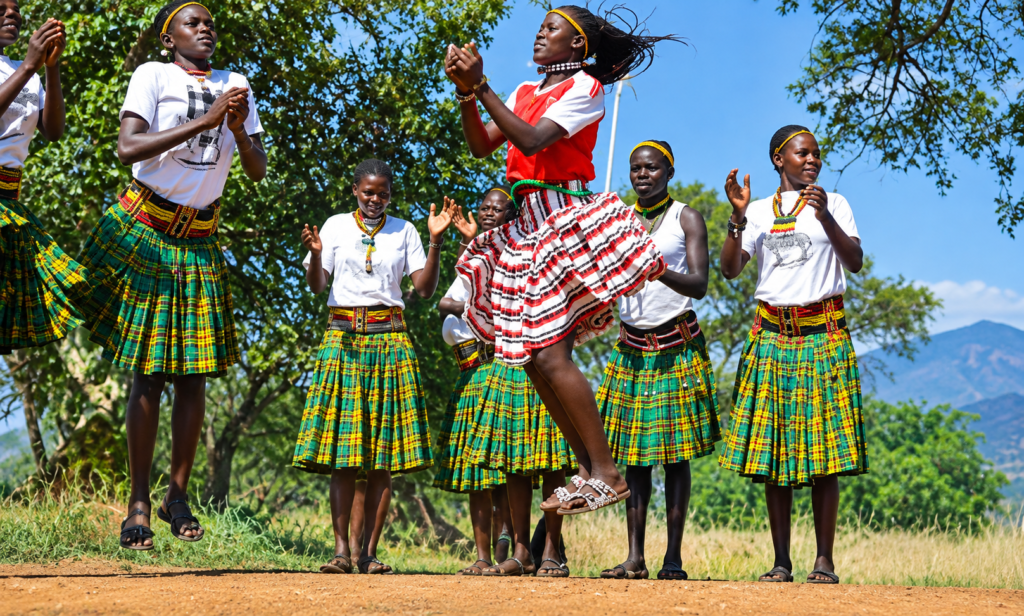
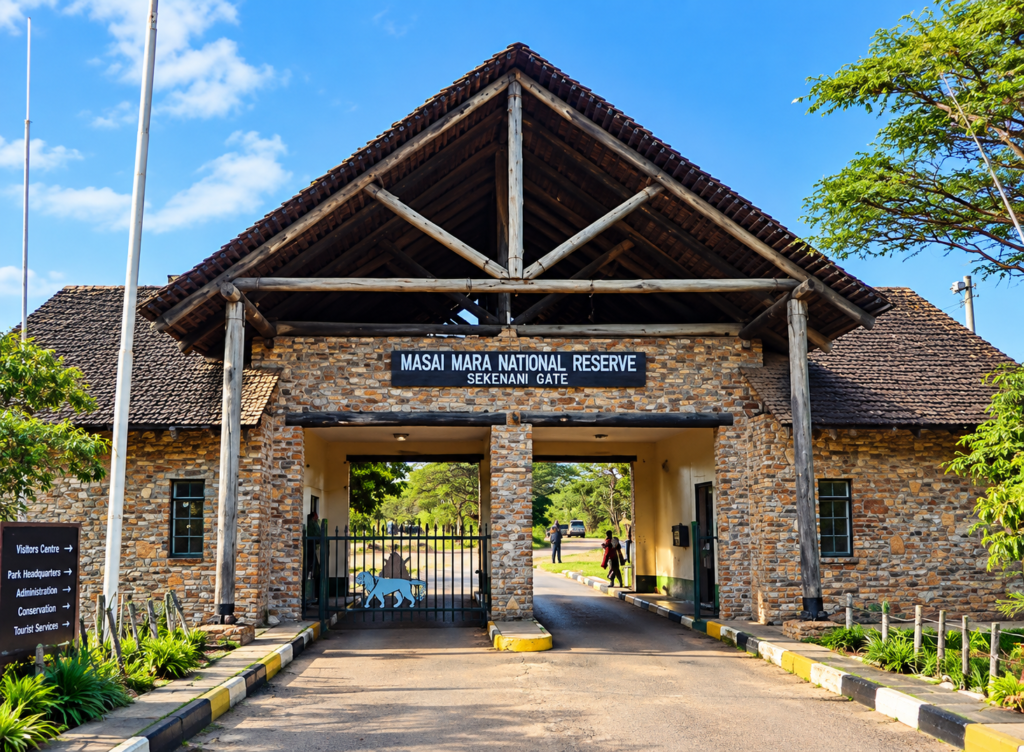
From September 25 to 27, the Uganda Wildlife Authority (UWA) will hold its 2026 Open Park Days, giving Ugandans free entry to participating national parks and wildlife areas as the country marks World Tourism Day. The initiative is designed to encourage Ugandans to experience the country’s wildlife and natural heritage and deepen domestic tourism.
But beyond the three free days is a bigger question for Uganda’s tourism economy: what happens when the Ugandan becomes the customer the industry builds for?
The market is already substantial. The Ministry of Tourism, Wildlife and Antiquities says about 3.27 million Ugandans participated in domestic tourism in 2025, alongside 1.642 million international tourist arrivals. The two figures measure different things and should not be treated as directly comparable visitor counts, but together they show the scale of activity within Uganda’s tourism economy. International tourism generated a record UGX5.83 trillion in receipts in 2025, while the sector contributed about 5.9% of GDP and directly supported more than 876,000 jobs.
Domestic tourism, therefore, is no longer simply a fallback market when international arrivals are weak. It is becoming a market that tourism businesses have to understand on its own terms.
The attraction of Open Park Days is obvious. Removing the entrance fee lowers the cost of experiencing a national park and gives potential visitors a reason to make the trip.
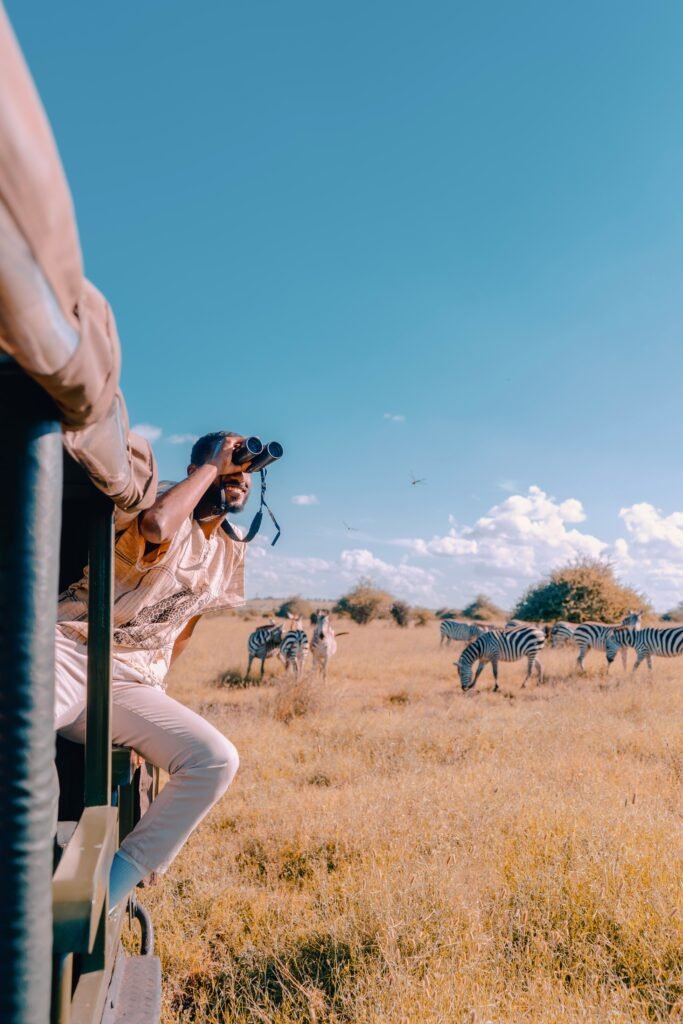
UWA’s 2025 Open Park Days offered an early indication of the interest such initiatives can generate. On the first day, more than 2,000 visitors entered Lake Mburo, Queen Elizabeth and Murchison Falls national parks, participating in game drives, boat cruises, nature walks and hikes. UWA reported that visitors came from Uganda and elsewhere in East Africa.
That number, however, does not by itself prove that free entry created a large increase over normal park traffic. What it does show is that when the barrier to entry is lowered, people will turn up.
The more important question is what happens after the gate fee returns.
For a family travelling from Kampala to Lake Mburo or Murchison Falls, the entrance fee is only one part of the bill. Transport, fuel, accommodation, food and activities can quickly become the larger expenses. Current safari packages illustrate the gap between the cost of entering a park and the cost of actually spending a weekend there. For example, one operator currently advertises a two-day Lake Mburo trip for two or more people at US$545 per person, while a two-day Murchison Falls package for two or more is listed at US$501 per person. These are packaged safari prices rather than what every domestic traveller would pay, but they demonstrate why the broader cost of the experience matters more than the gate fee alone.
That is where the opportunity for the private sector becomes clearer.
The domestic market cannot be built by taking products designed for foreign visitors and putting a discount on them.
An international visitor may fly into Uganda for a once-in-a-lifetime gorilla trek or spend several days moving between national parks. A Kampala family may want a two-night wildlife weekend. A university student may be looking for a hiking experience. A young professional may want a road trip, cultural experience or short nature escape.
The product, therefore, has to change with the customer. For domestic tourism to become habitual rather than occasional, businesses need to make the entire journey easier to buy: affordable transport, short-stay accommodation, flexible group travel, family-oriented pricing and experiences that fit into a weekend rather than requiring a long holiday.
The opportunity is not simply to get more Ugandans through park gates. It is to build an ecosystem around the domestic traveller.
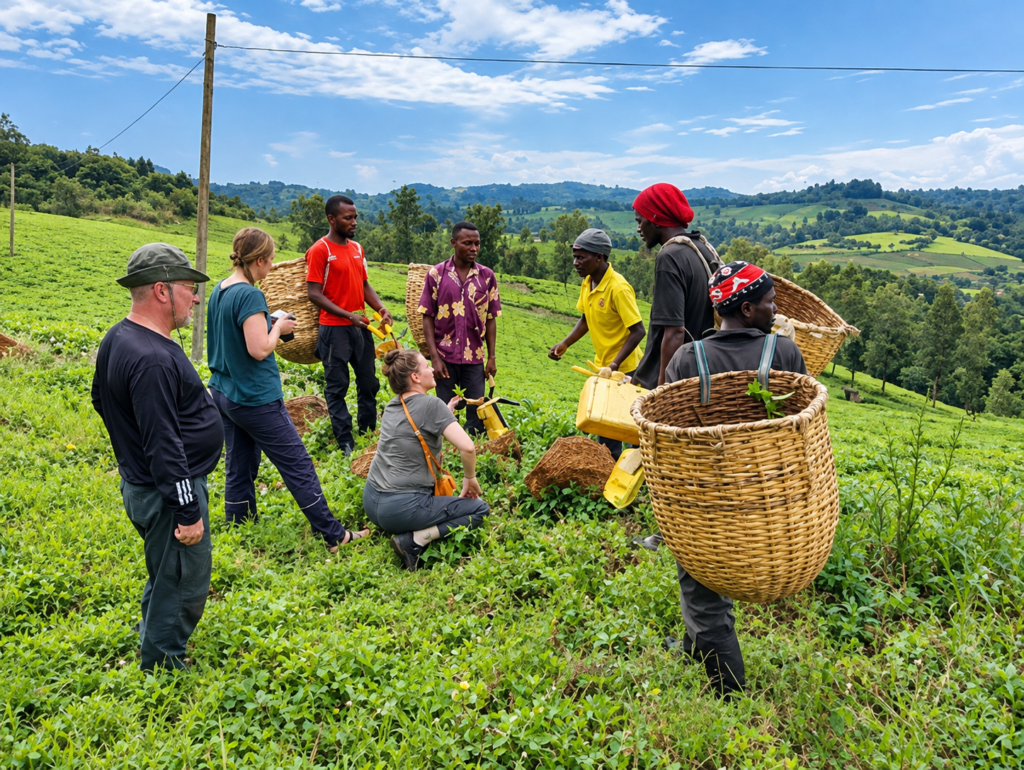
Tour operators can organise scheduled departures from Kampala and other urban centres. Hotels and lodges can develop short-stay packages around local demand. Transport companies can build tourism shuttles around popular routes. Attractions can package experiences for families, schools, churches, corporate groups and young travellers. Digital platforms can make it easier to discover destinations, compare prices, book accommodation and pay for trips.
And the opportunity extends well beyond wildlife. Uganda’s tourism assets include cultural and heritage sites, religious tourism, museums, lakes, rivers, mountains, hiking, adventure activities and community experiences. The Ministry identifies wildlife, landscapes, water and adventure activities among the country’s tourism assets, creating a much broader domestic tourism market than the traditional safari model suggests.
This matters because a domestic tourism economy is ultimately built on frequency.
An international visitor may come once and spend heavily. A Ugandan customer can potentially travel several times a year if the products are accessible enough. Recent reporting based on Ministry tourism statistics indicates that domestic tourism has been expanding through leisure, family visits, business travel, cultural events, religious pilgrimages, conferences and sports tourism.
That gives businesses an opportunity to move from selling individual trips to building repeat customers.
The market after Open Park Days
Uganda’s tourism sector is already growing. International arrivals rose from 1.372 million in 2024 to 1.642 million in 2025, while tourism receipts increased to UGX5.83 trillion. The Ministry has also identified expanding domestic tourism, improving accessibility, upgrading tourism infrastructure and investing in quality experiences among the priorities for sustaining that growth.
Open Park Days put the domestic customer directly in front of the industry.
If Ugandans respond to free access, the lesson should not simply be that people like free things. It should be that there is an audience willing to engage with Uganda’s tourism products when the overall experience becomes accessible.
The commercial opportunity is to convert that occasional interest into regular consumption. That means building tourism products around how Ugandans actually live, travel and spend: shorter trips, predictable prices, accessible transport, flexible accommodation and experiences that offer value without requiring an international-style safari budget.
The bigger opportunity is therefore not the three free days in September. It is what the industry builds after the gates close and the entrance fees return.