Uganda’s electricity generation capacity has expanded, but delivering reliable power to businesses and households remains a significant challenge. The pressure is increasingly concentrated in the distribution network, where rising demand, overloaded infrastructure and interruptions affect the cost of doing business.
The Uganda Electricity Distribution Company Limited (UEDCL) estimates that it needs approximately US994 million over five years to expand access, modernise its network and improve reliability. Of this amount 107 million has been identified for priority projects through December 2027. The larger figure is an investment requirement, not funding already secured.
The scale of demand explains the urgency. UEDCL now serves approximately 2.8 million customers, up from 1.64 million in 2021, while electricity demand in Greater Kampala has increased by about 60 per cent over five years. The company manages more than 92,000 kilometres of distribution lines, some of which require upgrading to accommodate growing consumption.
For manufacturers, the consequences are measurable. The Uganda Manufacturers Association’s 2024/25 survey found that some firms experienced power interruptions as frequently as 15 times a day, with businesses reporting generator fuel expenditure of up to Shs30 million monthly. These are reported cases, not industry-wide averages, but they demonstrate how unreliable supply can erode operating margins.
The wider business environment reinforces the concern. The Economic Policy Research Centre’s April–June 2026 Business Climate Index identified electricity-related challenges among the leading constraints reported by firms. Meanwhile, the October–December 2026 tariff schedule places medium industrial electricity at Shs363.8 per kilowatt-hour and large industrial tariffs at Shs308.1 and Shs290.6, depending on the consumption block. For businesses, the combined burden of electricity tariffs and backup generation can affect production costs and investment decisions.
Infrastructure constraints are also becoming more specific. A recent parliamentary review identified 13 medium-voltage feeders operating above their design capacity. Two examples in the Kampala area, Kampala South–Kigo and Namungoona–Nansana, were reported at 143.3 per cent and 126.9 per cent of design capacity respectively. At the national level, the Electricity Regulatory Authority reported distribution losses of 18.1 per cent in 2025, up from 16.7 per cent in 2024. The latter figures cover the national distribution system and should not be attributed to UEDCL alone.
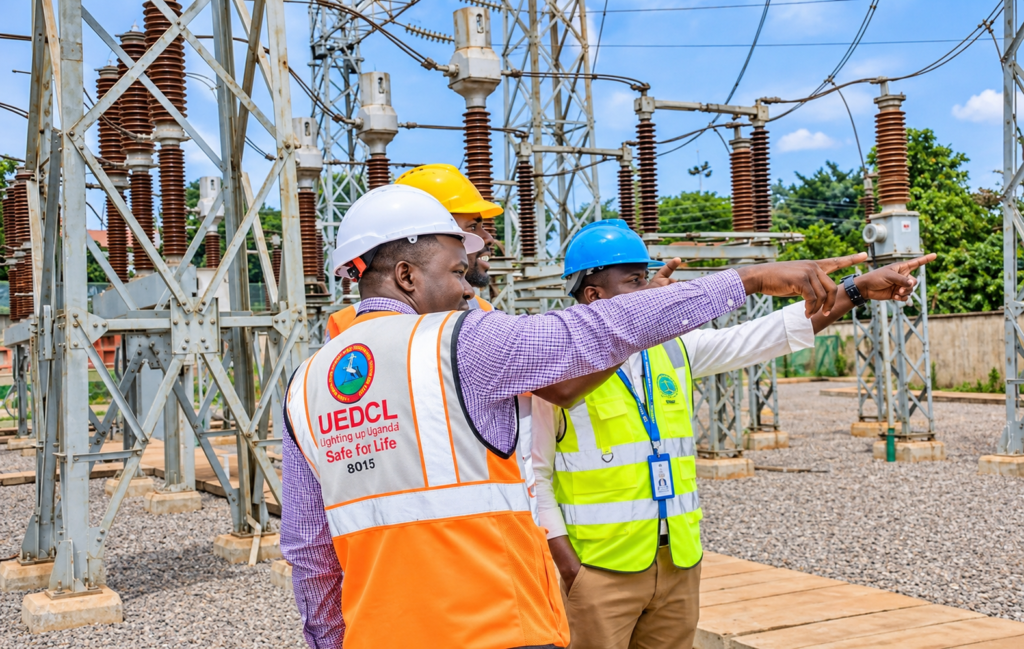
UEDCL has reported replacing 1,110 distribution transformers in the year to July 2026 and clearing approximately 34,200 kilometres of vegetation along power lines. It also says average transformer replacement times fell from 38 days at the end of June to fewer than 14 days by the end of August. These interventions are important, but their success should ultimately be reflected in fewer interruptions, faster restoration and improved network capacity.
The immediate question is how the US$994 million programme will be financed and implemented. UEDCL’s announcement does not provide a complete breakdown of secured funding, project costs or implementation timelines. Government resources, development finance and borrowing may offer financing routes, but the terms and implications need to be made clear. Businesses and taxpayers need visibility on what has been committed, which projects will be prioritised and when improvements should be delivered.
The programme also presents an opportunity for local engineering and manufacturing firms, particularly in the supply of transformers and other network equipment. UEDCL has acknowledged pressure on local transformer suppliers and the need to improve availability while supporting domestic production. Effective procurement could therefore strengthen both electricity infrastructure and local industrial capacity.
For investors and manufacturers, the measure of success will not be the amount announced or the number of new connections alone. It will be whether businesses can operate with fewer disruptions, lower backup-power costs and sufficient electricity capacity to expand. Uganda has invested in generating power; the next test is ensuring its distribution network can reliably deliver it to the economy.