Digital creators are increasingly shaping what people watch, believe, buy and discuss across Africa. From TikTok videos and YouTube channels to podcasts and Instagram posts, their platforms have become important sources of information, entertainment and public engagement, particularly among younger audiences.
Their growing influence is creating economic opportunities and giving more people the ability to tell stories, build communities and reach audiences beyond traditional media. However, it also raises questions about the skills, knowledge and accountability required when content creators become influential voices in the information environment.
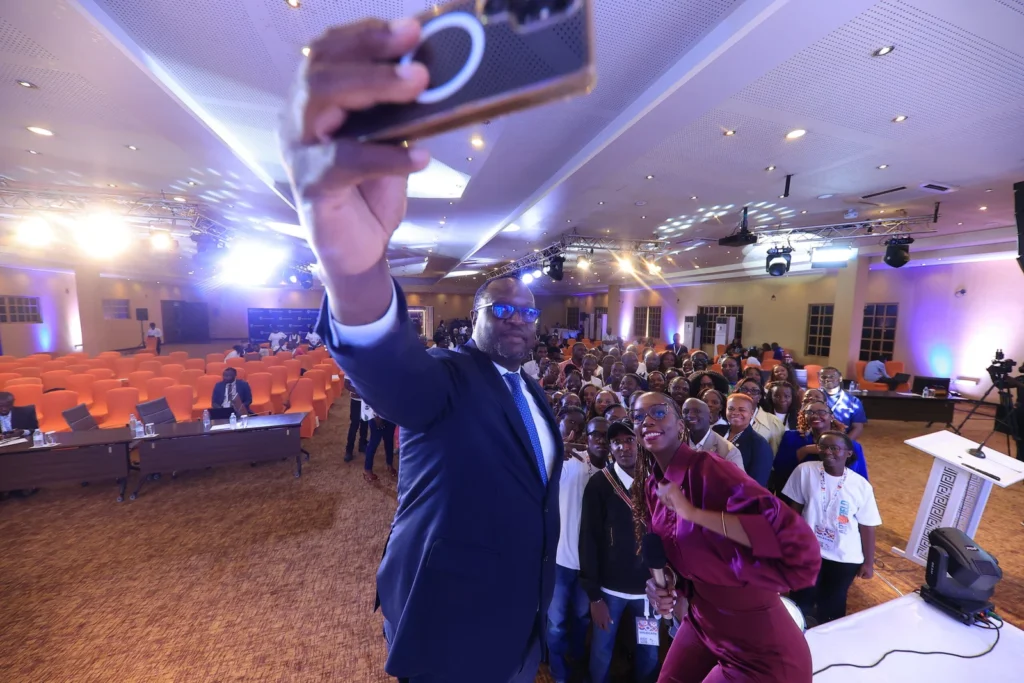
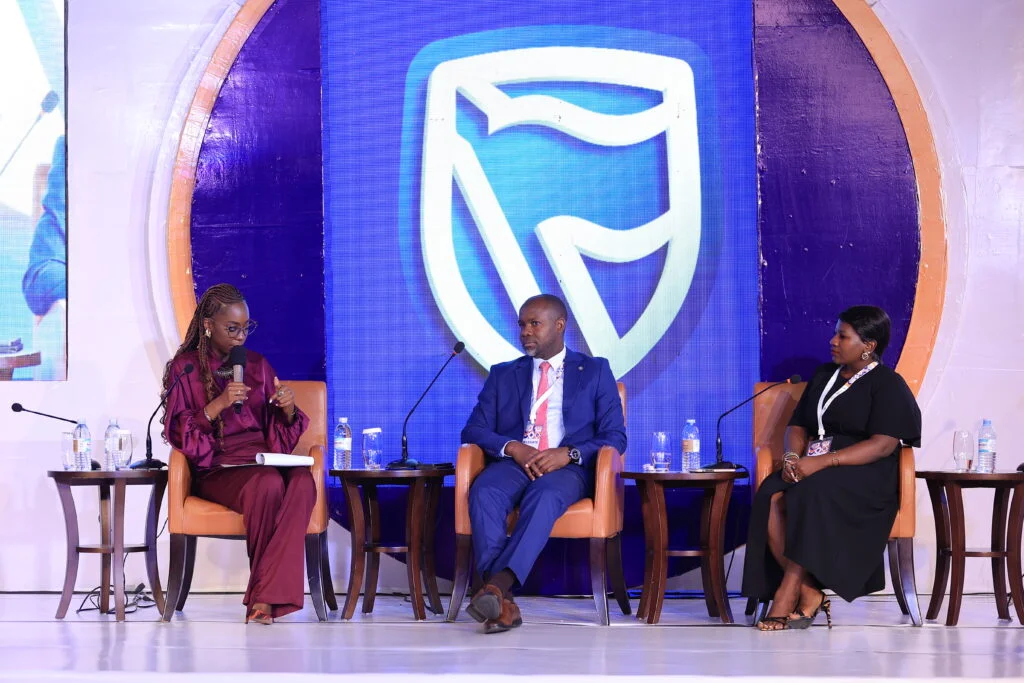
These questions featured prominently at the UNESCO Global Media and Information Literacy Week 2026 regional gathering in Nairobi, Kenya, held on October 26–27. The meeting, held under the regional theme “Digital Content Creators Play a Part: Driving Media and Information Literacy in Africa,” brought together approximately 90 creators from across the continent alongside policymakers, technology executives and other stakeholders to discuss ethical content production, artificial intelligence, misinformation and online safety.
The gathering formed part of the wider Global Media and Information Literacy Week, whose international theme was “We All Play a Part – Media and Information Literacy for the People.”
The importance of the discussions is reflected in UNESCO’s report, Behind the Screens in Kenya: Perspectives, Practices and Challenges of Digital Content Creators. The research focused on Kenya, surveying 380 digital content creators and engaging an additional 46 stakeholders through interviews and focus group discussions. Its findings provide a useful perspective on the challenges facing the creator economy, although they should not be interpreted as representative of the entire African continent.
One of the report’s notable findings concerns audience attention. It found that 58 per cent of consumers regularly paid attention to digital creators and influencers on social and video platforms, compared with 34 per cent who regularly focused on traditional news brands and journalists. The comparison illustrates the growing role of creators in Kenya’s information environment, particularly as audiences increasingly consume news, commentary and public affairs content through social media.
Yet the research also exposes gaps between growing influence and the ability to exercise it responsibly. Among the creators surveyed, 87.1 per cent had never received media and information literacy training, while 37.1 per cent did not systematically fact-check their posts. The study further found that 46.1 per cent of creators producing sponsored content did not disclose paid advertising, while 36.8 per cent did not disclose their use of generative artificial intelligence to audiences.
These findings matter because the consequences of publishing misleading information extend beyond individual platforms. An unverified claim, manipulated video or undisclosed commercial promotion can influence public opinion, damage reputations and weaken confidence in the information people consume. The increasing accessibility of generative AI makes the challenge more complex by allowing creators to produce convincing images, videos and voiceovers that may be difficult for audiences to distinguish from authentic material.
The research also points to challenges around copyright, freedom of expression and online safety. Many of the surveyed creators lacked awareness of relevant legal responsibilities, while 79.2 per cent had experienced or witnessed technology-facilitated gender-based violence. This demonstrates that professionalising the creator economy must involve protecting creators as well as helping them understand their responsibilities.
There are, however, encouraging signs that creators recognise the importance of improving their practices. UNESCO found that 91.6 per cent believed ethical codes could help build audience trust, while 95 per cent expressed interest in training on ethics and freedom of expression. The willingness to participate in such programmes offers an opportunity for media organisations, governments, technology companies and educational institutions to provide practical support.
At the Nairobi gathering, discussions explored how creators could strengthen verification practices, identify deepfakes, use AI responsibly and develop content that serves public interest. UNESCO also facilitated practical engagement through its Super Creators Toolkit, developed with support from Google, to promote more informed and ethical approaches to digital content production.
For Uganda, these conversations come at a time when content creation is becoming an increasingly attractive career and business opportunity. Young people are building audiences through social media, while companies are turning to influencers and digital personalities to market products, communicate with customers and reach new markets. However, the commercial value of this growing industry will depend partly on whether creators can maintain the confidence of the audiences and businesses they serve.
Creators need more than production skills and strategies for increasing followers. They must understand verification, copyright, advertising disclosure, digital safety and the implications of using AI-generated content. Businesses also have a responsibility to consider the credibility and conduct of the creators they engage rather than judging partnerships solely by audience numbers.
These concerns connect with the upcoming Stanbic Ongea Digital Creators Summit 2026, scheduled for Wednesday, 2 December 2026, at MoTIV (Vibe House), Old Port Bell Road, Kampala. Held under the theme “From Content to Capital,” the Summit will focus on the transition from content production and audience building to sustainable businesses, commercial partnerships and professional opportunities.
UNESCO’s confirmed virtual contribution through its Media and Information Literacy team will provide a direct connection between the discussions in Nairobi and the Kampala engagement, bringing regional perspectives on responsible content creation and information integrity into conversations about the creator economy.
Joseph Kanyamunyu, Convenor of Ongea Africa who was also in Nairobi, says the relationship between responsible content creation and commercial growth is important to the future of the industry.
“Trust has a direct bearing on a creator’s ability to build a lasting business. Audiences need reliable information, and brands need confidence in the people they work with. At Ongea, we want business growth and responsible content creation to develop together.”
The connection is important because the ability to attract commercial partnerships depends on more than visibility. Brands need creators whose audiences trust their recommendations, while creators need to protect their credibility if they are to build lasting relationships with businesses. As the industry develops, professional standards and media literacy can help establish the confidence needed for these relationships to grow.
Africa’s creator economy has significant potential to support employment, entrepreneurship, cultural expression and public engagement. Realising that potential will require investment in skills, stronger professional networks, access to business opportunities and greater awareness of the responsibilities that accompany digital influence.
The Kenyan research provides a starting point for understanding some of these challenges, but more country-specific studies are needed to establish the realities of different African markets. Uganda, in particular, needs a clearer understanding of the skills gaps, commercial opportunities and safety concerns affecting its growing community of creators.
Ultimately, the future of the creator economy will not be determined by views, followers and viral moments alone. The quality of information creators share, the confidence they build with audiences and their ability to develop sustainable businesses will also shape the industry’s long-term value. As creators become increasingly influential voices in public life, media and information literacy must become an essential part of their professional development.