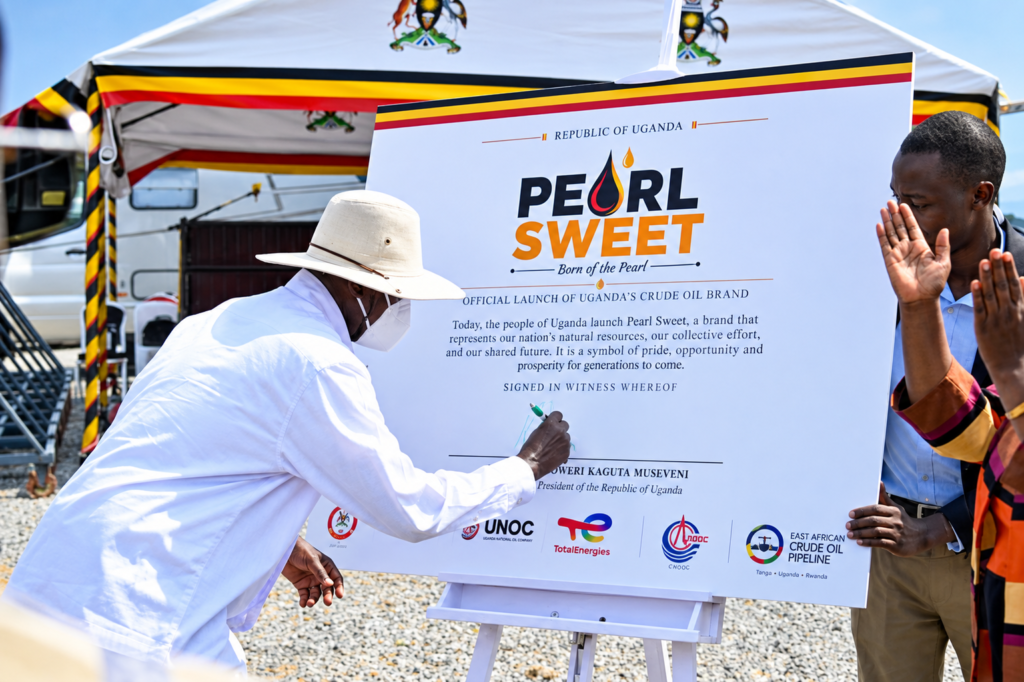
When Uganda begins exporting its crude oil, the country will gain a new source of foreign exchange and government revenue. But whether this wealth can help deliver the ambition of a $500 billion economy by 2040 will depend on how effectively it is invested beyond the oil industry.
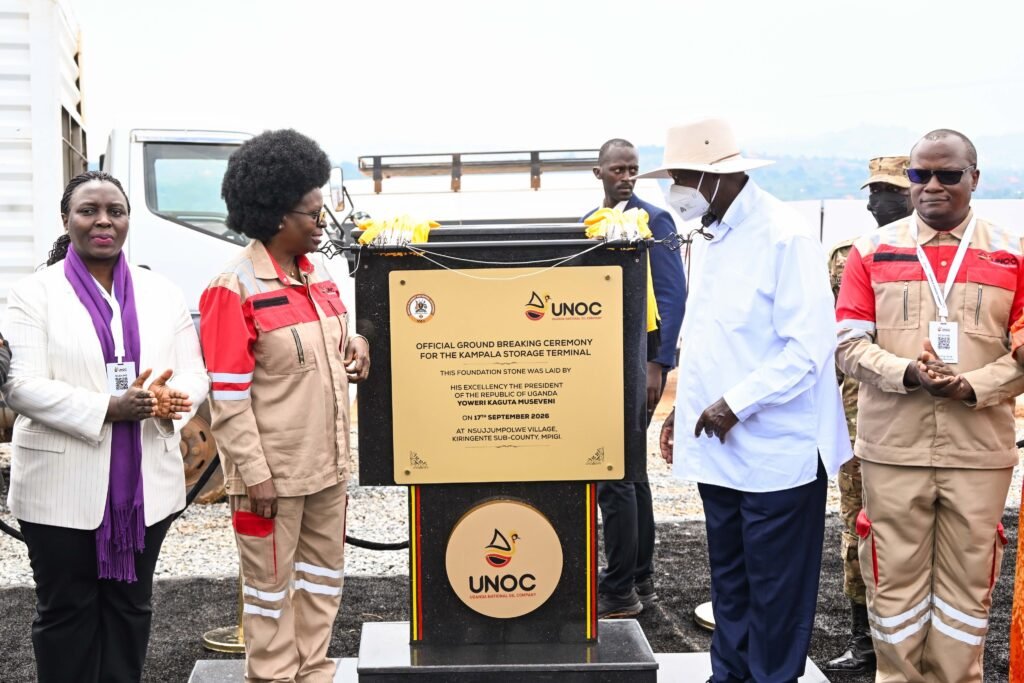
Named Pearl Sweet by President Yoweri Museveni, Uganda’s crude is expected to begin entering the export market around 2027. Production from the Tilenga and Kingfisher projects is expected to reach about 230,000 barrels per day, with exports transported through the East African Crude Oil Pipeline to Tanzania’s port of Tanga.
The opportunity is significant. Uganda’s economy is currently worth about $70 billion, and the Government’s Tenfold Growth Strategy identifies agro-industrialisation, tourism, mineral development and science, technology and innovation as key drivers of expansion.
Oil can help finance this ambition, but projected export earnings should not be confused with government revenue. The money earned from selling crude is not the same as the amount available to the Treasury after production costs and commercial arrangements. Nor can oil exports alone deliver a $500 billion economy. That requires sustained growth across multiple sectors.
The central challenge is turning petroleum wealth into productive assets that continue generating value long after the oil is depleted.
Uganda already has a legal framework for managing petroleum revenues under the Public Finance Management Act, 2015, which provides for the Petroleum Fund and the management of petroleum income. The challenge is ensuring that the framework delivers transparent revenue collection, disciplined spending and investments that strengthen the wider economy.
Norway offers a useful lesson. It established a sovereign wealth fund to invest petroleum revenues and preserve wealth for future generations. Uganda cannot replicate Norway’s circumstances, but it can apply the underlying principle: some of the wealth from an exhaustible resource should be converted into assets that last.
For Uganda, these assets should include reliable electricity, better transport infrastructure, technical education and stronger domestic businesses. Such investments can lower operating costs and help agriculture, manufacturing, tourism and services become more competitive.
The oil industry itself offers an immediate opportunity to develop local enterprises. Ugandan firms can supply transport, engineering, catering, construction, technology and professional services. However, winning contracts is only the beginning. Businesses also need access to finance, skilled workers, certification and modern equipment to compete for larger contracts and enter other markets.
The lasting benefit will come when companies use the experience gained from oil projects to serve other industries and customers across East Africa.
Agriculture provides one of the clearest opportunities. Uganda produces coffee, cocoa, fish and other commodities, but more domestic processing, packaging and branding could increase the value retained locally. Investment in irrigation, storage, electricity and transport could help agricultural businesses expand production and reach new markets.
Manufacturing could benefit from more reliable power, improved logistics and access to finance, while tourism could generate more jobs and foreign exchange through better infrastructure and stronger destination marketing. Technology and professional services also offer opportunities for Ugandan companies to sell products and expertise beyond the domestic market.
These sectors will not grow simply because oil money becomes available. They need predictable regulation, skilled workers, competitive financing and access to customers. Public investment must therefore address the constraints that prevent businesses from expanding.
Nigeria offers a warning. Decades of petroleum production have not automatically eliminated poverty or structural weaknesses in its wider economy. The United Arab Emirates provides a different lesson, having used oil wealth to support the development of trade, aviation, logistics, tourism and finance.
Uganda’s circumstances differ from both countries, but the lesson is clear: resource wealth becomes more valuable when it strengthens other sources of economic activity rather than replacing them.
Uganda must also recognise that petroleum revenues will fluctuate with global prices and production levels. Uncertainty surrounding the global energy transition makes it unwise to assume that oil will provide an unlimited source of income.
The country should therefore measure progress towards its $500 billion target by more than GDP growth. It should examine whether productivity is improving, Ugandan companies are becoming more competitive, exports are diversifying and more workers are moving into higher-value employment.
Oil can provide capital for this transformation, but the wider economy must generate much of the additional value needed to reach the target.
Uganda has an opportunity to learn from other resource-producing countries before its own oil economy matures. The priority should be to manage petroleum revenues transparently, invest in productive infrastructure and help domestic businesses build capabilities that extend beyond the oil fields.
Pearl Sweet could become an important source of financing for Uganda’s development. Its lasting value, however, will depend on what the country builds with the proceeds: stronger enterprises, more productive workers, higher-value exports and an economy capable of generating prosperity from multiple sources.
Uganda has named its oil. The bigger task is to make sure the wealth it creates has a long life beyond the oil fields.