
There is a popular saying in governance circles that “Executive Directors bury the bodies, and Non-Executive Directors must find them.” The statement is tongue-in-cheek, but it captures one of the most delicate realities of Board life: the tension between those who run the organisation day-to-day and those who are expected to oversee it.
Executive Directors (EDs) are deeply involved in the engine room of operations. They know where the weaknesses lie, which numbers are soft, where reputational risks are lurking, and what uncomfortable truths may never make it into the glossy board pack.
Non-Executive Directors (NEDs), on the other hand, rely on what they are told; the dashboards, presentations, and assurances given by the same executives whose work they are meant to scrutinise.
This dynamic makes oversight a subtle art. Governance failure rarely begins with malice; it starts with comfort.
When NEDs stop asking hard questions, when they stop following the trail of unease, or when they assume that Management “has it under control,” that is when problems are quietly buried.
Good NEDs understand that their duty is not to distrust Management, but to verify them. Their role is to probe beneath the surface, to connect the dots, and to sense when the narrative doesn’t align with the evidence.
Finding the “buried bodies” is not about suspicion; it is about stewardship. It is about protecting shareholders and the public from the silent erosion of integrity.
Boards that work well maintain a healthy tension between Executive and Non-Executive Directors. The Executives bring energy, knowledge, and operational depth; the Non-Executives bring distance, perspective, and discipline.
When that balance tilts too far in favour of Management, oversight becomes ceremonial. When it tilts too far toward distrust, collaboration breaks down. The best Boards manage the tension, not eliminate it.
The modern Board must also evolve beyond intuition. It is no longer enough for NEDs to ask, “Are there any issues we should know about?” and accept silence as an answer.
Governance now requires data literacy, risk sensitivity, and the courage to interrogate systems, not people. Technology has made it possible for Boards to see deeper and earlier, if only they have the appetite to look.
But there is another layer to the quote worth reflecting on. What if the “bodies” are not mistakes or frauds, but truths too uncomfortable for Management to confront: ethical lapses, toxic culture, unsustainable models, or silent conflicts of interest?
In that case, the NED’s responsibility is not merely to find them but to ensure they are addressed and buried properly, with transparency, accountability, and lessons learned.
At its core, this saying is not about cynicism; it is about vigilance. The difference between a failed institution and a resilient one often lies in whether someone on the Board was willing to dig deeper when everything looked fine on the surface. Governance demands curiosity; the discipline to keep asking “why” until clarity is found.
If Executive Directors are the hands that build the organisation, Non-Executive Directors are the conscience that keeps it honest. Both roles are indispensable, but when conscience sleeps, even the strongest hands can build on sand.
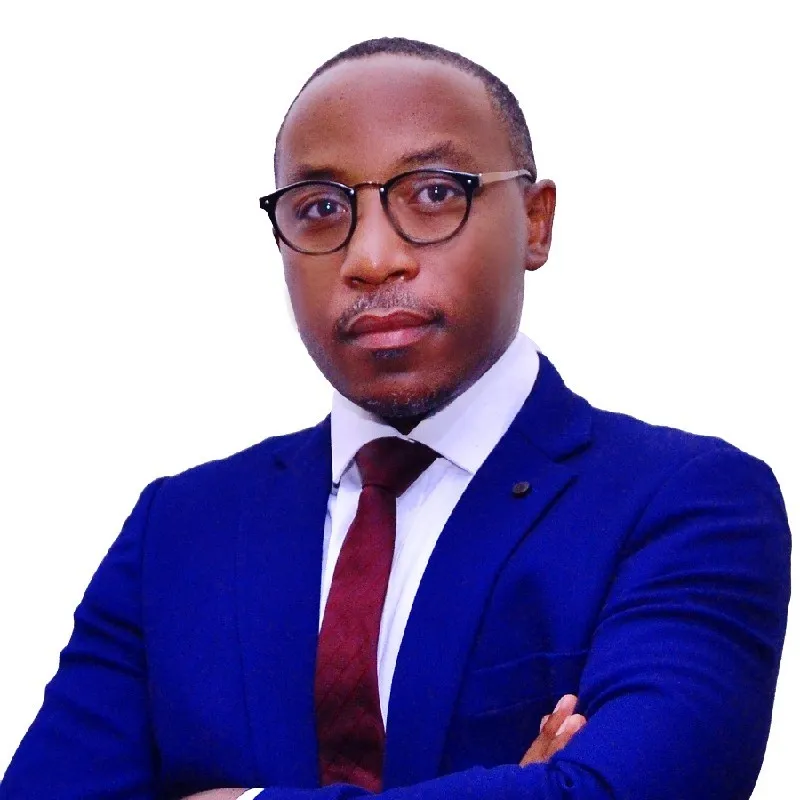
The writer, Max Manzi, is a Chartered Governance Professional and Advocate, currently serving as the Chief Governance and Legal Officer at aBi Finance Ltd, a wholesale impact finance solutions provider, catalysing the transformation of Uganda’s agricultural finance ecosystem.