
The three-day All Africa Pension Summit (AAPS) 2025, which kicked off today at the Speke Resort Munyonyo Conference Center, served as a crucial platform to address Africa’s soaring infrastructure needs and the staggering USD $1.3 trillion annual financing gap, according to the African Development Bank.
With global development finance waning and debt burdens rising, the central theme of the summit was clear: Africa must quickly mobilise the capital that is already within its reach; its pension funds.
The presence of the Prime Minister, Rt. Hon. Robinah (representing President Yoweri K. Museveni), Hon. Betty Amongi, the Minister of Gender, Labour and Social Development, plus several other dignitaries, reaffirmed the continent’s shared commitment to utilising local investment to drive inclusive growth and self-sustainability.

Debt Vs. Domestic Capital
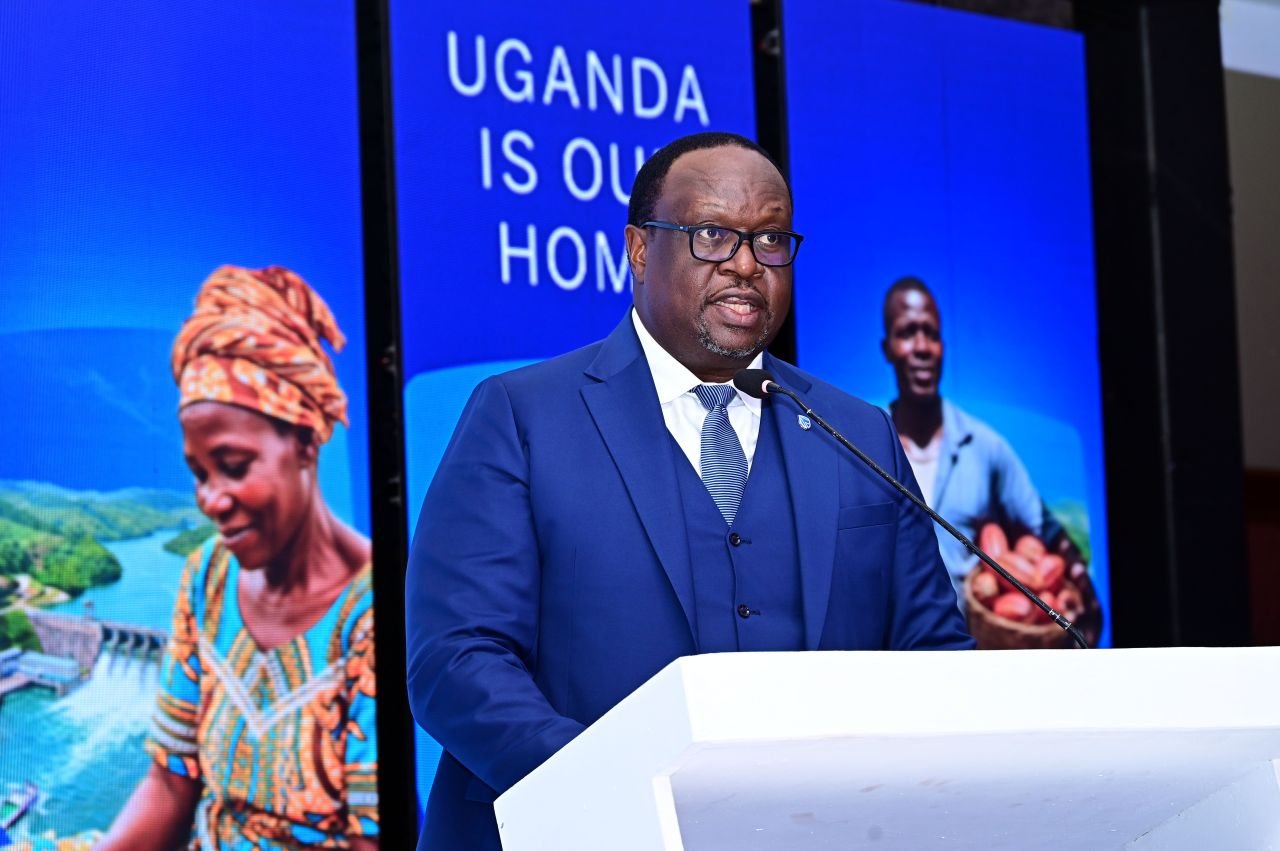
In his opening remarks, Patrick Ayota, the Managing Director of the National Social Security Fund (NSSF), laid bare the continent’s financial dilemma.
He noted that “Africa’s heavy reliance on internal and external borrowing to bridge the financing gap is creating a debilitating debt burden, which limits resources for essential social services and economic development.”
The Cost of Capital Imbalance
Ayota highlighted a deep market imbalance that penalises African economies when it comes to the cost of capital.
He said that despite Africa having one of the lowest global default rates (around 1.4%), the cost of capital across Sub-Saharan Africa remains disproportionately high, averaging between 8 and 9 percent.
Ayota stressed that this contrasts sharply with regions like Asia, which enjoy rates as low as 4 to 5 percent, accelerating their development and investment.
“This difference highlights a deep market imbalance. Despite Africa’s growing creditworthiness, our economies still pay a significant premium to access financing. It’s time we address this structural challenge and build a fairer, more enabling financial landscape for Africa’s development,” Ayota told the gathering.
Pension Funds are Africa’s Perfect Engine
According to Ayota, the solution lies in pension funds themselves. He stressed that pension funds hold “patient capital,” characterised by: Long-term investment horizons, Steady cashflows and Built-in inflation protection.
He observed that this unique combination makes pension funds the perfect engine for Africa’s development, capable of delivering strong financial returns for members while simultaneously creating jobs and powering the continent’s infrastructure future.
The Challenge of Coverage and Investment
While the opportunity is immense, Peter Moyo, Advisory Board Member at Desmos Capital, pointed out two structural obstacles that must be overcome:
The Coverage Crisis
He noted that social security coverage across Africa remains low, with a small proportion of elderly people receiving pensions, despite Africa having the youngest median population globally.
Moyo emphasised that over 80% of the African workforce is in the informal sector.
“We can’t continue to use the traditional employer and employee-based pension schemes. We must ensure that we create pension funds that are flexible enough to cater for this majority,” Moyo pointed out.
He observed that the existential question facing leaders is whether they are “seated on a time bomb or… a huge opportunity.” He chose the latter, stressing the need to bring more African workers into the pension net.
Diversification Imperative
Moyo also noted that most pension funds are currently concentrated in government bonds. He argued that attempts to expand coverage without diversifying these investments means they are merely cutting “smaller pieces from the same cake.”
“We cannot afford to keep cutting smaller pieces from the same cake; we must focus on growing the cake,” he warned.
Building Trust and Mobilising Local Currency
The summit also addressed the need to unlock African private equity and reduce reliance on external capital.
David Owino, the Chairman of East Africa Venture Capital Association (EAVCA), shared a harsh truth, saying, “Private equity funds operating in Africa often receive only 1% of the funds they manage from Africa, with the rest coming from outside. This suggests that there are people who believe in developing Africa more than Africans believe they can develop themselves.”
However, international development finance institutions (DFIs) are starting to show the path forward.
Siongo Kisoso, Head of Regional Office East Africa, Swedfund, spoke about successful local currency investments, noting a recent venture in Zambia alongside the local public pension fund (NABSA) and another European DFI.
Kisoso affirmed that DFIs are increasingly looking at investing in local currencies to be catalytic, aiming to mobilise at least 30% of external capital for every dollar they invest. This partnership model, he noted, is critical for addressing local financing needs, such as the significant demand for SME financing.
Day One of the AAPS 2025 concluded with a strong consensus that the time for relying on external capital to solve Africa’s challenges is over. The continent’s vast, self-sustaining financial power resides within its pension funds, requiring only regulatory reform and innovative investment strategies to be unleashed.