Uganda has no shortage of creative talent. Its musicians, filmmakers, designers, photographers, writers, animators, software developers and digital creators are increasingly producing work that resonates with audiences far beyond the country’s borders. The more important question, however, is whether Uganda can transform that talent into a globally competitive export industry.
This is no longer simply a conversation about arts and culture. It is about trade, jobs, foreign exchange and economic competitiveness.
Globally, the opportunity is already substantial. According to the United Nations Conference on Trade and Development (UNCTAD), exports of creative services reached US$1.4 trillion in 2022, while exports of creative goods totalled US$713 billion. The creative economy today encompasses music, film, fashion, advertising, architecture, publishing, software, gaming, digital media, design and other intellectual-property-based industries that increasingly generate value through ideas rather than physical products.
Digitalisation has fundamentally altered the economics of creativity. For countries like Uganda, geography is becoming less of a competitive disadvantage. A graphic designer in Kampala can serve clients in Toronto, an animator can contribute to productions in Singapore, and a musician can build audiences across Europe and North America without ever leaving home.
Artificial intelligence is accelerating this shift even further. AI-powered tools are reducing production costs, increasing creative productivity and enabling individuals and small studios to compete in global markets that were once accessible only to large firms. In this environment, competitive advantage increasingly depends not only on talent, but also on access to markets, ownership of intellectual property and the ability to commercialise creative work at scale.
Yet Uganda’s commercial infrastructure has not evolved as quickly as its creative talent.
A creator can build an international audience from Kampala, but turning that audience into sustainable export revenue remains unnecessarily difficult. International payment systems remain one of the biggest constraints. Major global platforms such as Stripe do not currently support businesses established in Uganda, making it difficult for many creators and digital entrepreneurs to receive payments for subscriptions, digital products, online courses and professional services.
This may appear to be a technical limitation, but it is, in reality, an export constraint.
For today’s digital economy, payment infrastructure is every bit as important as transport infrastructure was to traditional trade. If Ugandan creators cannot receive payments easily, they are forced to rely on intermediaries, foreign entities or fragmented workarounds that increase costs and reduce competitiveness.
This highlights a broader challenge. Uganda does not simply need more creators; it needs more creative businesses.
The distinction matters. Individual creators generate content. Creative businesses generate employment, intellectual property, tax revenue, investment and export earnings. They build brands, develop products, license content, scale operations and create value that extends well beyond a single personality or platform.
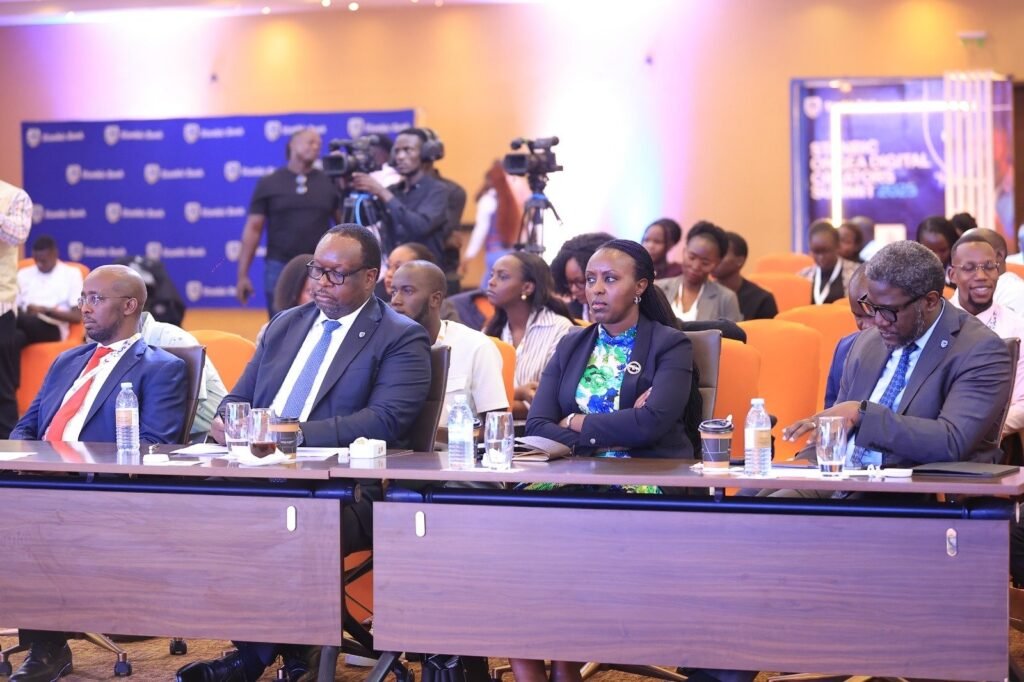
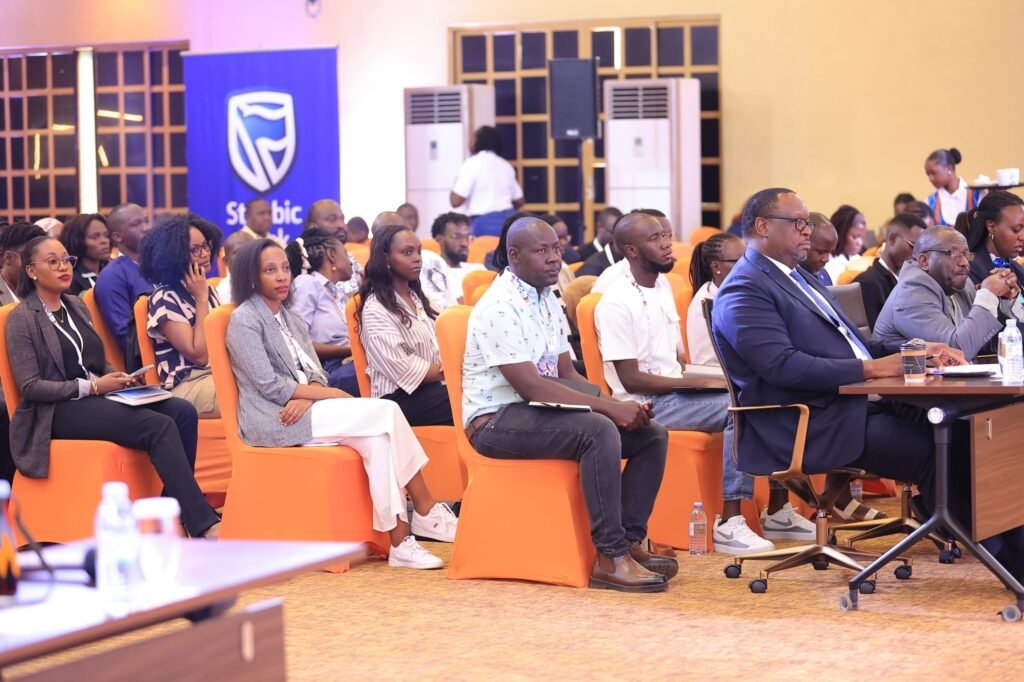
The conversation is beginning to evolve. The Stanbic Ongea Digital Creators Summit, held in Kampala in December 2025, reflected an important shift by focusing not only on content creation but also on helping creators create, connect and commercialise. Bringing together creators, financial institutions, technology partners and policymakers signalled growing recognition that creativity should be viewed as an economic sector rather than simply a cultural activity.
That conversation now needs to move beyond conferences and into national strategy.
Building a competitive creative export economy requires more than celebrating talent. Uganda needs reliable data that measures the sector’s contribution to GDP and exports. It needs stronger intellectual property systems that protect and monetise creative works. It needs financing models designed for businesses whose primary assets are ideas rather than physical collateral. It needs affordable, high-quality digital infrastructure and internationally connected payment systems that enable Ugandan enterprises to sell seamlessly to global customers.
Equally important, policymakers should begin treating the creative economy as part of Uganda’s export strategy. Just as coffee, tourism, manufacturing and ICT contribute to national development, creative industries have the potential to generate foreign exchange, create skilled employment and position Uganda as a regional hub for digital innovation.
The opportunity extends far beyond music. Uganda can build internationally competitive businesses in animation, film production, advertising, gaming, photography, fashion, graphic design, digital publishing, software development and creative technology. Around the world, the greatest economic value increasingly lies not only in manufacturing products, but in owning brands, stories, software, designs and intellectual property.
UNCTAD’s data shows that developing economies are expanding their participation in global creative trade, although developed economies continue to dominate exports of creative services. The gap, therefore, is not one of imagination or talent. It is one of commercial infrastructure, investment and scale.
Uganda has already demonstrated that its creators can capture global attention. The next challenge is ensuring that this attention consistently translates into export earnings, intellectual property, investable businesses and sustainable employment at home.
The objective should not simply be to produce more influencers. It should be to build an economy in which a creator in Kampala can develop a product, secure customers in London or Lagos, receive payment seamlessly, protect their intellectual property, attract investment and reinvest the proceeds into growing a Ugandan enterprise.
Uganda has already proved it can produce world-class creative talent. The next stage of its economic journey is to build world-class creative businesses. Only then will creativity become more than cultural expression. It will become trade.