
Uganda’s trade with China is booming, but almost entirely in one direction. In 2025, Uganda imported $3.3 billion worth of goods from China while exporting just $118 million. That means for every dollar Uganda sold to China, it bought roughly $28 worth of Chinese goods.
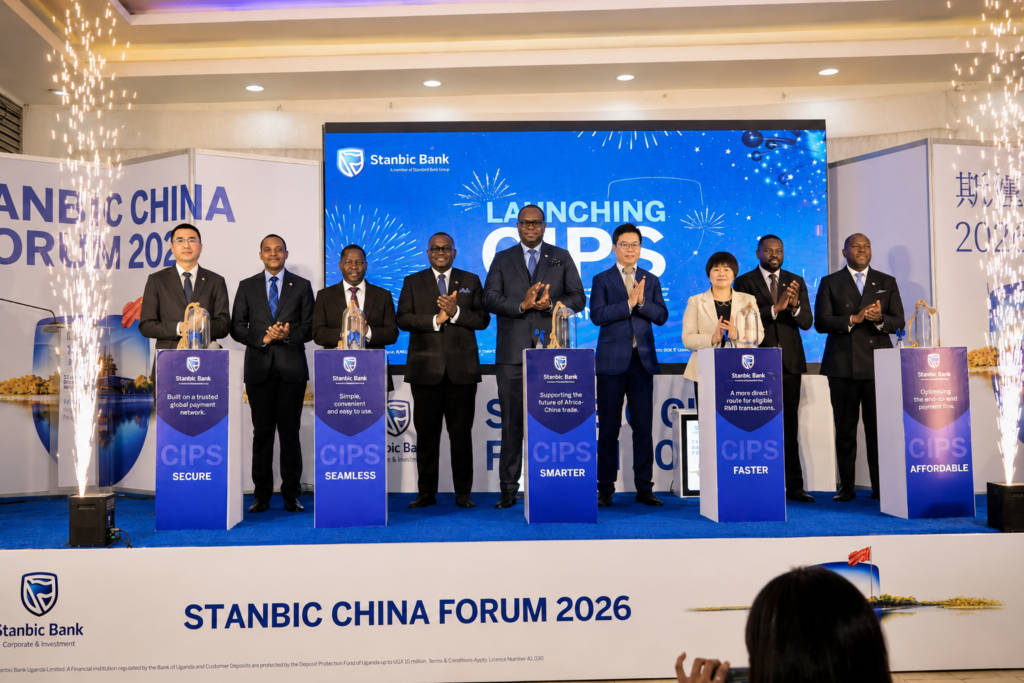
Now, a change in how that trade is paid for could reshape part of the relationship. Stanbic Bank Uganda has become the first financial institution in the country to integrate with China’s Cross-Border Interbank Payment System (CIPS), allowing Ugandan businesses to make direct payments in Chinese yuan rather than relying as heavily on intermediary currencies.
The move could reduce foreign-exchange exposure, transaction costs and settlement times for companies trading with China.
But the bigger question is whether the yuan can do more than make imports easier. Can it help Uganda build a more balanced trade relationship with China?
International trade has long been dominated by the US dollar, even when the transaction involves countries that do not use it domestically. For a Ugandan importer dealing with a Chinese supplier, moving between the shilling, dollar and yuan can expose the transaction to additional exchange-rate movements and conversion costs.
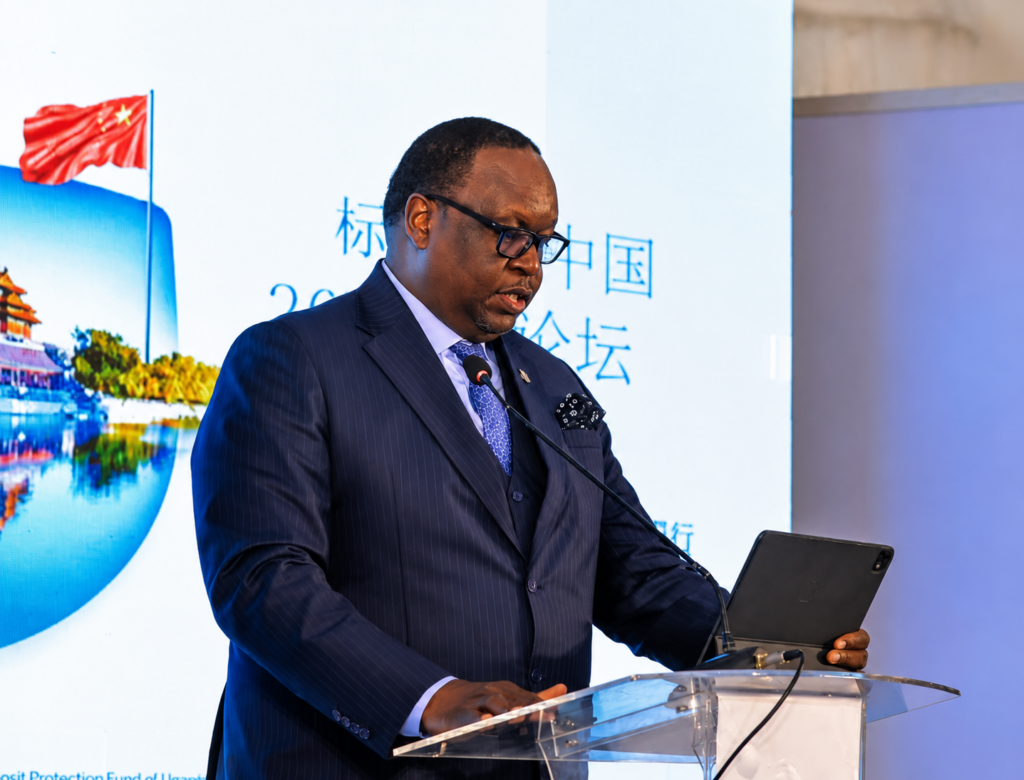
Direct RMB settlement offers another route. Stanbic Uganda CEO Mumba Kalifungwa said CIPS will reduce FX volatility, speed up transactions and strengthen commercial ties with Chinese companies.
The development also reflects China’s growing financial infrastructure. CIPS, launched in 2015, had 176 direct participants and 1,552 indirect participants across 122 countries and regions by August 2025, according to China’s CIPS operator.
The yuan is still far behind the dollar globally, but its role is expanding. In March 2026, it accounted for about 3.1% of global payments, ranking fifth, according to Swift data.
For Uganda, however, this is less about replacing the dollar than using the right currency for the right trading relationship.
Cheaper and faster payments may help Ugandan businesses trade with China, but they cannot solve the country’s much larger problem: Uganda does not sell enough to China.
The nearly $3.2 billion trade gap is evidence of a structural imbalance that cannot be fixed by payment infrastructure alone.
Uganda has products with export potential. Coffee is one example. The country exported about 8.8 million 60-kilogram bags worth $2.4 billion in the year to April 2026, according to the Uganda Investment Authority. China remains a market with considerable room for growth.
This is where CIPS could become more important. If Ugandan exporters can receive RMB directly from Chinese buyers, payment becomes one less barrier to expanding bilateral trade. Stanbic’s partnership with Guomao, which connects Ugandan businesses with one of Beijing’s major trading districts, also seeks to improve sourcing and market access.
But payment infrastructure is only one piece of the puzzle.
As Andrew Mashanda, Standard Bank Group’s Head of Business and Commercial Banking for Africa Regions and Offshore, put it, the next chapter of Africa-China trade should be about manufacturing capacity, value addition and infrastructure, not simply larger trade volumes.
That is the real test for Uganda. China can supply Uganda with machinery, technology and industrial inputs that could help expand local production. But Uganda must also develop products that Chinese consumers and businesses want to buy.
If CIPS simply makes it easier for Ugandan businesses to pay Chinese suppliers, Uganda’s trade deficit may continue to widen.
If it helps Ugandan exporters sell more coffee, processed agricultural products and manufactured goods into China, the impact could be very different.
That is why the yuan does not need to replace the dollar to matter.
Uganda could continue using the dollar where it makes sense while increasingly using RMB for China-related trade. The objective is not dramatic de-dollarisation. It is greater flexibility in how Uganda conducts international commerce.
The ultimate measure of CIPS will therefore not be how many Ugandan companies pay China in yuan.
It will be whether more Chinese companies start paying Uganda. For a country targeting a $500 billion economy by 2040, that distinction could matter far more than the currency used to settle the transaction.