Uganda’s ambition to build a US$500 billion economy by 2040 will depend partly on how effectively it converts its mineral wealth into productive businesses. Yet, beyond the minerals beneath the ground lies another resource with significant economic potential: an estimated 500,000 artisanal and small-scale miners whose access to finance could shape the sector’s future.
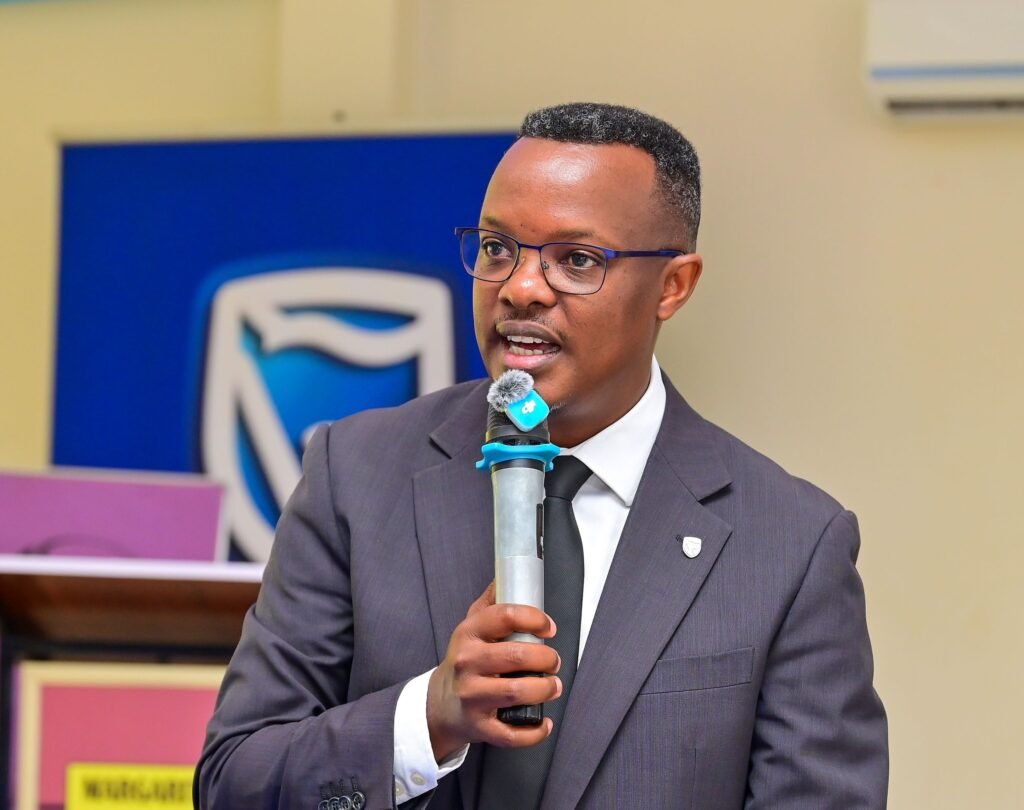
For Pearl Bank’s Chief Treasury and Markets Officer, Yunus Mugula, unlocking this potential requires more than investment in mineral exploration and extraction. It means bringing small-scale miners into the formal economy, connecting them to financial services and helping them develop businesses capable of accessing larger markets.
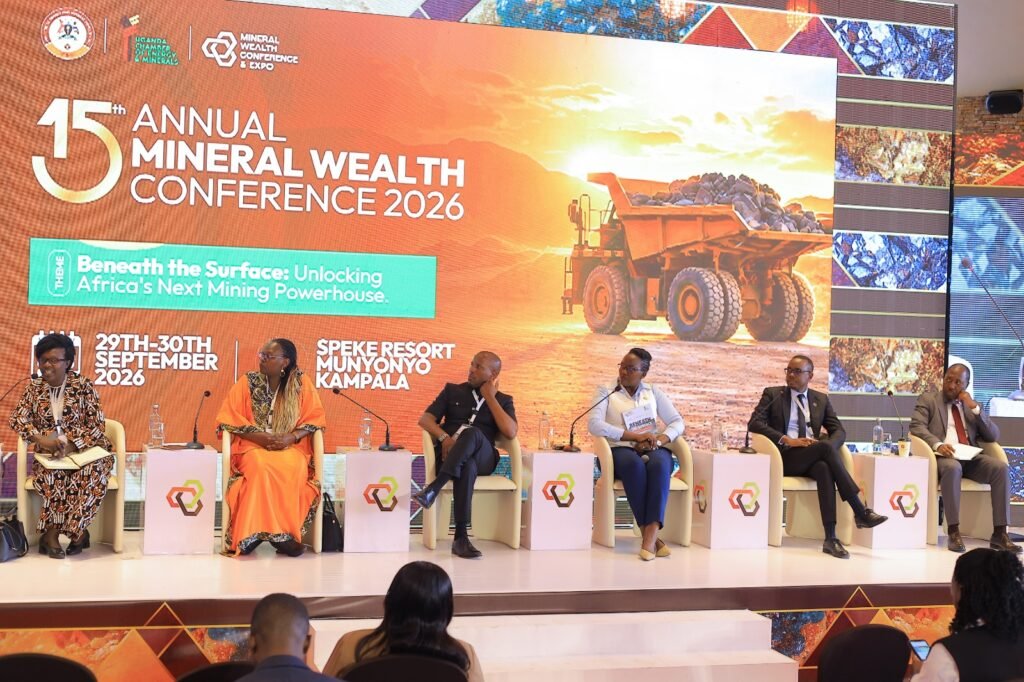
Speaking at the 15th Annual Mineral Wealth Conference in Kampala on September 29, 2026, Mugula called on industry players to recognise the economic contribution of artisanal and small-scale miners and support their transition into licensed and bankable enterprises.
“The challenge is how we support them in formalizing into licensed and bankable enterprises connected to formal markets. That transition is very critical to unlocking immense value in the sector and contributing to socio-economic transformation,” he said.
His remarks highlight a critical question for Uganda’s mining industry: how can the country finance the businesses responsible for extracting its minerals while ensuring that more of the resulting economic value is retained within the formal economy?
Uganda’s mining ambitions are increasingly tied to its broader economic transformation agenda. Mineral development is one of the four pillars of the government’s ATMS strategy, alongside agro-industrialisation, tourism, and science, technology and innovation. The strategy forms part of the country’s ambition to expand economic output tenfold.
However, realising this ambition requires more than discovering commercially viable mineral deposits. Mining businesses need capital to acquire equipment, employ workers, transport minerals and invest in processing facilities. For smaller operators, securing this financing can be particularly difficult.
Many artisanal and small-scale miners operate with limited resources and informal business structures. Without established financial records, adequate collateral or predictable cash flows, they may struggle to meet the requirements of conventional commercial lending.
The challenge also varies across the mining value chain. An operator prospecting for minerals faces different financing risks from an established producer with confirmed deposits and reliable buyers. While exploration may require patient capital and risk-sharing arrangements, an operating mine may need equipment loans and working capital.
For businesses seeking to expand into processing or exports, the requirements become more complex, involving larger investments, contractual obligations and access to international markets.
This creates an opportunity for financial institutions to develop financing solutions that reflect the different stages of mining enterprises rather than treating the sector as a single lending category.
The estimated 500,000 artisanal and small-scale miners represent a substantial opportunity for financial inclusion. However, extending banking services to them requires more than opening accounts. It involves helping mining cooperatives and individual operators develop the financial and business structures needed to participate in the formal economy.
Formalisation can improve access to financial services by giving miners recognised business structures, licensing documentation and more transparent production records. These are important considerations for lenders assessing the viability of potential borrowers.
It can also strengthen relationships between miners, buyers and processors. When transactions are documented and production becomes more predictable, mining enterprises have a clearer basis for demonstrating their commercial potential.
For banks, this creates an opportunity to extend financial services to businesses that have traditionally remained outside conventional lending markets.
Pearl Bank is already engaging with this segment through its Wendi mobile wallet, which provides financial services to artisanal and small-scale mining cooperatives and their members.
The initiative offers an entry point into the formal financial system, while the bank’s wider range of financial products creates opportunities to support enterprises as their operations develop.
However, financial inclusion alone cannot resolve every challenge facing small-scale miners. Access to appropriate equipment, reliable markets, technical expertise and regulatory support will also influence their ability to become sustainable businesses.
Speaking at the conference, Mugula highlighted Pearl Bank’s trade-finance solutions, which include invoice discounting, contract financing, export and import finance, guarantees and letters of credit.
These products are relevant to different stages of business development and can help address some of the financing constraints experienced by mining enterprises.
At the exploration stage, operators often face considerable uncertainty because the commercial viability of mineral deposits has not yet been established. Conventional bank lending may therefore be unsuitable. Seed capital, grants, risk capital and government-supported programmes can help finance early-stage activities.
Once a commercially viable resource has been established, businesses face a different set of requirements. They may need excavators, crushers and processing equipment, as well as funding for site preparation, workers and regulatory compliance. Equipment financing, leasing and asset-backed lending can help meet these investment needs.
As production begins, working capital becomes increasingly important. Miners need to pay workers, purchase inputs, transport minerals and cover operating expenses while waiting for buyers to pay. Short-term credit and production financing can help bridge these gaps.
For enterprises with established buyers and reliable production records, trade finance can provide another route to growth. Invoice discounting, for example, can help businesses access funds against outstanding invoices instead of waiting for payment. Contract financing can support the fulfilment of confirmed orders, while letters of credit and guarantees can facilitate transactions with buyers and suppliers.
These financing instruments can help mining businesses move from selling minerals in informal markets towards participating in more structured supply chains.
For Pearl Bank, the opportunity is to connect financial inclusion with commercial financing, supporting enterprises as they move from basic financial services towards more sophisticated banking relationships.
The financing challenge also extends to Uganda’s ambition to process more of its minerals domestically.
At the conference, Minister of State for Energy and Mineral Development Sidronius Okaasai Opolot reaffirmed the government’s commitment to growing the mineral sector. He encouraged industry players to invest across the value chain, from extraction to value addition, so that Uganda can supply regional and international markets.
This ambition requires investment in processing facilities, machinery, transportation and the infrastructure needed to move minerals from mines to industrial users.
For smaller miners, access to reliable processors and buyers could improve the commercial viability of their operations. However, developing these relationships requires consistent production, quality standards and dependable supply chains.
Financial institutions can contribute by financing businesses involved in extraction, processing and trade. They can also facilitate transactions between producers and buyers through appropriate trade-finance arrangements.
The opportunity is particularly relevant as Uganda seeks to increase the economic contribution of its mineral resources. However, the transition from mineral extraction to domestic value addition will depend on coordinated investment from government, financial institutions and private-sector players.
For Uganda’s artisanal and small-scale miners, becoming bankable is not simply about qualifying for a loan. It involves developing businesses that can demonstrate their commercial viability, manage financial risks and participate in formal markets.
Cooperatives can play an important role in this transition by helping miners organise their activities, maintain records and build relationships with buyers and financial institutions.
Banks, in turn, need to understand the operating realities of small-scale mining and structure financial products around the risks and cash flows of these enterprises.
This is particularly important because mining carries risks that conventional lending models may not adequately address. Uncertain production, fluctuating mineral prices, regulatory requirements and environmental considerations can all affect a business’s ability to repay its loans.
Partnerships between financial institutions, government and development finance organisations could help address some of these challenges through technical assistance, risk-sharing arrangements and targeted financing programmes.
For Pearl Bank, its engagement with mining cooperatives through Wendi and its broader trade-finance offering provide a foundation for supporting businesses at different stages of development.
The bank’s wider ambition, as articulated by Mugula, is to work with government, miners and other stakeholders to help promising enterprises become increasingly formal, safe, productive and bankable.
“Uganda’s 500,000 artisanal and small-scale miners should therefore not be viewed as being on the margins of the mineral economy. They can become an important foundation of it,” he said.
As Uganda pursues its US$500 billion economic ambition, the ability to connect these miners to appropriate financial services and formal markets will be an important part of unlocking the country’s mineral potential. For the banking sector, the opportunity extends beyond financing extraction to helping build a more productive, inclusive and commercially sustainable mining industry.