A Shs42.6 billion dividend payment from Airtel Uganda has added to the income generated by the National Social Security Fund (NSSF), highlighting how the retirement fund is using workers’ savings to acquire stakes in businesses across Uganda’s economy.
The payment, covering the year ended December 2025, brings NSSF’s reported gross dividend earnings from Airtel to Shs82.3 billion since the telecommunications company listed on the Uganda Securities Exchange in 2023.
NSSF invested Shs199 billion in Airtel’s initial public offering (IPO), acquiring more than 4.21 billion shares and a 10.547% stake in the company. The investment has since generated an increasing stream of dividend income, with the Fund receiving Shs8 billion in 2023, Shs31.7 billion in 2024 and Shs42.6 billion in 2025.
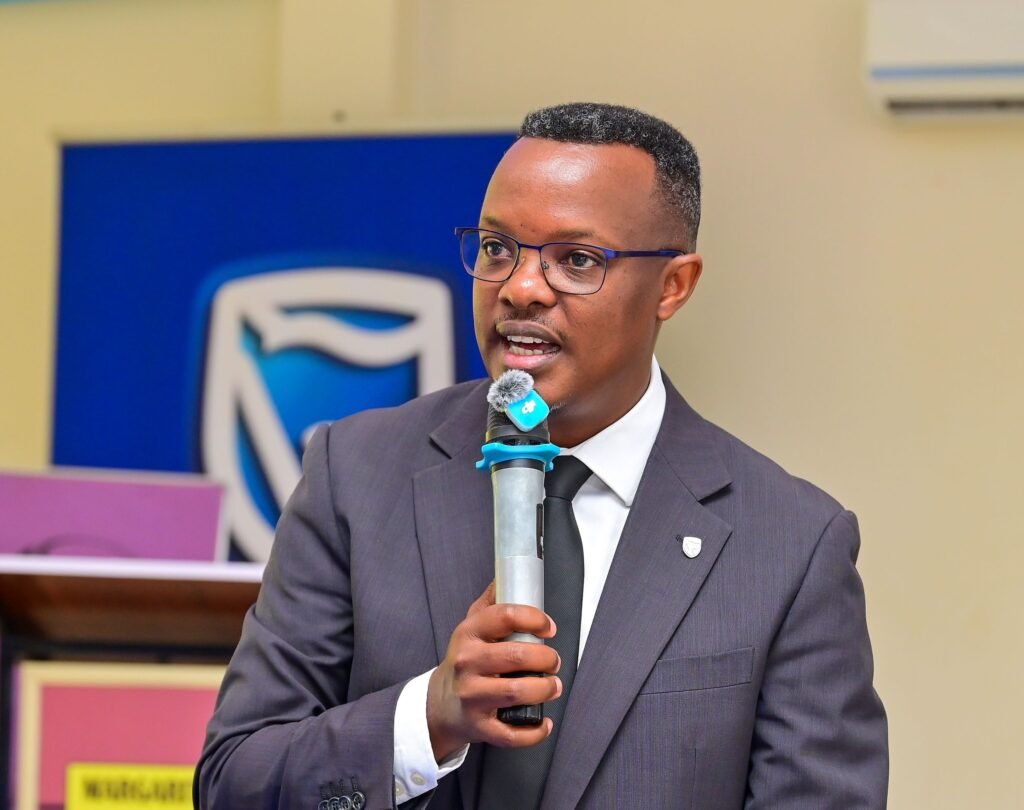
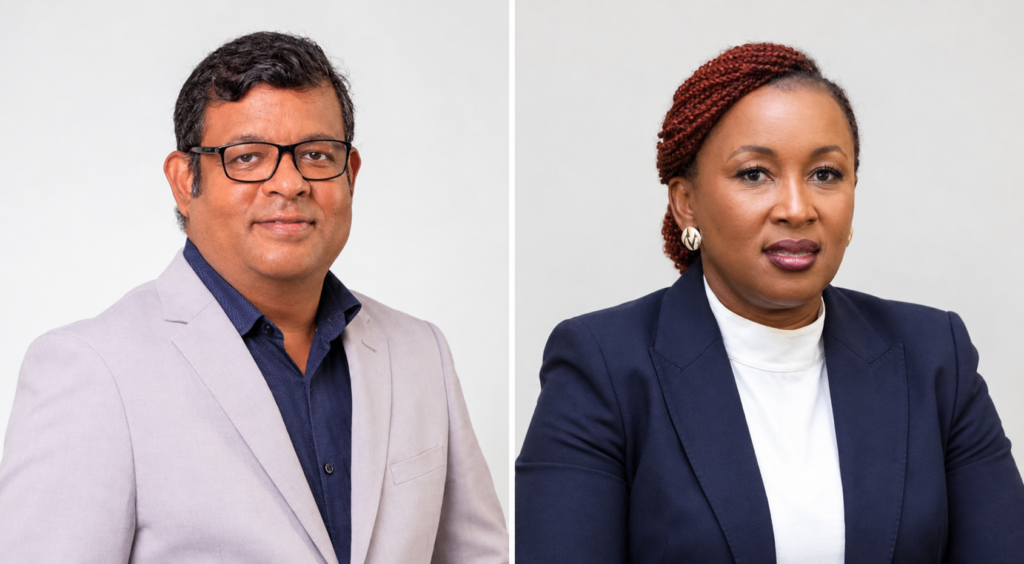
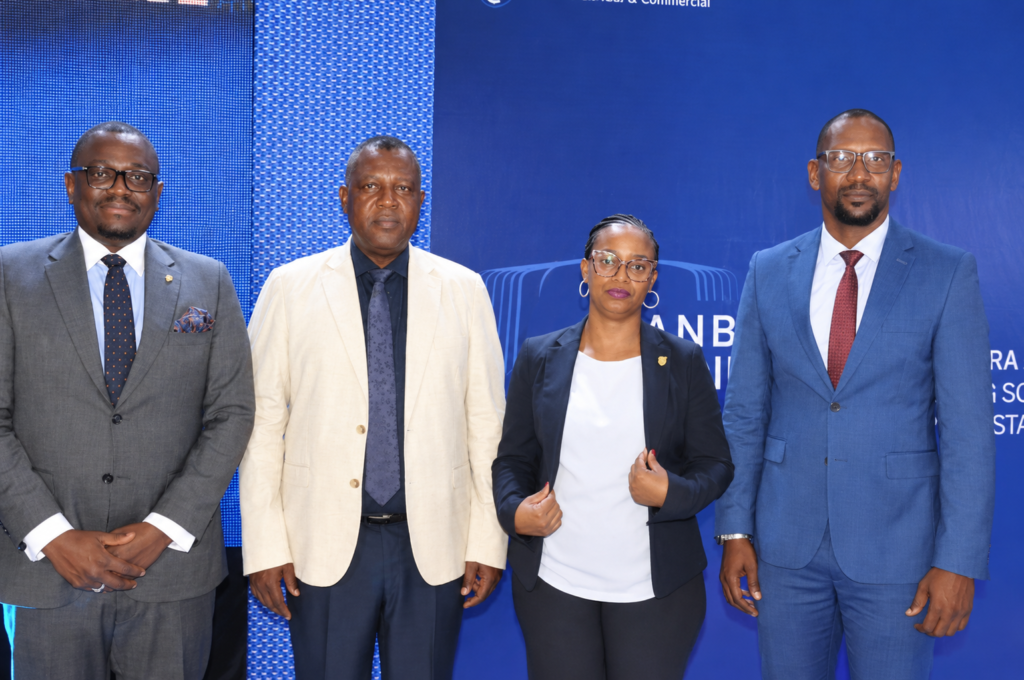
The figures were confirmed by NSSF Managing Director Patrick Ayota during the dividend handover by Airtel Uganda Managing Director Soumendra Sahu in Kampala on September 30, 2026.
The investment illustrates how NSSF is using part of its members’ savings to acquire equity in established businesses, allowing the Fund to earn income when companies distribute profits to shareholders.
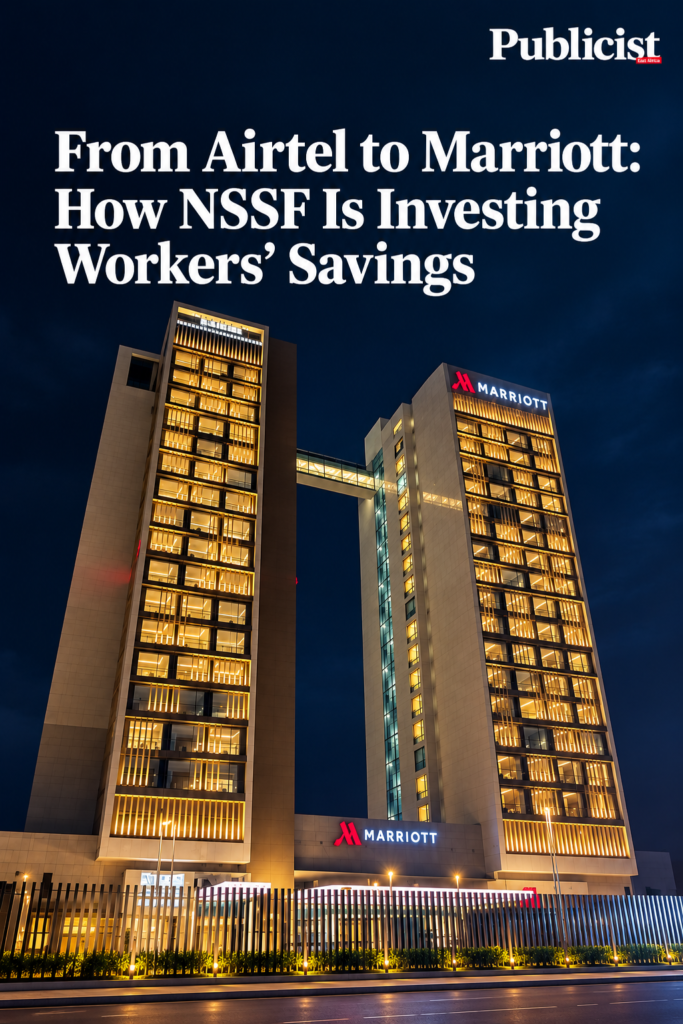
Airtel is, however, only one part of a much larger investment portfolio. NSSF has also extended its investments into hospitality, with a Shs180 billion acquisition of a 30% stake in the Kampala Marriott Hotel and Marriott Executive Apartments, according to reporting by New Vision.
The Marriott investment gives NSSF exposure to Uganda’s hospitality industry, including accommodation, conferences, business travel and tourism. The property, developed by businessman Ponsiano Ngabirano’s Capital Shoppers Group, was officially opened in August 2026.
Unlike Airtel, which has already delivered measurable dividend income, the Marriott investment represents an opportunity for future returns. Its financial performance will depend on factors such as hotel occupancy, room rates, conference bookings, operating expenses and the overall demand for hospitality services.
The Shs180 billion investment therefore represents capital committed to a business whose returns will depend on its ability to generate profits and sustain its value over time. NSSF has not publicly disclosed a specific expected return or investment horizon in the reporting reviewed for this article.
The distinction between the two investments is important. Airtel’s dividends provide an established source of cash income, while Marriott’s contribution to NSSF’s earnings will depend on the financial performance of the hospitality business and any distributions made to its shareholders.
Despite its investments in telecommunications and hospitality, NSSF’s returns are not primarily dependent on individual companies. The Fund maintains a diversified portfolio, with fixed-income securities accounting for the largest share of its investments.
According to NSSF’s 2026 Integrated Report, fixed-income investments accounted for approximately 76% of its Shs32.87 trillion in assets at the end of June 2026. Equities represented about 18.4%, while real estate accounted for approximately 5.1%.
Government securities are particularly important because they provide regular interest payments, helping the Fund generate income while managing the risks associated with fluctuations in financial markets.
In the financial year ended June 2026, NSSF reported total investment income of Shs6.51 trillion, an 85% increase from the previous financial year. Of this amount, Shs3.88 trillion was realised income, including approximately Shs3.49 trillion in bond interest, Shs369 billion in dividends and Shs16 billion from real estate.
The remaining Shs2.62 trillion consisted largely of unrealised gains from assets that had increased in value but had not been sold. These gains contributed to the Fund’s reported financial performance but were not cash income received during the year.
The figures demonstrate the different roles played by NSSF’s investments. Bonds provide regular interest income, listed equities generate dividends and can appreciate in value, while property investments offer potential rental income and long-term capital appreciation.
The performance of these investments ultimately contributes to the interest NSSF credits to members’ accounts.
For the financial year ended June 2026, the Fund declared an interest rate of 22.53%, translating into Shs5.44 trillion credited to members’ savings. This was the highest rate in the Fund’s 40-year history, compared with 13.5% in the previous financial year.
However, the interest rate cannot be attributed to Airtel, Marriott or any other individual investment. It reflects the performance of the entire portfolio, including interest earned on fixed-income securities, dividends, property income and gains from investments.
For NSSF, the challenge is to sustain investment income while balancing the risks associated with different asset classes. Investments in listed companies expose the Fund to movements in share prices and corporate performance, while hospitality investments depend on the profitability of businesses operating in a competitive industry.
The Marriott investment also places workers’ savings in a business whose returns will take time to establish. Its contribution to the Fund will depend on its ability to generate sustainable earnings and deliver value to shareholders.
As NSSF pursues its Vision 2035 ambitions, investments such as Airtel and Marriott illustrate its approach to deploying members’ savings across different sectors of the economy.
For members, the ultimate measure of these investments will be their contribution to the Fund’s long-term financial performance and its ability to continue crediting returns to their retirement savings.