Northern Uganda is looking beyond wildlife tourism to explore another source of economic activity: turning its farms, food traditions and cultural heritage into tourism experiences that visitors can pay for.
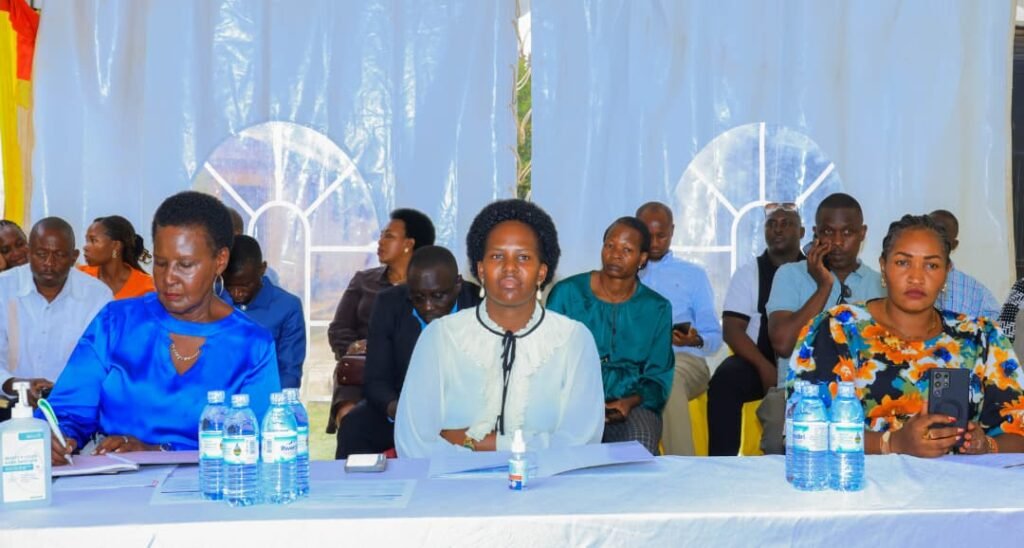
The proposition took shape on September 25, 2026, when the Northern Uganda Farm Festival was launched at Tegot Farmstead in Gulu District. Scheduled for December 11–12, the festival aims to bring together farmers, agripreneurs, cultural practitioners, businesses and investors to showcase the region’s agricultural and cultural potential.
For organisers, the ambition extends beyond hosting an agricultural exhibition. It is about connecting farming, tourism and enterprise while creating opportunities for communities to earn from resources they already possess.
Beatrice Mao, founder of the festival, says the event will combine agricultural exhibitions, farm experiences, cultural showcases, food, music and business networking. It will also provide a platform to discuss challenges facing farmers and entrepreneurs, including limited market access, technology gaps and the commercialisation of cultural heritage.
Speaking at the launch, Mao emphasised the need to connect the region’s agricultural and cultural strengths with opportunities for investment and enterprise.
The festival’s theme, Kodi Pa Lyec – Seeds of Greatness, reflects this ambition to bring together agriculture, culture and business.
The commercial proposition behind agro-cultural tourism is relatively straightforward: farms can generate income from visitors in addition to producing agricultural commodities.
At Tegot Farmstead, the festival’s launch venue, agriculture provides the setting for an event that will bring together farm experiences, exhibitions, cultural performances and business discussions.
The December festival is expected to feature farm tours, nature trails, traditional food, dance, art and craft exhibitions, and live music. It will also provide opportunities for farmers, cooperatives, businesses and investors to interact.
These activities offer a glimpse of how agriculture and culture could become tourism products in Northern Uganda.
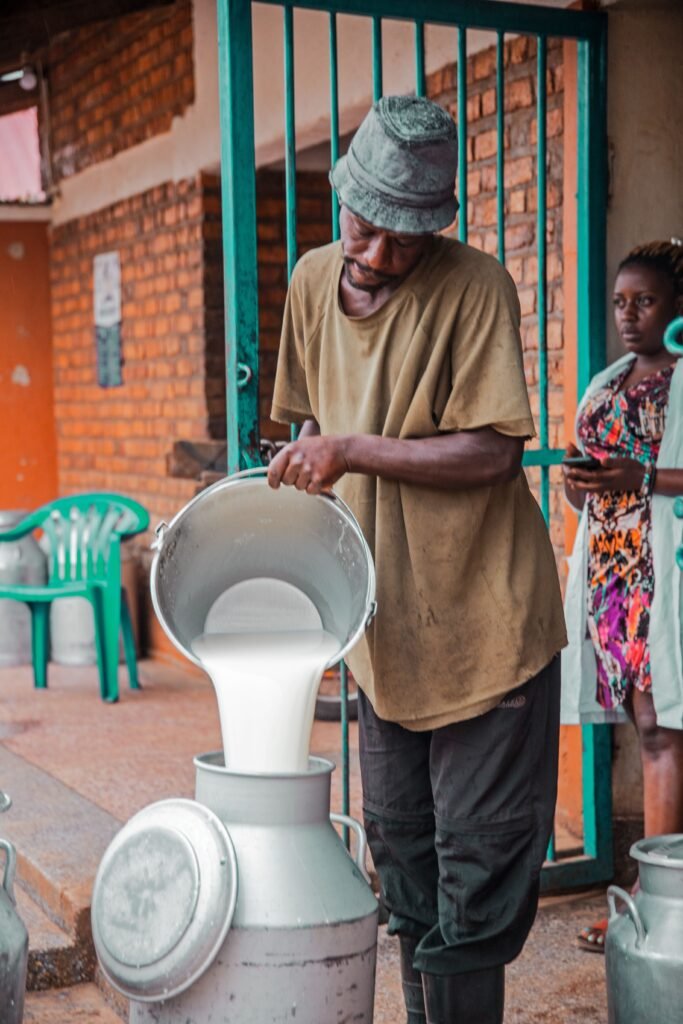
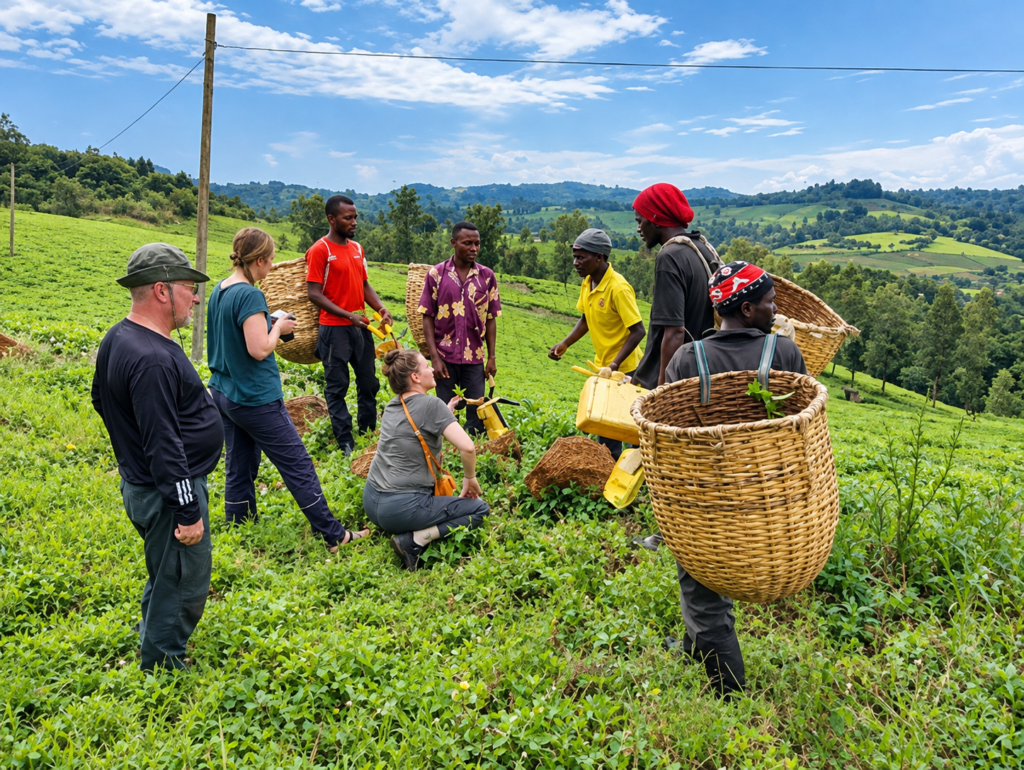
A farm visit, for instance, can become more than an opportunity to observe agricultural production. It can offer visitors an experience of local farming practices, food preparation and the cultural traditions associated with particular crops.
For farmers, the potential lies in earning from both agricultural production and visitor experiences. Food producers could sell directly to visitors, while farms with suitable facilities could eventually develop organised tours and other visitor services.
However, the festival’s planned activities should not be confused with an established year-round tourism business. Whether individual experiences will be available for regular booking, and what visitors will pay, remain important questions for the organisers and participating businesses.
Northern Uganda has a distinctive combination of agricultural resources and cultural traditions that could support a broader tourism offering.
The region’s Acholi, Lango, West Nile and Karamoja communities have diverse food traditions, music, dance, crafts and indigenous knowledge. These provide potential foundations for tourism experiences that differ from conventional wildlife safaris.
The opportunity is to turn these cultural assets into organised products that visitors can discover, book and pay for.
David Pulkol, principal adviser to the Chief Coordinator of Operation Wealth Creation, General Salim Saleh, has called for Uganda’s tourism industry to look beyond its traditional focus on international visitors and wildlife attractions.
At the Northern Uganda Farm Festival launch, stakeholders highlighted the potential of agro-cultural tourism to expand domestic tourism and create additional income opportunities.
For local businesses, the commercial opportunities could extend beyond admission fees and farm visits. Food vendors, accommodation providers, transport operators, guides and craft producers could all benefit from increased visitor spending.
The challenge is to establish business models that allow these activities to generate consistent revenue rather than depend exclusively on occasional festivals.
Uganda’s tourism sector provides a growing market in which Northern Uganda could position its emerging products. According to the Ministry of Tourism, Wildlife and Antiquities, the country recorded 1,642,215 international tourist arrivals in 2025, an increase of 19.7% from the previous year. Tourism receipts reached Shs5.83 trillion, equivalent to approximately $1.62 billion.
The ministry also reported 3.27 million domestic tourism participants in 2025. These figures indicate the scale of Uganda’s tourism economy, although they do not establish how much demand currently exists for farm-based tourism in Northern Uganda.
For the region, domestic visitors could provide an important initial market. Families, schools, businesses and organised groups could visit farms and cultural attractions without relying entirely on international tour operators.
The December festival offers an opportunity to introduce these experiences to potential visitors and business partners. Its longer-term value will depend on whether it can encourage repeat visits and stimulate demand for attractions beyond the festival itself.
One of the biggest challenges facing agro-cultural tourism is converting visitor interest into sustainable businesses. A successful festival can attract visitors and generate attention, but maintaining that interest throughout the year requires investment in facilities, marketing and reliable services. Farm attractions need accessible roads, sanitation, water, electricity and clear signage. Businesses also need ways to communicate their offerings, manage bookings and provide visitors with consistent experiences.
Accommodation is another consideration. Visitors who stay overnight can generate additional spending on meals, transport and other services. Small lodges, guesthouses and farm stays could therefore complement agricultural and cultural attractions where there is sufficient demand.
The Uganda Investment Authority already identifies agro-tourism, cultural tourism and digital tourism services among the country’s investment opportunities. This provides a broader policy and investment context for the festival’s ambitions.
However, investment alone will not guarantee commercial success. Businesses will need to understand visitor preferences, price their experiences appropriately and manage operating costs.
The festival could help bring together the farmers, investors and tourism operators needed to develop these services. Whether those partnerships result in viable businesses will become clearer as the initiative progresses.
The economic case for agro-cultural tourism will ultimately depend on how much income remains within local communities. Farmers and cultural practitioners are central to the experiences being promoted. Their participation in planning, ownership and revenue-sharing arrangements will therefore be important.
If tourism operators sell experiences built around local food, cultural performances and traditional knowledge, the people providing those experiences need to receive a fair share of the proceeds.
Community-owned attractions, locally operated accommodation and direct sales of agricultural products could provide ways for residents to participate in the tourism value chain.
The sector could also create opportunities for young people in hospitality, guiding, food services, event management and digital marketing.
These benefits are potential outcomes, however, rather than guaranteed results. They will depend on the number of visitors attracted, the businesses established and the extent to which local people participate in the commercial activities.
The Northern Uganda Farm Festival offers a practical starting point for exploring whether agriculture and cultural heritage can support a more diversified tourism economy.
Its December programme will bring together exhibitions, farm experiences, food, music, cultural showcases and business networking. These activities could help introduce visitors and investors to attractions that have received less attention than the region’s established wildlife destinations.
But the real test will come after the festival. Can participating farmers turn their farms into attractions that visitors regularly pay to experience? Can cultural practitioners develop sustainable businesses around their traditions? And can local entrepreneurs establish services that encourage visitors to spend more time and money in the region?
The answers will determine whether agro-cultural tourism becomes a lasting source of income or remains primarily a festival concept.
Northern Uganda does not need to replicate the wildlife tourism model to expand its tourism economy. Its agricultural resources, food traditions and cultural heritage offer a different proposition. The opportunity now is to turn those assets into accessible, professionally managed and commercially sustainable experiences, with local communities participating in the income they generate.