
Uganda’s tourism industry is growing rapidly. International visitor arrivals reached 1.64 million in 2025, a 19.7% increase from 1.37 million in 2024. Tourism receipts rose by 21.3% to Shs5.83 trillion, equivalent to approximately $1.62 billion, according to the Ministry of Tourism, Wildlife and Antiquities.
The figures point to a sector recovering strongly and generating substantial economic activity. But behind the growing visitor numbers and rising revenues is a business question that deserves greater attention: How much of Uganda’s tourism spending reaches locally owned businesses, farmers and entrepreneurs?
Tourism creates opportunities well beyond hotels and tour operators. Every visitor generates potential demand for transport, food, accommodation, entertainment, crafts and other services. For Ugandan businesses, this represents an expanding market. However, the extent to which they benefit depends on their ability to participate in the industry’s supply chains.
The Ministry’s 2025 tourism statistics show that the sector generated 876,512 direct jobs in 2024, equivalent to 7.5% of total employment. Meanwhile, the 2025 tourism performance figures show that domestic tourism participation reached 3.27 million Ugandans, creating another market for businesses serving local travellers.
Together, these developments point to an industry with growing economic significance. The opportunity now extends beyond attracting visitors to building stronger connections between tourism and the rest of Uganda’s economy.
Investment in tourism infrastructure is expanding as Uganda seeks to accommodate more visitors and improve the quality of its tourism offerings.
The 2025 Tourism Industry Performance Report indicates that hotels and accommodation accounted for 41% of tourism-related investment. Transport services attracted 24.8%, while tourism infrastructure accounted for 22.3%.
The concentration of investment in accommodation and supporting infrastructure reflects the capital-intensive nature of tourism. Hotels require substantial spending on buildings, furnishings, utilities and other facilities. Transport operators need vehicles, while attractions require infrastructure to accommodate visitors.
Government incentives are also intended to attract more capital. Under the FY2026/27 budget measures, investors developing qualifying high-end hotels and ultra-luxury tourism facilities can access tax holidays, subject to investment thresholds of $10 million for foreign investors and $5 million for Ugandan investors.
These incentives could expand accommodation capacity and improve tourism infrastructure. However, the economic benefits of new investment also depend on how tourism businesses engage with domestic suppliers and service providers.
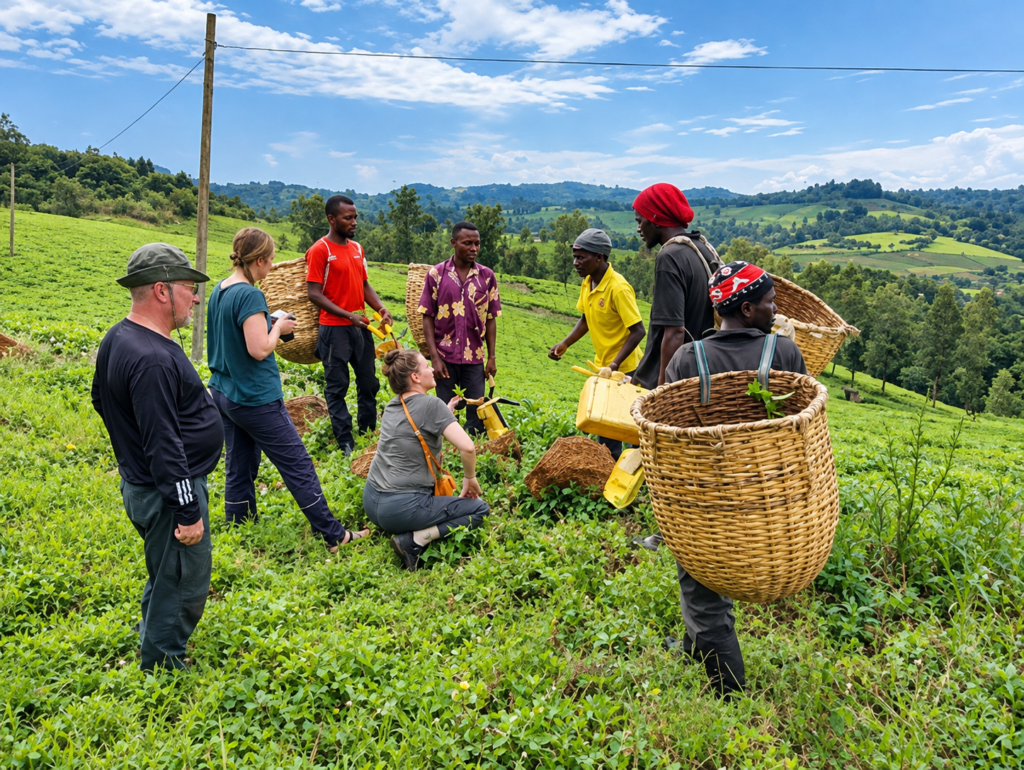
A hotel, for example, can create business opportunities for Ugandan farmers supplying fresh produce, dairy products, meat and coffee. It can also generate demand for local laundry services, furniture manufacturers, transport companies and maintenance contractors.
For these relationships to develop, local suppliers must be able to meet the industry’s commercial requirements. Consistent quality, reliable volumes, competitive prices and timely delivery are essential.
This creates an opportunity to connect tourism with agriculture and manufacturing, allowing businesses outside the traditional hospitality sector to participate in tourism’s expansion.
While large investors can finance major tourism developments, smaller enterprises often face different constraints.
A locally owned hotel needs capital to expand its rooms, improve facilities and maintain reliable electricity and water supplies. A tour operator may need additional vehicles to serve more visitors, while a community tourism enterprise may require investment in accommodation, sanitation and visitor facilities.
Access to affordable financing can determine whether these businesses are able to expand alongside the wider industry.
The European Union-backed Sustainable Tourism Value Chain Initiative, launched in 2026, is one intervention addressing these challenges. The €15.5 million programme, implemented by Enabel, the United Nations Capital Development Fund, UNESCO and the United Nations Development Programme, aims to strengthen tourism value chains and create opportunities for small businesses.
The initiative focuses on challenges including access to finance, high borrowing costs, fragmented value chains and limited investment readiness among micro, small and medium-sized enterprises.
Its importance lies in recognising that tourism development involves more than constructing hotels and attracting international visitors. Smaller businesses also need financing, skills, market access and connections to larger players in the industry.
If effectively implemented, such interventions could help local enterprises improve their operations and compete for business generated by tourism.
International visitors remain an important source of tourism revenue, but domestic tourism is also expanding.
Uganda recorded 3.27 million domestic tourism participants in 2025, according to the Ministry of Tourism. The growth creates opportunities for businesses that serve Ugandans travelling within the country.
Domestic travellers may visit national parks, cultural sites, lakeside destinations and other attractions. Their spending supports accommodation providers, restaurants, transport operators, tour guides and craft businesses.
For locally owned enterprises, this market offers opportunities beyond the international luxury tourism segment. Businesses can develop affordable accommodation, transport and recreational experiences designed around the needs of Ugandan travellers.
Domestic tourism can also help businesses diversify their customer base. Enterprises that serve both international and local visitors have opportunities to generate revenue from different markets.
However, realising this potential requires accessible destinations, reliable infrastructure and tourism products that appeal to different income groups.
Tourism businesses depend on more than visitor demand. Roads, electricity, water, sanitation and internet connectivity influence their ability to operate and attract customers.
The Ministry of Tourism has identified inadequate infrastructure in tourism zones, limited internet connectivity and unreliable electricity access among the challenges facing the sector.
Government allocated Shs430 billion directly to tourism in the FY2025/26 budget, alongside approximately Shs2.2 trillion in cross-sectoral investments supporting tourism through roads, information and communication technology, infrastructure for AFCON and security.
These investments have implications for businesses operating in and around tourism destinations. Improved roads can reduce transport costs and make attractions more accessible. Reliable electricity and internet connectivity can help accommodation providers, restaurants and tour operators improve their services and reach customers.
For businesses in remote tourism destinations, infrastructure can determine whether they can operate competitively and benefit from growing visitor numbers.
Uganda has made measurable progress in attracting international visitors and increasing tourism receipts. The next stage of development involves understanding how much economic activity these gains generate across the domestic economy.
Visitor arrivals and tourism receipts indicate the industry’s overall performance. However, they do not independently establish how much revenue reaches Ugandan-owned businesses or how much tourism spending remains within the country.
That requires closer attention to local procurement, domestic ownership, employment opportunities, business participation and the relationships between tourism enterprises and other sectors.
For instance, the proportion of hotel food purchases sourced from Ugandan farmers would help demonstrate the connection between tourism and agriculture. Similarly, tracking contracts awarded to locally owned transport companies and other service providers would offer insight into how tourism investment supports domestic businesses.
Such information would help policymakers and industry players identify where local enterprises are participating and where opportunities for stronger commercial partnerships exist.
Uganda’s tourism industry has demonstrated its ability to attract visitors, generate foreign exchange and draw investment. Its growing domestic market also offers businesses additional opportunities.
The next phase of growth will depend partly on how effectively the industry connects these opportunities to Ugandan entrepreneurs, farmers, manufacturers and service providers.
For tourism to develop into a broader domestic business ecosystem, growth must be measured not only by the number of visitors and the revenue they generate, but also by the commercial opportunities created for businesses across the country.