
A dark shadow of disease control is being cast over livestock farmers in Western Uganda ahead of this year’s festive season following an outbreak of anthrax in the region. The Ministry of Agriculture, Animal Industry and Fisheries (MAAIF) has activated an emergency response to a suspected anthrax outbreak in Rwambu Parish, Ibanda District, a move that immediately imposes quarantine restrictions and fundamentally alters the market landscape as the festive season approaches.
With seven cattle already dead and four individuals contracting the disease, which is a dangerous zoonotic infection caused by the persistent Bacillus anthracis spore, the MAAIF’s decisive action, issued in a statement this week, is a critical public health measure, but one that carries significant economic weight for the agricultural community.
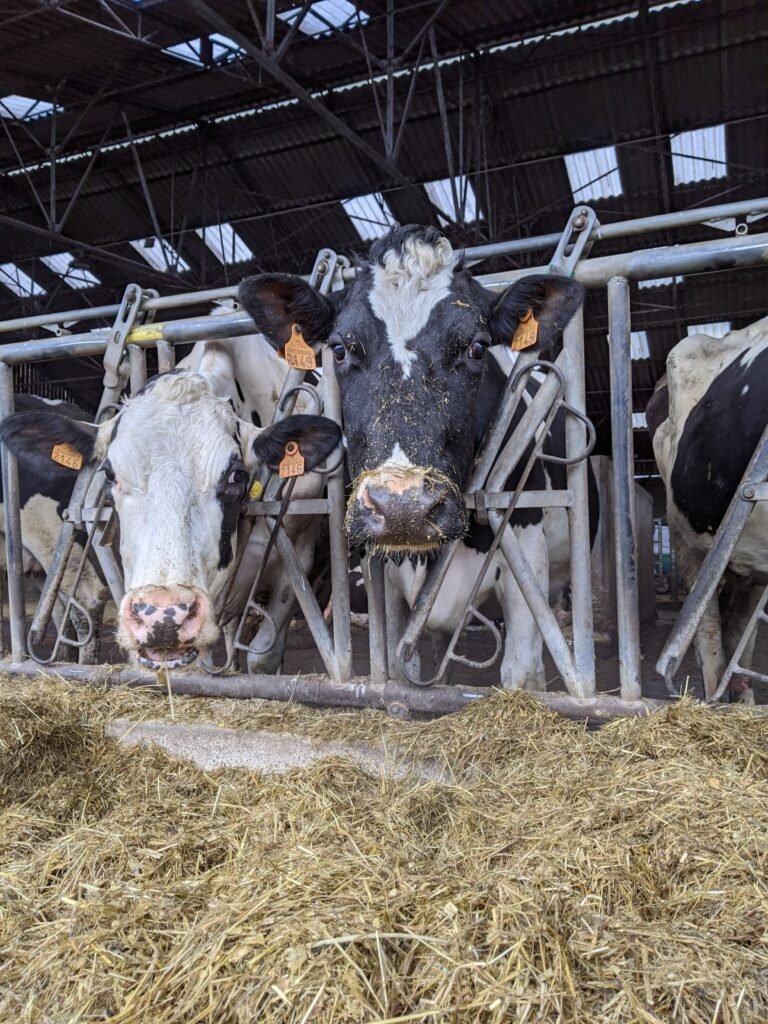
The primary impact on livestock farmers stems from the quarantine restrictions imposed in Kijongo Sub-County. As a highly contagious disease, anthrax control relies on eliminating the movement of animals and their products to prevent the spores from spreading to new areas.
For Ibanda’s Farmers, this quarantine comes with several challenges, some of which include:
Lost Festive Income
The holiday season, particularly Christmas and New Year, is the peak revenue period for cattle farmers and traders. The quarantine effectively locks farmers out of their most profitable market window. Livestock that would have been sold for slaughter or traded at markets in November and December are now restricted, causing a devastating financial loss.
Increased Holding Costs
Farmers must now retain and feed their market-ready animals for an indefinite period. This increases overhead costs (feeds, water, labour) while simultaneously eliminating their expected cash flow, thus creating a severe liquidity crisis.
Dairy and By-Product Ban
Although the advisory focuses on meat, anthrax control often extends to banning the movement and sale of all animal products from the affected zone, including milk, hides, and ghee. This wipes out a crucial daily income stream for dairy farmers.
Decline in Local Prices (Inside the Quarantine)
While meat prices often soar in urban centers due to scarcity, farmers stuck inside the quarantined sub-county may face a collapse in local livestock values as authorised buyers pull out, and desperate farmers seek to sell at any price.
“The quarantine is a necessary evil to save lives and the national herd, but for a farmer who relies on the Christmas market to pay school fees and manage debt, it is financially crippling,” a District Veterinary Officer, who requested anonymity, noted.
Impact on Meat Supply and Consumer Prices
The Ibanda outbreak, coupled with similar, although sporadic, outbreaks often seen in the ‘cattle corridor’, introduces a significant supply shock to the national meat market just as consumer demand peaks.
This means that meat sellers will encounter various challenges in their business, which include but aren’t limited to;
Scarcity and Price Hikes
With a key cattle-rearing district restricted, the overall supply of certified beef reaching major urban abattoirs (like Kampala’s) is reduced. Previous outbreaks in other regions have demonstrated that such quarantines cause a surge in the price of beef, mutton, and even substitute proteins like chicken and pork, placing a financial burden on millions of households planning festive season meals.
Pressure on Certified Meat Sources
Only meat purchased from certified slaughter facilities under veterinary supervision is safe. This creates an even greater bottleneck at licensed abattoirs, driving up their costs and subsequently, consumer retail prices.
The Public Health-Market Conflict
Anthrax is one of the most serious zoonotic threats because the risk to human life is directly tied to market practices. The MAAIF advisory thus underscores the dangers inherent in poor animal health management as follows:
Illegal Meat Trade
The greatest threat to the control effort is the temptation for desperate farmers or unscrupulous traders to engage in the illegal butchering and sale of meat from dead or sick animals. This practice, driven by the desire to recover some of the lost asset value, is the primary way anthrax spreads to humans (four already affected in Ibanda) and contaminates the environment with long-lasting spores.
Carcass Disposal is Critical
The MAAIF’s emphasis on the supervised disposal of dead animals and refraining from carelessly opening carcasses is the single most important control measure. Farmers must understand that a contaminated carcass is not a lost asset to be salvaged, but a serious biohazard to be neutralised.
Cooperation and Proactive Health
The MAAIF’s response is comprehensive, including emergency and ring vaccination, intensive community sensitisation, and strict movement control. The path back to stability relies heavily on the full cooperation of the farmers by:
Immediate Reporting: Farmers must immediately report sudden animal deaths to their District Veterinary Officers, resisting the urge to salvage, slaughter or sell the carcass.
Vaccination Compliance: Full cooperation with the ongoing ring vaccination program is essential to build herd immunity and lift the quarantine swiftly.
Seeking Support: Local leaders and farmer SACCOs should lobby for government or donor support to provide relief feed and veterinary credit to help quarantined farmers manage holding costs until the ban is lifted, potentially minimising the incentive for illegal practices.
As Ugandans look forward to the celebrations, the Ibanda anthrax outbreak serves as a stark reminder of the interconnection between public health, animal welfare, and economic stability in the critical cattle corridor.
As such, only through strict compliance can the farming community mitigate the disaster and ensure a healthier, more secure festive season for all.