The Bank of Uganda did not wait for its next scheduled meeting.
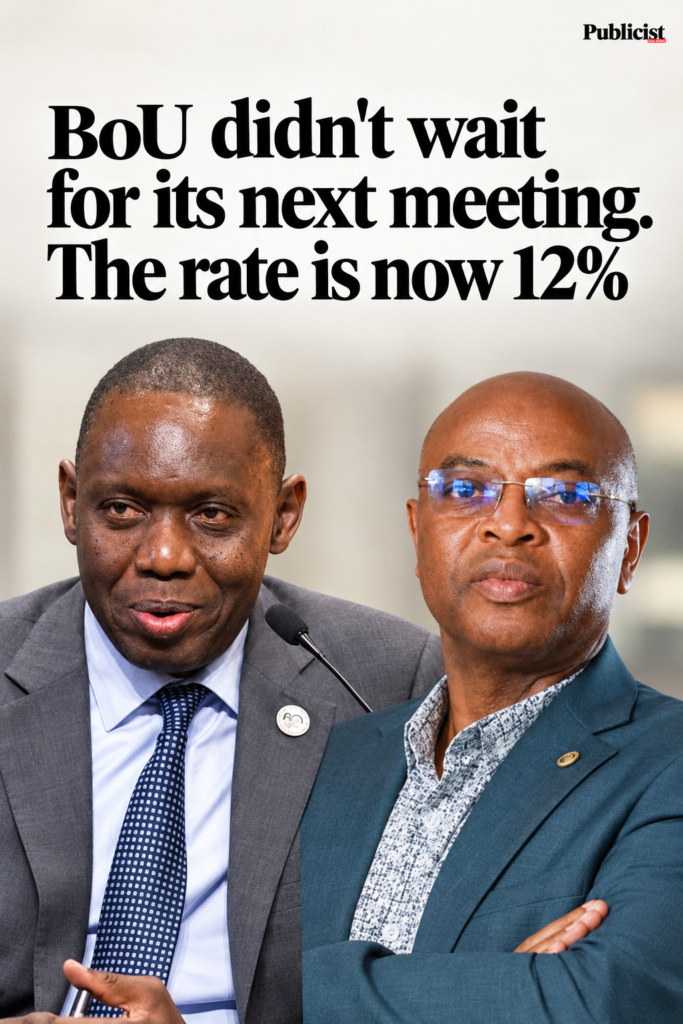
At a special Monetary Policy Committee sitting on Wednesday, the central bank raised the Central Bank Rate (CBR) by 225 basis points, from 9.75% to 12%. The benchmark had been held unchanged at eight consecutive meetings. Three weeks earlier, the Bank had already raised the Cash Reserve Requirement for commercial banks from 11% to 13.5%.
Together, the two moves leave little room for doubt. The central bank intends to make money more expensive, and it wants markets to know it.
What worries the Bank is not today’s inflation. Headline inflation rose to 4.6% in September from 4.1% in August, but that is still below the 5% medium term target. The concern is the next twelve months. The Bank now expects headline inflation to average between 7.0% and 7.5% over that period, and core inflation between 5.5% and 6.0%.
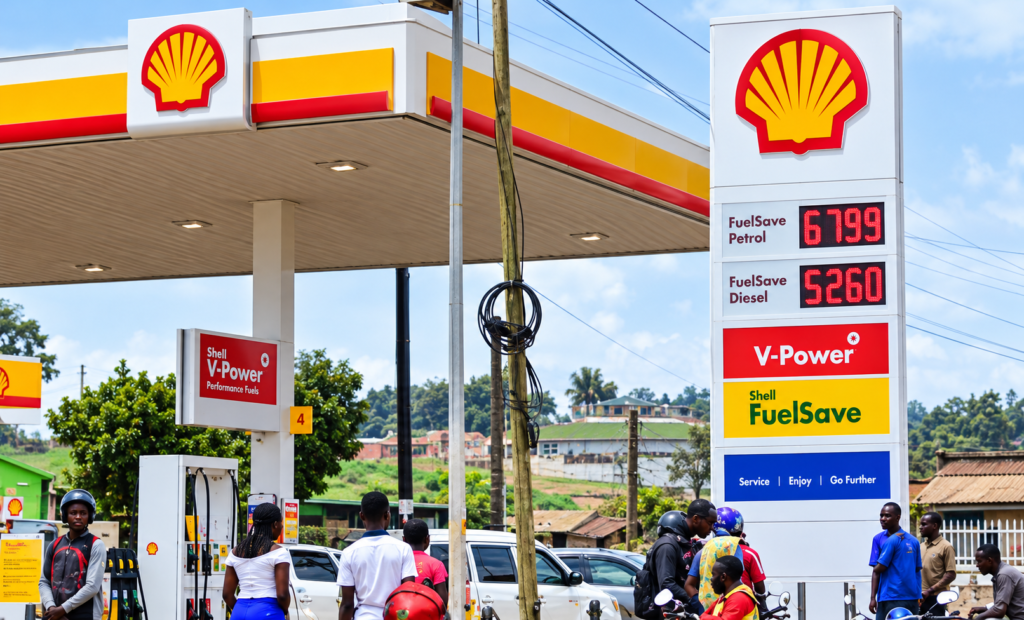
Fuel is the main driver. A weaker shilling makes every imported litre dearer, and El Niño threatens food crop prices. In its statement, the Bank warned: “The fuel shock seems persistent, and this, combined with exchange rate depreciation and effects of El Nino weather could cause inflation to be entrenched if monetary policy does not contain these price pressures now.”
The key word is now. The Bank has chosen to absorb some damage today rather than fight embedded inflation later.
That choice has a cost. The Bank cut its growth forecast for 2026/27 to between 6.0% and 6.5%, a full percentage point below the 7.0% to 7.5% it projected earlier.
The CBR does not set commercial lending rates, but it anchors them. Ugandan borrowers start from a high base, with Bank of Uganda data showing average shilling lending rates at roughly 18% to 19% for much of the past year. If banks reprice, the first businesses to feel it will be those living on short term credit: traders restocking ahead of the festive season, importers paying for inputs in dollars, and small enterprises with few alternatives to a bank loan.
The higher reserve requirement adds to the squeeze. With 13.5% of deposits now held at the central bank, commercial banks have less to lend. The Bank describes the measure as a way to mop up excess liquidity. Borrowers are likely to experience it as tighter and costlier credit.
Behind the inflation outlook is a worsening external position. The statement shows the current account deficit widening by US 1.4 billion to US 4.6 billion, driven by lower agricultural commodity prices, weaker tourism receipts and higher freight costs. Higher interest rates in advanced economies have also made foreign assets more attractive than Ugandan ones, slowing capital inflows. Less foreign money coming in weakens the shilling, and a weaker shilling raises the cost of fuel, machinery and industrial inputs.
Raising the CBR is meant to make shilling assets more attractive and steady the currency. Whether it works depends partly on factors Kampala does not control, including export earnings, global interest rates and investor appetite.
The Bank still expects growth to recover to around 8% over the medium term, supported by private investment, stronger exports, oil sector developments and the government’s Tenfold Growth Strategy. For now, the near term picture is tighter credit, slower growth and a central bank on alert.
The coming weeks will show how quickly commercial banks reprice their loans, what the October inflation figures reveal, and whether the shilling finds its footing. The Bank says it is prepared to tighten further if needed. Wednesday’s unscheduled move suggests that is not an idle warning.