Picture race week in Bugesera, sometime around 2030. Every team has flown in with its crew, its cars and tonnes of freight. Thousands of fans are landing at a brand-new airport. Every one of them needs a bed, a ride, a meal, a SIM card and a way to pay.
Who supplies all that? Unless the region starts preparing now, the honest answer is someone from Europe or the Gulf.
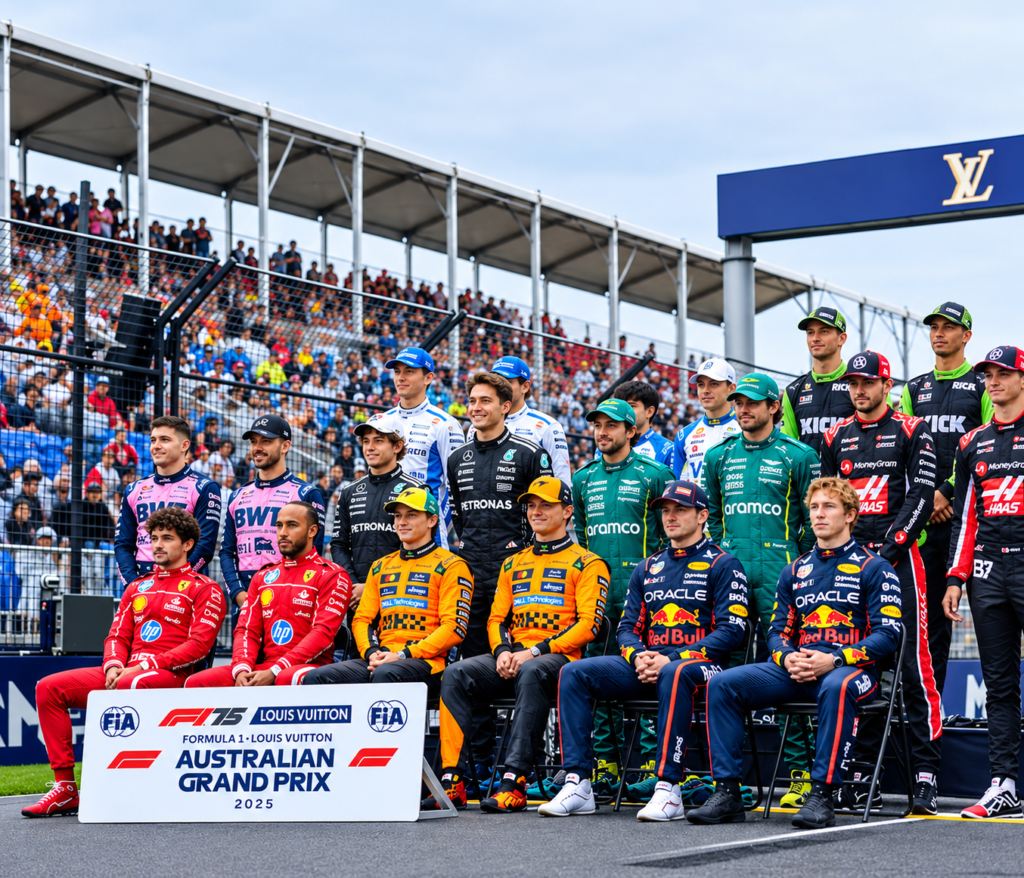
Sports journalist Brian Tuka put it plainly on Capital FM: a single F1 team travels with dozens of staff, and each of them is a customer for hotels, drivers and caterers. Multiply that across the grid, add the broadcasters, sponsors and fans, and race week becomes one of the region’s biggest procurement events.
Rwanda is reported to have secured Formula One’s first African race since South Africa’s Kyalami in 1993. Formula One, the FIA and Kigali have yet to confirm it, but several outlets say an agreement is in place and an announcement is close. The planned circuit sits about 40 km outside Kigali, beside the new Bugesera International Airport.
Singapore is the best-known case of a small country hosting F1. Its government says the night race brought in more than 2.2 billion dollars in extra tourism spending between 2008 and 2024. It also costs about 140 million dollars a year to stage, and the state pays 60 per cent of that.
Melbourne’s 2023 race added an estimated A$268 million to Victoria’s economy and supported 1,149 full-time jobs, according to a study for the state government.
Britain plays a longer game. Formula One told the UK Parliament that the British F1 industry, from team factories to specialist engineering suppliers, is worth more than £12 billion a year. That value comes from building the sport. Hosting it is a smaller prize.
The lesson is uneven. Tourism money flows fast. Industrial value takes decades. Neither comes free.
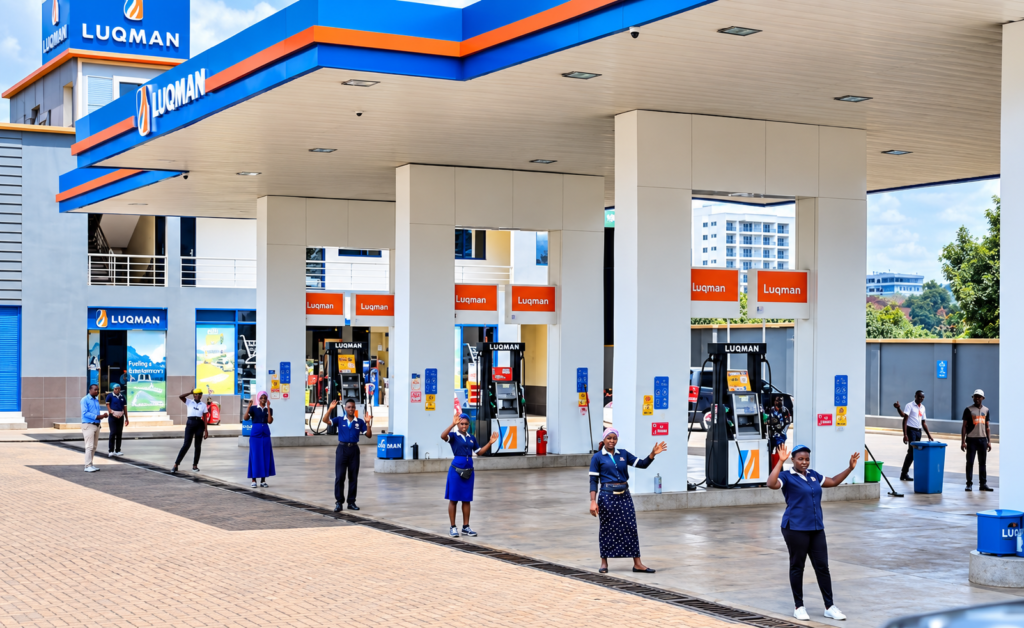
Long before the first car leaves the garage, someone has to build a circuit, grandstands, access roads and power supply. Then come security, hospitality, catering, transport, ticketing, broadcasting, payments and connectivity. Each is a contract. Most will go to suppliers who can prove they have done it before, at international standards. That is the hard part for local firms. F1 does not wait for anyone to learn on the job.
Kigali is an hour’s flight from Entebbe. For Uganda, the race is an entry point to the whole region.
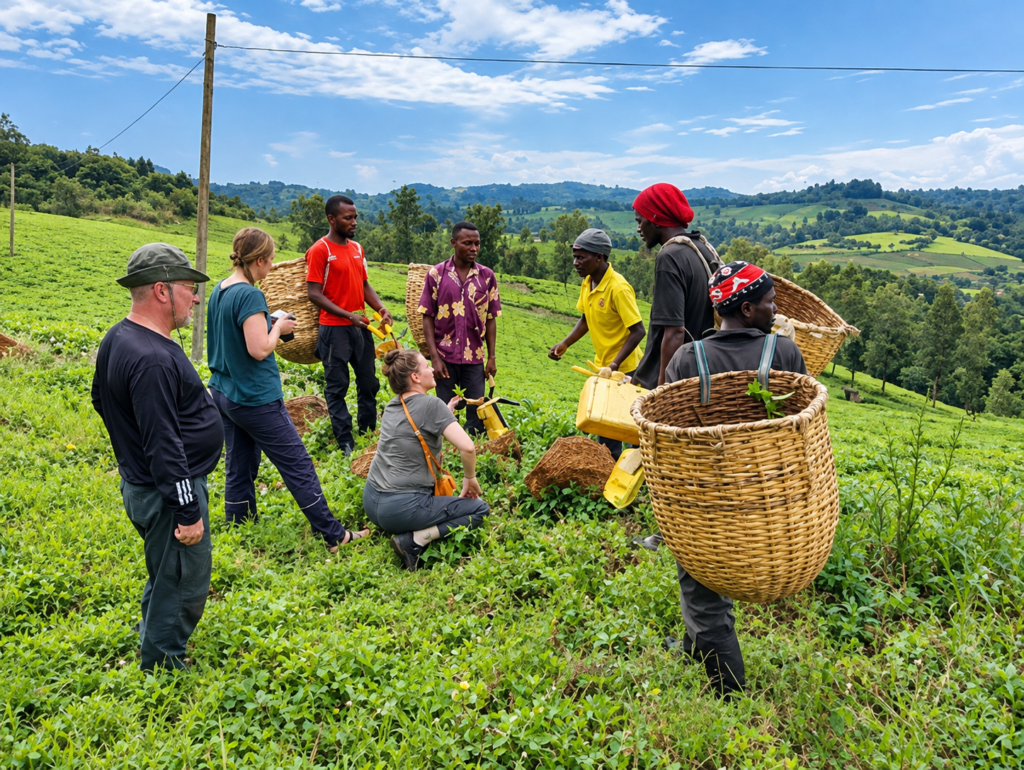
A fan flying in from London for a Grand Prix could just as easily add Bwindi’s gorillas, a rafting trip at Jinja or a week in Kampala. Ugandan tour operators who sign deals with Rwandan partners early will own that traffic. Those who wait will watch others package it.
The same applies beyond tourism. Ugandan and Kenyan firms in logistics, media production, events and digital services could team up with Rwandan partners to bid for work; none of them would win alone.
What has to happen first
Rwanda’s organisers need to publish procurement plans and supplier standards early. Chambers of commerce in Kampala, Nairobi and Kigali should already be mapping who can deliver and where the gaps are, whether in certification, finance or capacity. Training colleges should be thinking about the technicians, chefs and event managers a race weekend demands.
Three or four years sounds like plenty of time. For a supplier who still needs certification, a credit line and a track record, it is not.
When the cars have gone home, the questions will be simple. How much of the money stayed in East Africa? How many jobs outlived race week? Did the return justify the public spend?
The spectacle will make the headlines. The contracts will tell the real story.