Uganda wants Italian investors to move beyond buying its coffee, milk and minerals to processing them locally, transferring technology and manufacturing finished products for regional and international markets. The Uganda–Italy Business and Investment Forum in Rome has opened discussions around that ambition, but the commercial test will be whether the interest translates into factories, financing and jobs.
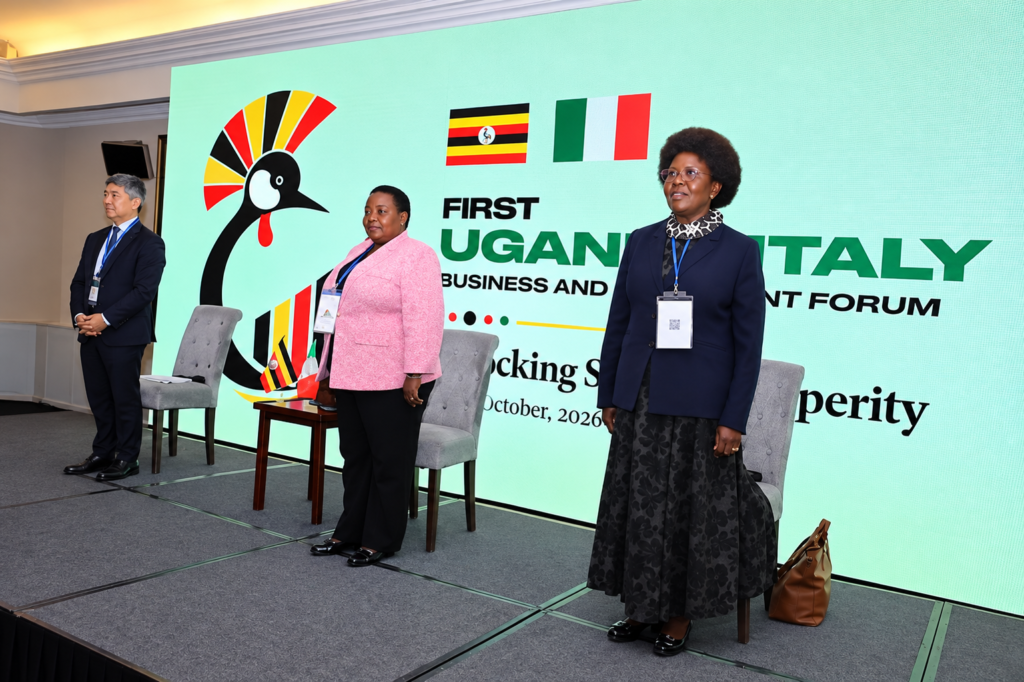
Held on October 13–14 under the theme Unlocking Shared Prosperity, the first forum brought together government officials, businesses and investment institutions to explore opportunities in agro-processing, manufacturing, energy, healthcare, logistics and technology.
Prime Minister Robinah Nabbanja captured the government’s position at the opening.
“We want our people from Italy to take coffee made in Uganda. Not grown in Uganda,” she said.
Her message reflects Uganda’s effort to capture more value from commodities that already have international demand. Instead of exporting raw materials and leaving processing, packaging and branding to businesses elsewhere, the country wants more of those activities, and the jobs and expertise they generate, to take place locally.
However, publicly available reports from the opening of the forum do not establish the value of new investment agreements concluded in Rome. The opportunities discussed and the follow-up engagements proposed are therefore best understood as a pipeline of potential deals, rather than confirmed investments.
Coffee provides the strongest illustration of what Uganda wants Italian investors to bring.
According to the Uganda Embassy in Brussels, Uganda exported 8.78 million 60-kilogramme bags worth US$2.38 billion in the 12 months to April 2026, with export volumes rising 22% and earnings increasing 23% year-on-year. Italy is one of Uganda’s leading coffee markets, accounting for about a quarter of its exports, according to officials at the Rome forum.
Yet export earnings from green beans do not capture the entire value available from roasting, soluble coffee production, packaging and consumer branding.
Gerald Kyalo, Commissioner for Coffee at the Ministry of Agriculture, Animal Industry and Fisheries, told Italian buyers that robusta accounts for approximately 89% of Uganda’s coffee production, with arabica making up the remainder. Production reached an estimated 9.5 million bags in the 2025/26 season, while the national target is 20 million bags by 2030.
For Italian manufacturers, the opportunity lies in establishing or partnering in roasting and soluble coffee plants in Uganda, sourcing beans locally and producing finished goods for domestic and export markets. Ugandan companies could benefit through supply contracts, packaging, quality assurance, distribution and other services supporting those facilities.
The branding groundwork is already in place. Uganda launched its national coffee brand, Uganda Coffee: It’s in Our Nature, in Brussels in June 2026. The commercial challenge is to turn that identity into stronger demand for Ugandan-origin finished products, rather than relying primarily on exports of unprocessed beans.
Market access will also determine how far the opportunity goes. Italian buyers raised questions about Uganda’s readiness for the European Union Deforestation Regulation, which requires relevant commodities entering the EU market to meet deforestation-free requirements and associated traceability obligations.
Kyalo said Uganda had registered 1.5 million coffee farmers and mapped 1.6 million coffee gardens, with a traceability system linking farmers, traders and a national data warehouse being piloted. These systems will be important in demonstrating compliance and giving buyers confidence in the origin of their coffee.
For investors, this means the opportunity extends beyond building processing plants. Traceability technology, testing, quality control and reliable supply chains will also be essential to accessing premium markets.
The forum’s wider investment pitch covered cocoa, dairy, fruits and vegetables, grains, meat, livestock, cotton and horticultural products.
Hez Kimoomi Alinda, Executive Director of the Uganda Free Zones and Export Promotion Authority, highlighted opportunities in cocoa processing, vanilla, tea, spices, dairy, aquaculture, cold-chain logistics and packaging. He also identified a shortage of testing laboratories needed to help Ugandan fresh produce meet European Union standards.
These gaps present practical opportunities for Italian companies with expertise in food processing, industrial equipment, laboratory services, refrigeration and export logistics.
In cocoa, investment could support the production of cocoa butter, cocoa liquor and chocolate locally. In horticulture, aggregation centres, modern packaging, testing facilities and temperature-controlled transport could help exporters reduce post-harvest losses and supply international buyers more consistently.
Dairy processing presents a similar opportunity to expand the range of products manufactured locally, while partnerships in grains, meat and other agricultural commodities could improve storage, processing and distribution.
For Ugandan agribusinesses, the value of such investments would depend on whether they create accessible supply contracts for farmers, cooperatives and local processors. A foreign-owned factory can increase domestic production capacity, but the wider economic benefits will be greater when local businesses participate in its supply chain.
The discussions also extended to manufacturing, renewable energy, infrastructure, healthcare, pharmaceuticals, tourism, information technology and oil and gas-related industries.
Fabrizio Lobasso, Deputy Director-General for the Promotion of Italy and Economic Internationalisation at Italy’s Ministry of Foreign Affairs and International Cooperation, indicated that Italian companies were interested in joint ventures in Uganda, including cooperation in technology, skills development and digitalisation.
An Italian foreign ministry delegation was expected to visit Uganda in early November, while Giorgio Traietti, a board member of Confindustria Assafrica & Mediterraneo, indicated that the association would follow up with Uganda’s investment and economic agencies on opportunities identified during the forum.
These engagements could help move discussions towards project proposals, feasibility studies and negotiations. They do not, on their own, confirm that companies have committed capital or agreed to establish operations.
The distinction matters because successful industrial partnerships require more than an agreement in principle. Investors must determine the cost of production, access to infrastructure, financing arrangements, market demand and the availability of skilled workers. Ugandan partners, meanwhile, need clarity on ownership, technology transfer, local sourcing and employment.
Uganda Investment Authority Director General Robert Mukiza told investors that businesses could target returns of around 14% in Uganda. This was part of the government’s investment pitch, not a guaranteed return. Mukiza also highlighted Uganda’s access to the East African Community, COMESA and the African Continental Free Trade Area, alongside incentives intended to attract investment.
The country has an existing industrial base on which such partnerships could build. The Ministry of Finance reported in July 2026 that 14 of 25 planned industrial and agricultural business parks were fully operational, with 463 companies operating across the park ecosystem. The ministry said the ecosystem had mobilised approximately US$5.88 billion and generated 164,230 direct and indirect jobs. These are national industrial park figures, not outcomes of the Rome forum.
The same ministry has called for improvements to roads, water and electricity infrastructure in industrial parks. Those constraints matter to Italian manufacturers weighing the cost of establishing production facilities in Uganda.
Investment incentives and regional market access may attract interest, but reliable power, serviced land, transport links and predictable operating conditions will influence whether projects proceed.
Nabbanja said the forum’s success should be judged by agreements signed, companies established in Uganda and jobs created for young people. That provides a more meaningful measure than the number of meetings held or opportunities presented.
The next stage should establish which discussions progress into negotiations, how much capital investors commit, where facilities will be located and when implementation is expected to begin. It should also clarify the technology, skills and supplier opportunities that Ugandan businesses stand to gain.
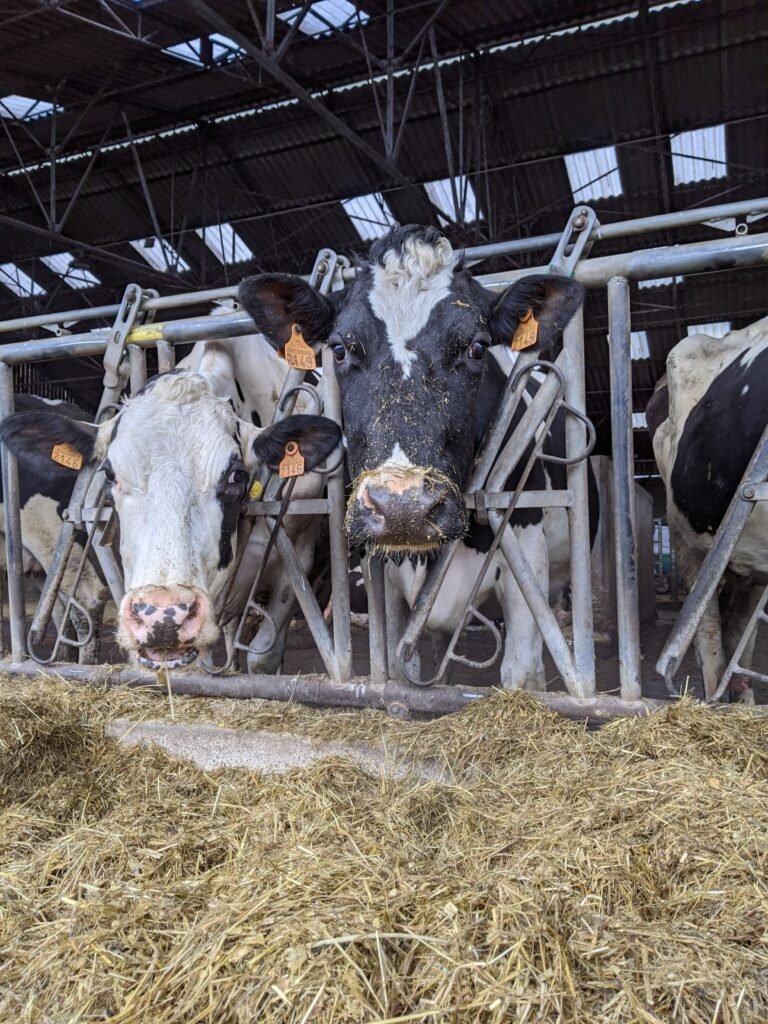
For local enterprises, the terms of engagement will be particularly important. A coffee-processing plant, for example, could create demand for Ugandan beans, packaging materials, transport and technical services. The scale of that benefit will depend on procurement arrangements, the number of people employed and how much of the production chain remains in Uganda.
The same principle applies to dairy, cocoa, horticulture and manufacturing. Local production must be commercially viable, and partnerships must connect investment with domestic suppliers and workers if the benefits are to extend beyond the companies involved.
Uganda has demonstrated its ability to produce agricultural commodities that international markets want. The opportunity presented in Rome is to attract the capital, technology and industrial expertise needed to process more of those commodities at home.
The proposed diplomatic and commercial follow-up could help turn that ambition into projects. But until investments are financed, facilities established and production begins, the forum remains an opening for business rather than proof of deals delivered.
Its lasting value will be measured in the factories that open, the products Uganda manufactures, the capital deployed locally and the jobs created, not simply in the opportunities discussed in Rome.