
A significant diplomatic and financial fallout is unfolding between Uganda and Germany following the abrupt recall of crucial funding agreements with the German Development Cooperation (GIZ).
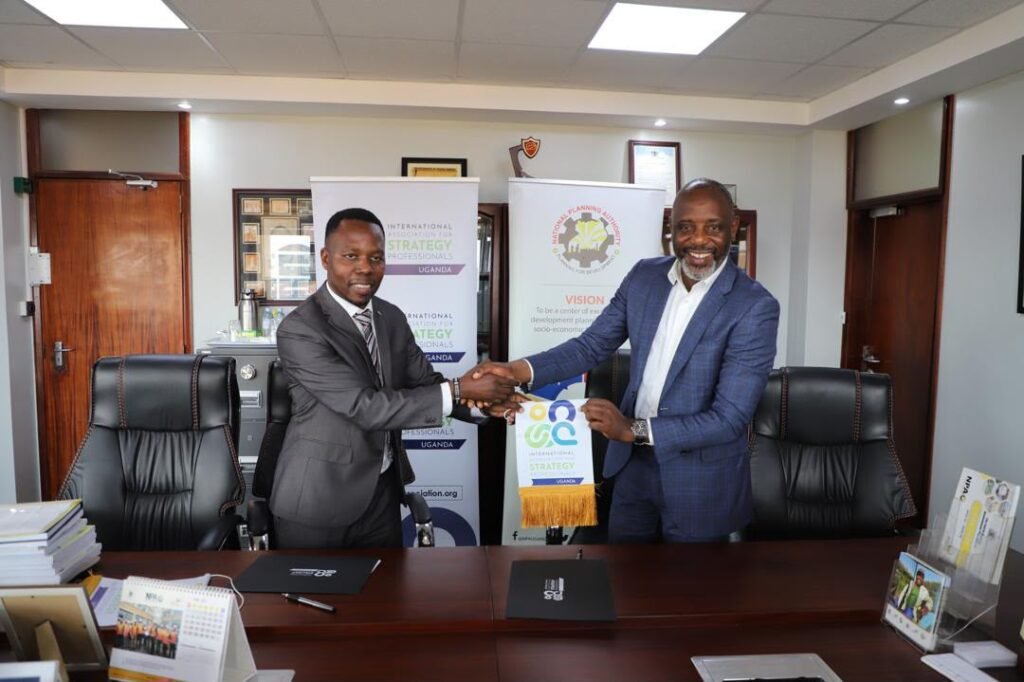
Two pivotal government agencies, the National Planning Authority (NPA) and the Office of the Auditor General (OAG), have suspended multi-million Euro memoranda of understanding (MoUs) after security agencies raised serious concerns, alleging the funds were linked to subversive activities and directly contravened national law and presidential directives on foreign funding.
The decision has thrust the integrity of foreign development assistance into the national spotlight. It poses a direct threat to key national development objectives that rely on external technical and financial support.
Constitutional Breach and the President’s Directive
The core of the crisis stems from the discovery that the MoUs, which were set to disburse over €5.5 million (approximately Shs22 billion) over two years from 2025 to 2027, were executed without the mandatory legal clearance from the Attorney General (AG), the chief legal advisor to the government.
NPA Executive Director Joseph Muwavala confirmed this constitutional lapse, stating: “It has come to our attention that the agreement was not submitted to the Attorney General’s office for the requisite legal clearance before the execution as constitutionally required.”
Beyond the legal requirement, security sources indicated that the agreements violated President Yoweri Museveni’s directive to centralise and vet all foreign funding to ensure alignment with national priorities.
Crucially, investigations reportedly revealed that the agreements contained clauses that:
Allowed Direct Engagement
Enabled foreign funders to deal directly with recipients without informing or getting the consent of the central government.
Permitted Scope Alteration
Included a clause that would allegedly allow the Germans to “change scope midway, allowing them to push their agenda,” raising fears of external political interference.
Following the lead of the NPA, Auditor General Edward Akol also recalled his office’s agreement, emphasising the need for the AG’s guidance to ensure the provisions “fully align with the laws of Uganda, priorities and mutual objectives.”
It should be noted that the recall not only halts the injection of Shs22 billion into critical institutional capacity building but also signals profound governmental mistrust in a key development partner, Germany, potentially complicating future funding discussions across various sectors.
National Development Objectives at Risk
The suspension of these agreements creates a significant vacuum that directly threatens the capacity and independence of two of Uganda’s most vital institutions as follows;
The National Planning Authority (NPA) coordinates the entire national planning framework, including the implementation of National Development Plans (NDPs) and Vision 2040. The NPA’s ability to coordinate, monitor, and effectively steer long-term national projects could be hampered, potentially slowing economic growth and project completion rates.
The Office of the Auditor General (OAG), on the other hand, provides independent assurance to Parliament on the proper use of public funds and combats.
Loss of funding could impact the OAG’s capacity to conduct comprehensive, nationwide audits, potentially diminishing accountability and fueling corruption risks, which are critical to national stability.
Broader Diplomatic and Security Fallout
The financial scandal is now escalating into a broader security and diplomatic investigation. Security agencies are reportedly probing German diplomat Tassilo von Droste, who entered Uganda in 2023 and runs the NGO, Civil Society in Uganda Support Programme, alongside several other local and international NGOs.
The allegations center on claims of “fanning political violence and political destabilisation” as Uganda approaches the January 2026 general election.
This development places immense strain on the long-standing bilateral relationship between Uganda and Germany, one of the country’s most significant development partners. The current investigations suggest a perceived pattern of political meddling under the guise of technical cooperation, prompting a rigorous review of all foreign-backed projects.
The focus is now on the outcomes of the Attorney General’s review and the security agencies’ investigations.
Following the fallout, the government will need to navigate a delicate path, asserting its national sovereignty and adherence to constitutional law while minimising the diplomatic damage and securing alternative financing to avoid jeopardising Uganda’s core national development objectives.