
As the world grapples with unprecedented global shocks, escalating trade disruptions, climate impacts, and geopolitical tensions, a call to action has resonated from the heart of Africa.
At the 28th Annual Conference on Global Economic Analysis in Kigali, Rwanda, Dr. Akinwumi Adesina, President of the African Development Bank (AfDB), delivered a powerful keynote address, urging African nations to seize control of their destiny with unwavering determination, instead of relying on foreign funding and aid.
His message to African leaders was unequivocal: “Africa must chart its future, relying not on the benevolence of others, but on its determination.” This is not merely rhetoric, but a strategic imperative in an increasingly volatile global landscape.
New Economic Reality: Investment, Not Aid
Dr. Adesina delivered a stark warning that challenges conventional development paradigms. “The era of aid or free money is gone,” he declared.
He stressed that African countries must now embrace a new discipline: “African countries must now learn to develop via the discipline of investments.”
He noted that this marks a fundamental shift, demanding robust policy frameworks, transparent governance, and an enabling environment that attracts and secures sustainable investment, both domestic and foreign.
Trickle-down Effect of Trump Tariffs
The AfDB chief also sounded the alarm on the potential negative consequences of recent tariffs introduced by United States President Donald Trump.
Such protectionist measures, he warned, could trigger a series of economic challenges for African nations, including increased inflation, further weakening of local currencies, and a reduction in crucial export revenues, all while traditional aid flows continue to shrink.
Value Addition and Intra-African Trade
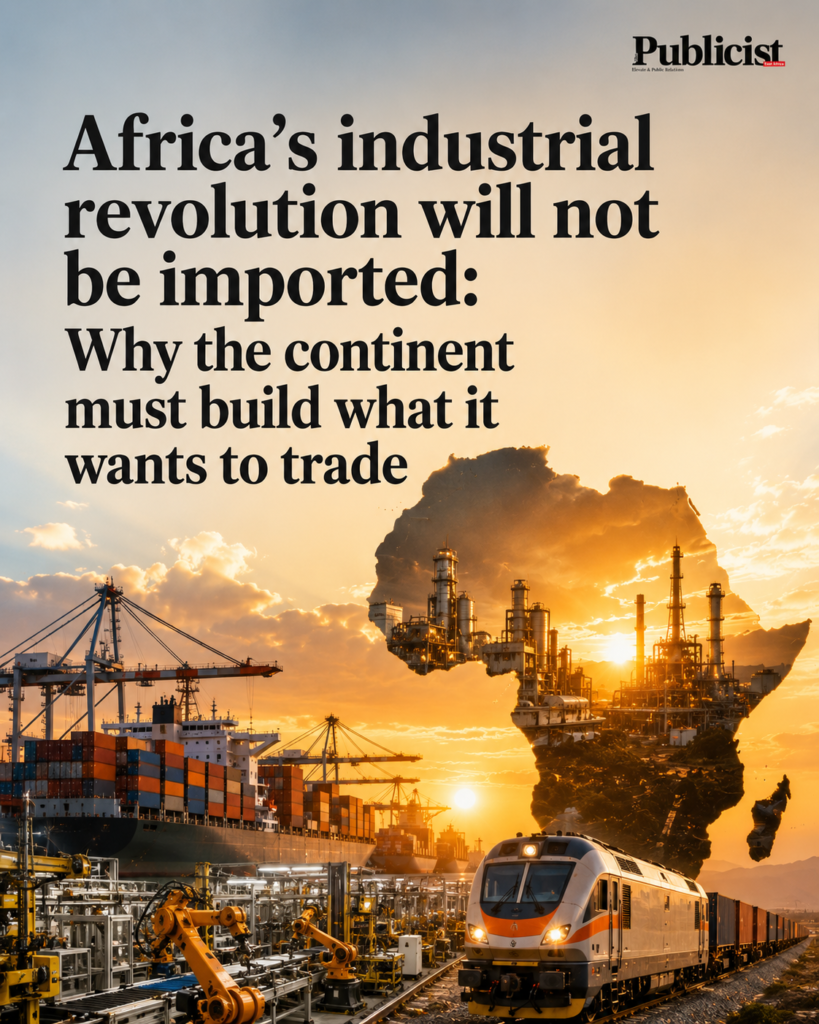
To achieve large-scale economic advancement and escape the cycles of dependency, Dr. Adesina prescribed a radical, yet essential, shift in economic strategy: value addition of commodities.
“The export of raw materials is the door to poverty. The export of value-added products is the highway to wealth,” he asserted.
Africa, rich in natural resources, has historically exported raw materials, forfeiting immense economic benefits and job creation opportunities that come with processing and manufacturing.
Investing in industrialisation and local processing capacities is no longer an option, but a necessity to capture a greater share of global value chains.
Furthermore, Dr. Adesina reiterated the critical need to accelerate people-centred regional trade within Africa.
He observed that despite being a continent of 1.4 billion people, Africa’s share of world trade remains stubbornly low at just 2.5%.
According to Dr. Adesina, breaking down intra-African trade barriers, harmonising regulations, and investing in regional infrastructure are paramount to creating a vibrant internal market that can absorb African-made goods and services, fostering shared prosperity and resilience against external shocks.
Call to Action for African Leadership
Dr. Adesina’s address serves as a compelling call to action for every African President and his government. It demands bold, decisive leadership focused on:
Prioritising Investment
Creating a predictable and attractive environment for both domestic and foreign investment, moving away from reliance on fluctuating aid.
Industrialising with Intent
Strategically investing in sectors that add value to Africa’s abundant raw materials, building local manufacturing capabilities, and creating jobs.
Unlocking Intra-African Trade
Championing policies, infrastructure, and regulatory frameworks that facilitate seamless trade among African nations, realising the full potential of the African Continental Free Trade Area (AfCFTA).
Building Resilience
Developing robust economic shock absorbers and diversified economies that can withstand global pressures and protectionist tendencies.
The time for rhetoric is over, and Dr. Adesina’s message is a direct challenge to Africa’s leaders to take tangible steps towards self-determination, innovation, and an integrated economic future, ensuring that the continent charts its course towards sustainable wealth and prosperity.