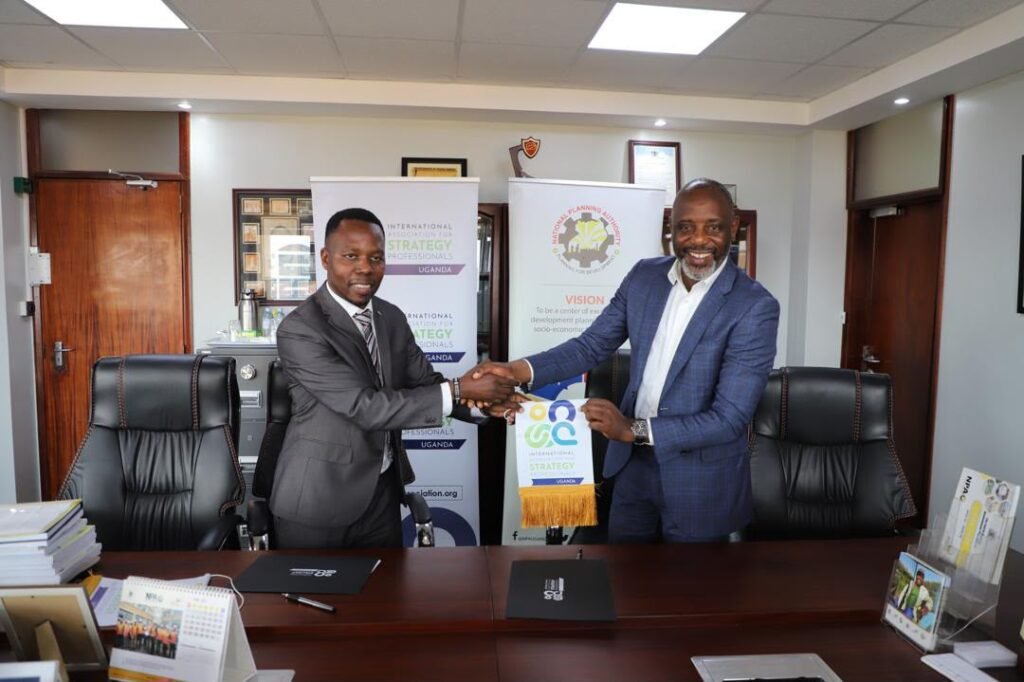

The signing of a cooperation agreement between Uganda and Algeria on Monday, September 8, 2025, marks a significant milestone in their diplomatic and economic relations.
Signed by Uganda’s Minister of Finance, Matia Kasaija, and his Algerian counterpart, Abdelkarim Bouzred, the agreement is designed to support the implementation of development projects in Uganda through the Algerian International Cooperation for Solidarity and Development Agency.
This partnership, initiated with a substantial grant for the health sector, is set to create a ripple effect that can fuel Uganda’s broader economic growth.
“This project will significantly transform health care delivery for Katakwi and the neighbouring districts, benefiting over half a million people, not only for today, but for generations to come,” said Kasaija.
He added that, “It will ease access to specialised care and reduce financial and social burdens by minimising long travel distances and associated expenses for accommodation, food, and transport for families and the patients.”
Health Sector as an Engine for Growth
The first project under this new framework is the expansion and rehabilitation of Katakwi General Hospital, backed by a generous grant of USD 13.7 million (approximately Shs50 billion).
This investment, according to Min. Kasaija directly targets a crucial pillar of human capital development: public health. While often seen as a social expense, investment in health infrastructure is a proven catalyst for economic growth.
Boosting Productivity and Labour Supply
A healthier population is a more productive one. By enhancing access to quality, specialised health care, therefore, the rehabilitated hospital will reduce the prevalence of illness and disease, minimising lost workdays and enabling people to contribute more to the economy.
Minister Kasaija’s observation that the project will benefit over half a million people, reducing long travel distances and associated costs, directly translates to increased economic activity and reduced financial burdens on families.
Decongesting the Healthcare System
The project will also help decongest regional referral hospitals, ensuring that patients receive timely and effective care.
A more efficient healthcare system reduces waiting times and improves health outcomes, which in turn frees up resources and enhances the overall efficiency of the health sector.
Job Creation and Human Capital Development
The project will create both direct and indirect jobs, from construction workers during the rehabilitation phase to medical personnel, administrators, and support staff once the hospital is operational.
Minister Kasaija’s request for a second phase to include the provision of advanced medical equipment and the training of health workers is a key step towards long-term human capital development.
This investment in a skilled workforce will not only improve healthcare quality but also create a sustainable knowledge base for the future.
Framework for Broader Cooperation
The cooperation agreement extends beyond the health sector. The search results show that Uganda and Algeria have been deepening their relationship and signed seven bilateral agreements in 2023 that cover vital areas such as energy, tourism, trade, agriculture, and scientific research.
These agreements, which have led to initiatives like the Uganda-Algeria Business Forum and a pact to eliminate trade middlemen, create a robust framework for mutual investment and economic exchange.
While the Katakwi hospital project is a powerful first step, it serves as a proof of concept for future collaboration.
The success of this project could pave the way for Algerian investment in other sectors, particularly in areas like agriculture, where Uganda has significant untapped potential.
With Algeria actively seeking to diversify its economic partnerships across Africa, this agreement positions Uganda to attract further investment and technical expertise, ultimately helping the country build a more diversified and resilient economy.