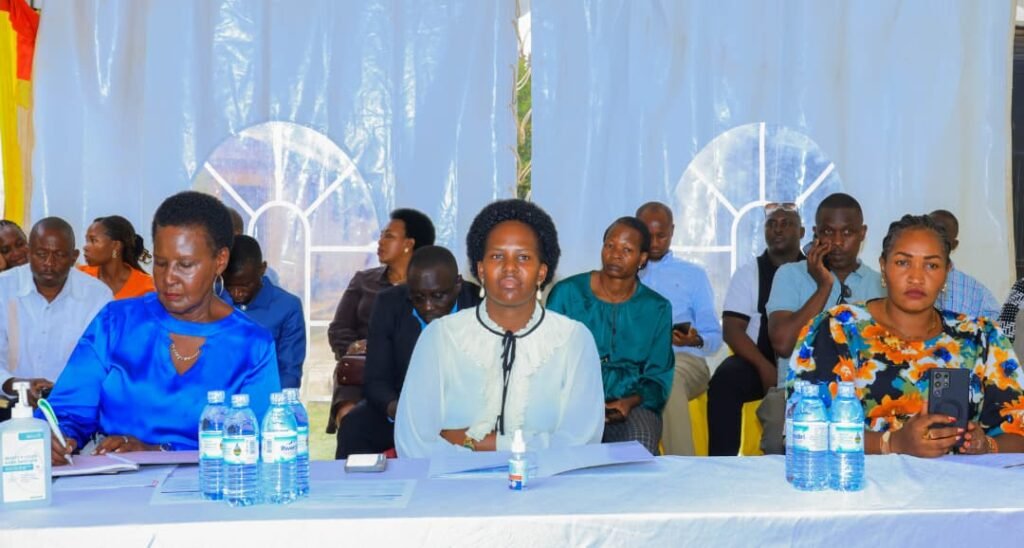

The Government of Uganda, through the Ministry of Agriculture, Animal Industry and Fisheries (MAAIF), Pearl Bank and other partners, has launched a decisive, systemic initiative to safeguard its massive livestock industry and protect the millions of households relying on it for their livelihood.
Spearheaded by the Minister of State for Animal Industry, Hon. Bright Rwamirama, a new nationwide Foot and Mouth Disease (FMD) vaccination program is being rolled out, transitioning the country from sporadic, small-scale free campaigns to a systematic, bi-annual vaccination programme supported by a sophisticated cost-recovery scheme.
Speaking during a media briefing at the Uganda Media Council today, Minister Rwamirama said, “The new approach is designed to ensure long-term sustainability, consistent coverage, and better disease management, thereby mitigating the severe economic disruption caused by recurrent FMD outbreaks.”
Securing 44.5 Million Animals
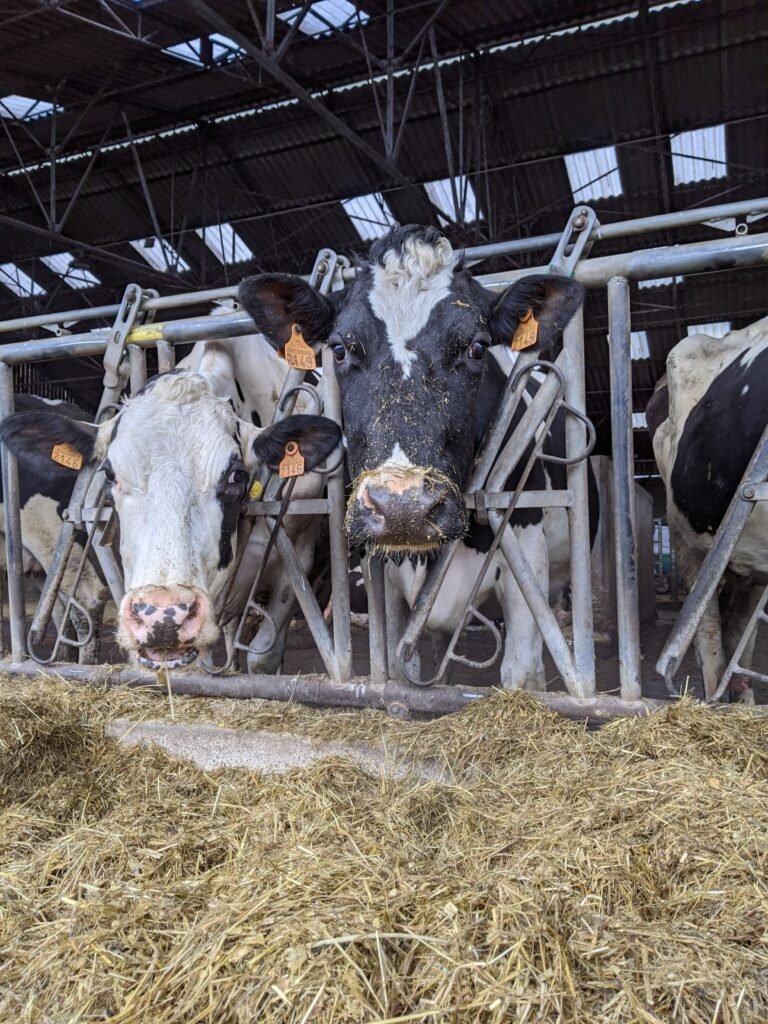
According to Hon. Rwamirama, the sheer scale of Uganda’s livestock sector underscores the critical need for this sustained vaccination effort. The country is home to approximately 44.5 million animals susceptible to FMD, including:
15.5 million cattle, 17.4 million goats, 4.4 million sheep and 7.1 million pigs.
The Minister revealed that recurrent FMD outbreaks have historically resulted in severe losses, disrupting animal movements, impeding crucial market access both regionally and internationally, and diminishing overall herd productivity.
He noted, however, that this new bi-annual program is the government’s comprehensive answer to these persistent challenges.
A Digital-First, Systematic Approach
To ensure the sustainability and efficiency of the new cost-recovery scheme, the Minister said a rigorous Farmer Onboarding and Payment System has been established. He revealed that this system integrates the Ministry of Agriculture, Animal Industry and Fisheries (MAAIF) with the financial sector, thereby standardising accountability and service delivery.
How the Cost-Recovery and Payment System Works:
The Minister gave a breakdown of how the cost-recovery and payment system being rolled out by the Ministry will work, noting the following;
Registration and Identification
Each livestock farmer must register once through their District Veterinary Officer (DVO), in collaboration with either PostBank Uganda (now Pearl Bank) or Housing Finance Bank. Key data, including basic details, farm location, and animal numbers, will be collected. Upon successful registration, the farmer will be issued a Unique Farmer Identifier (UFI).
Vaccine Payment
Farmers will select their preferred payment method, and the available payment methods include;
Official mobile money transactions.
Direct bank deposits.
Agent banking.
Proof of Payment: After payment, the farmer receives a receipt or an SMS containing a unique payment reference.
Vaccination Execution
Vaccination shall not proceed without presentation of the proof of payment. During the exercise, the designated team documents the vaccine batch/lot details and the number of animals vaccinated. Herds that complete the process are then issued official vaccination certificates.
Integrated System for Accountability and Control
The Minister emphasised that the system is engineered for transparency and efficiency, integrating all logistical and financial components as follows:
Inventory and Cold Chain
The digital system manages vaccine inventory, monitors the crucial cold chain integrity, and tracks field administration.
Synchronisation
System-generated notifications ensure that MAAIF stores, district veterinary offices, partner banks, and the Bank of Uganda remain perfectly synchronised regarding stock and payments.
Real-time Management
District dashboards provide real-time data for crucial management functions, including dose forecasting and daily reconciliation of doses administered, animals vaccinated, and corresponding payments received.
He noted that as the program matures, the vaccination certificate (proof of payment) will become mandatory for animal movement within the country, creating a regulatory framework that incentivises compliance and ensures better national disease control.
This comprehensive approach, according to Hon. Rwamirama, demonstrates Uganda’s commitment to adopting modern, technology-enabled systems to protect its vital agricultural backbone, ultimately securing livelihoods and boosting the sector’s contribution to the national economy.