For many Ugandans, retirement is something planned for years away. But for workers approaching the end of their careers, the question is becoming more immediate: will the money saved over decades be enough to maintain a decent standard of living when the monthly salary stops?
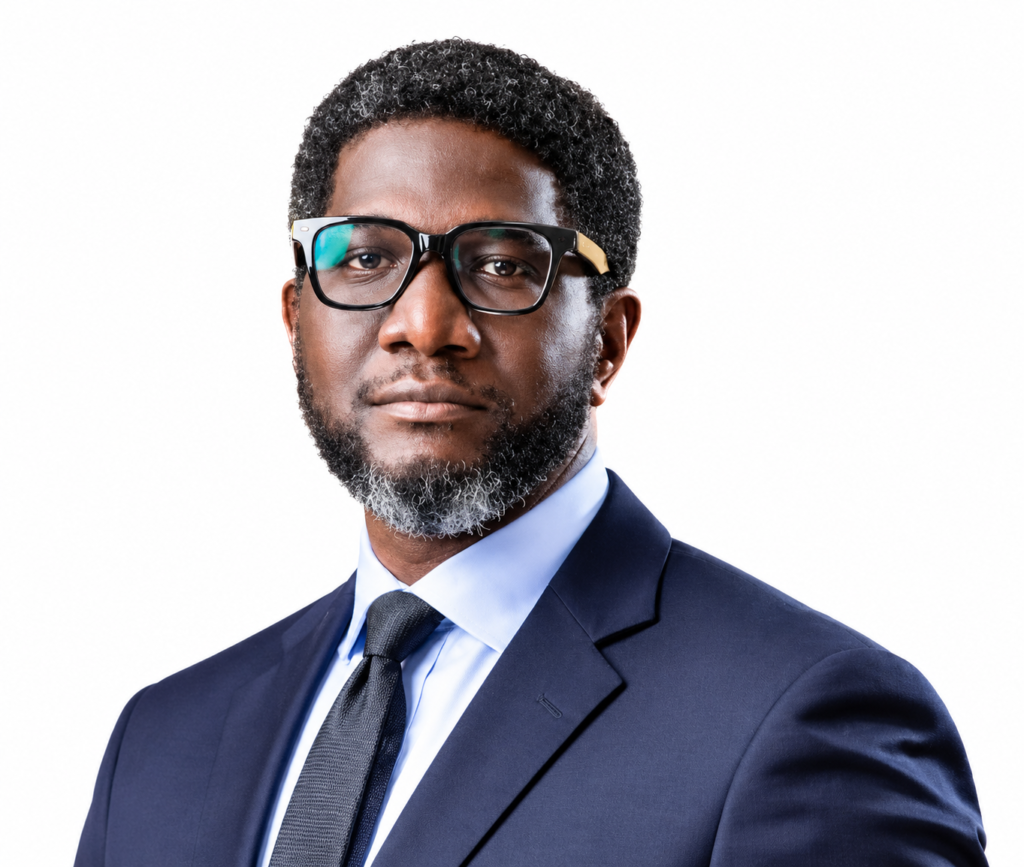
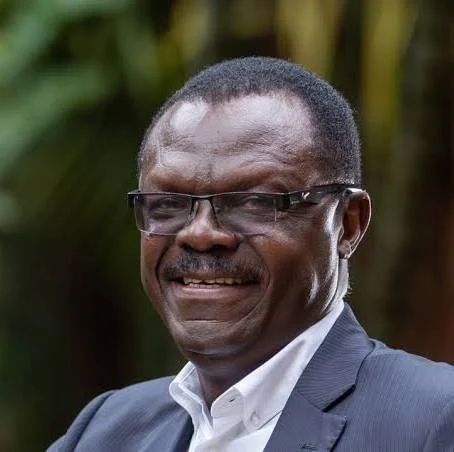
Peter Bwengye offers an example of what preparation can achieve. After more than three decades of saving, he retired in 2020 with his National Social Security Fund (NSSF) savings accounting for slightly more than half of his assets. According to his experience published by NSSF, his payout represented approximately five years of his gross salary. Rather than spend it all, he invested the money and built an income stream that now exceeds what he earned in his final working years.
His experience illustrates the importance of planning beyond the final day of employment. However, not every retiree has the same financial foundation, raising questions about whether Uganda’s workers are accumulating enough to support themselves in old age.
The question comes at a time when NSSF is reporting record growth. Its FY2025/26 Integrated Report shows that assets increased by 26.4 per cent to Shs32.87 trillion, up from Shs26.01 trillion the previous year. Contributions rose by 13.7 per cent to Shs2.42 trillion, while Shs1.55 trillion was paid to members in benefits. The Fund also reported 3.65 million members.
In September 2026, Finance Minister Henry Musasizi declared an interest rate of 22.53 per cent for members’ savings, the highest in the Fund’s 40-year history. This translated into Shs5.44 trillion credited to members’ accounts, almost double the Shs2.79 trillion awarded in the previous financial year.
Yet strong investment performance does not automatically guarantee a comfortable retirement. What matters to an individual is how much they have accumulated, how long they have contributed and whether their savings can support their expenses after employment ends.
The distribution of savings illustrates the differences between members. According to NSSF figures reported by Daily Monitor in September, approximately 2.7 million members had savings balances. About 12 per cent of these savers held roughly 87 per cent of the Fund’s money. The figures highlight how differently retirement savings are accumulated, depending on salaries, contribution periods and employment histories.
For someone accustomed to receiving a monthly salary, retirement brings a significant financial adjustment. Food, housing, healthcare and family responsibilities do not disappear when employment ends. In an NSSF retirement planning analysis, Stephen Omojong, the Fund’s Research and Product Development Manager, explains that workers need to assess the income required to maintain their preferred lifestyle rather than rely on their accumulated balance alone.
The experiences of other contributors featured in NSSF’s 40th anniversary Savings Digest illustrate why preparation matters. Arthur Natukunda says he registered with the Fund at 18 when he secured his first job. Initially, he regarded it as an employment requirement, but later appreciated the importance of starting early after reviewing his savings projections. Godwin Kugonza, who earns less than Shs1 million monthly, similarly recognises the importance of consistent saving despite having relatively modest earnings.
For some, retirement preparation also involves building alternative income sources. Yvonne Katureebe, another contributor featured in the publication, says she used her midterm benefit after leaving employment in 2022 to invest in farming. Such investments can provide income beyond formal employment, although they also carry risks and require careful management.
The challenge extends beyond salaried workers. Many Ugandans earn their livelihoods through agriculture, trading, transport and small businesses, where incomes are irregular and saving consistently can be difficult. NSSF’s voluntary savings product, Smartlife Flexi, is one of the initiatives intended to widen access to structured savings beyond conventional employment.
Ultimately, retirement security requires more than a favourable annual interest rate. Workers need to understand their contribution records, estimate their future expenses and consider other income-generating assets. Those approaching retirement must also plan how to manage their benefits so that money accumulated over decades does not disappear within a few years.
For Bwengye, long-term preparation provided a foundation for financial independence. For younger contributors such as Natukunda, starting early offers an opportunity to build that foundation over time.
The real challenge for Uganda’s retirement system is ensuring that workers leave employment with more than a lump-sum payment: they need financial security that can sustain them long after the monthly salary stops.