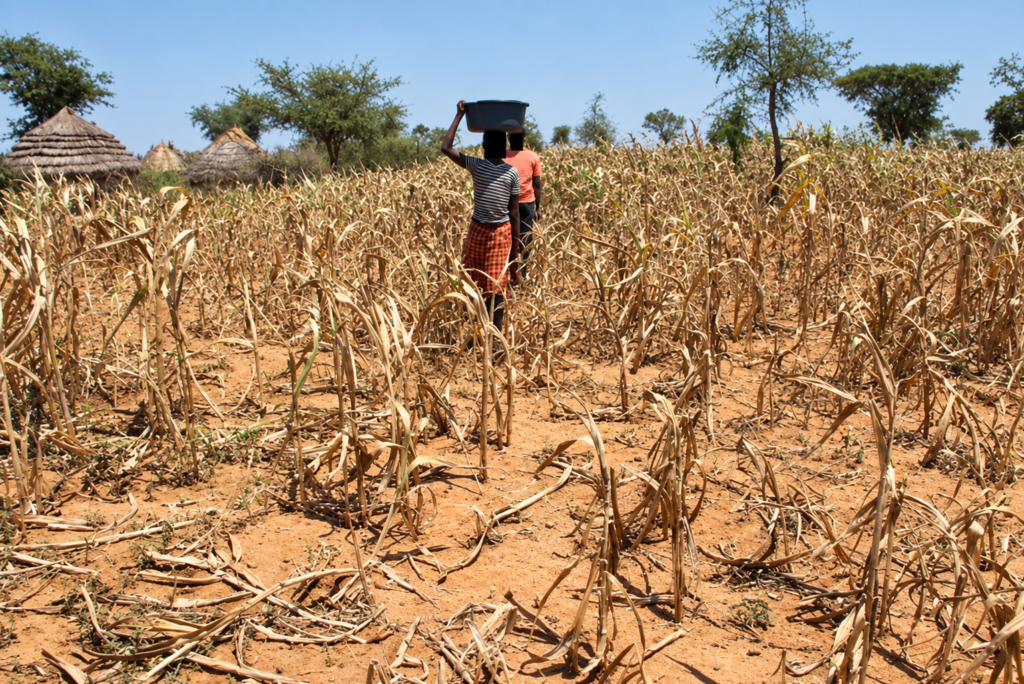
More than 3.6 million Ugandans are facing acute food insecurity, with the number projected to rise to 4.4 million between February and June 2027, according to an October 2026 assessment by the Integrated Food Security Phase Classification (IPC). The findings expose a growing challenge for a country whose economy relies heavily on agriculture: producing food does not guarantee that households can afford it.
The assessment estimates that 235,000 people are already experiencing Emergency-level food insecurity. It also projects that 529,000 children aged six to 59 months and 327,700 pregnant and breastfeeding women will require treatment for acute malnutrition between April 2026 and March 2027. These figures point to a crisis extending beyond food availability to household incomes, nutrition and the resilience of local food systems.
Karamoja remains particularly vulnerable. Approximately 673,000 people, representing 42 per cent of the population assessed, faced Crisis-level food insecurity or worse between August and October 2026. Recurrent dry spells, crop and livestock losses, high food prices and limited purchasing power continue to undermine households’ ability to secure sufficient food. Refugees and low-income urban families face similar pressures because they depend heavily on markets and have limited resources to absorb price increases.
Where is the system breaking down?
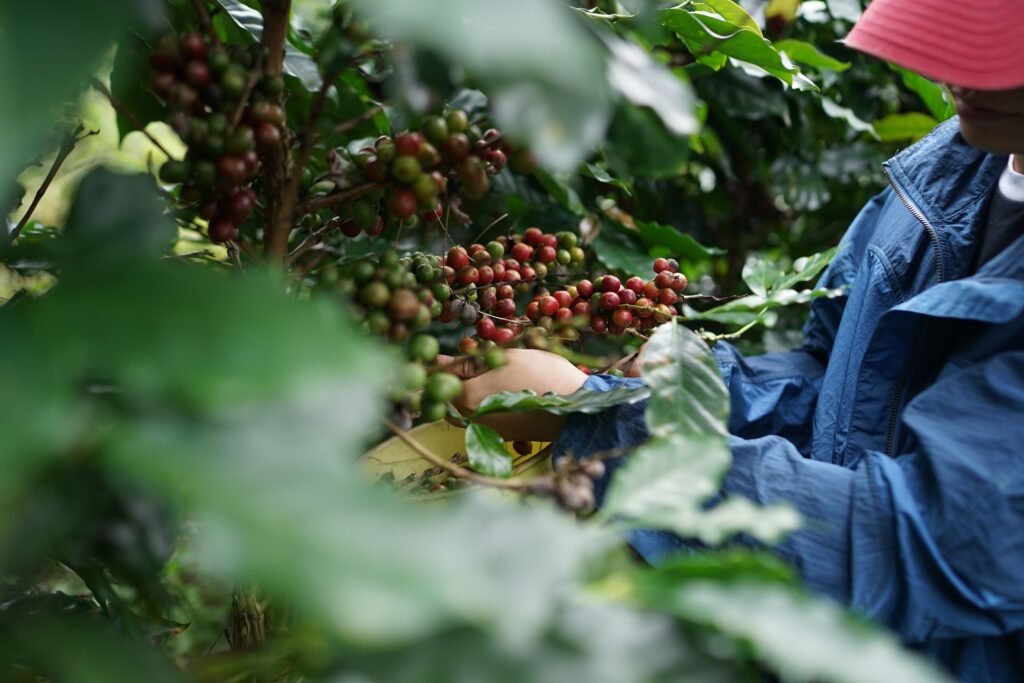
Climate shocks are a major driver, but their impact is worsened by limited investment in irrigation, water harvesting and climate-resilient farming. Farmers who depend on seasonal rainfall can lose both their harvests and income when weather conditions deteriorate. Without reliable weather information, suitable seeds and accessible agricultural extension services, preparing for these shocks becomes difficult.
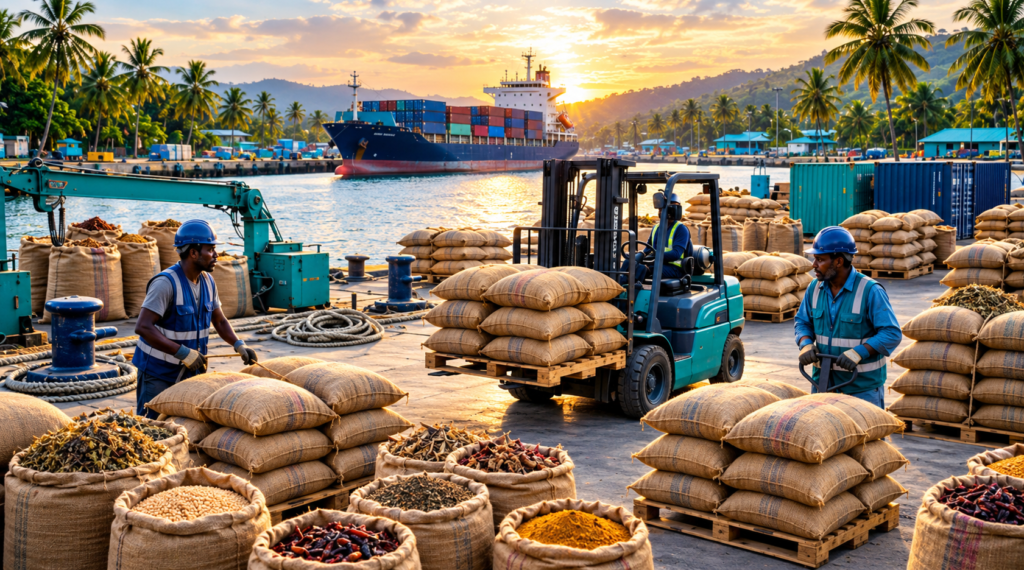
The problem also lies between the farm and the consumer. Smallholder farmers often face inadequate storage, expensive transport and weak bargaining power, forcing some to sell produce soon after harvest when prices may be unfavourable. Later, when household stocks run low, they must buy food at prevailing market prices. Families can therefore experience hunger even in communities where agriculture remains a major livelihood.
For consumers, the central challenge is affordability. When food prices rise faster than household incomes, families may reduce meal sizes or shift to cheaper, less nutritious diets. This is particularly dangerous for children and pregnant women, whose nutritional needs are greater. The IPC’s projected treatment needs for acute malnutrition underline why food security must be addressed alongside access to healthcare, safe water and nutrition services.
UN Resident Coordinator Leonard Zulu has called for urgent action to protect vulnerable households and strengthen food systems, while Prime Minister Robinah Nabbanja has emphasised sustainable interventions that support local food production.
What needs to be done?
The immediate priority is to reach households already facing severe hunger with timely food assistance or cash support, depending on local market conditions. Health facilities and community health workers also need the capacity to identify and treat acute malnutrition early, particularly among children and pregnant and breastfeeding women. Early intervention can prevent households from selling productive assets, accumulating debt or adopting coping strategies that deepen poverty.
Over the longer term, government and development partners should invest in irrigation, water harvesting, climate-resilient seeds, livestock health and agricultural extension services. Better storage facilities, rural roads and market connections would help farmers reduce post-harvest losses and secure better returns. Timely information about weather conditions and market prices can also help farmers make better production and selling decisions.
Support must extend beyond farming communities. Targeted social protection can help low-income urban households and refugees afford food when prices rise, while school feeding and nutrition programmes can protect vulnerable children. These interventions should be guided by reliable food security data so resources reach the districts and communities facing the greatest need.
Government ministries responsible for agriculture, health, water, trade and disaster preparedness must coordinate their responses rather than treat hunger as the responsibility of one sector. Early-warning systems should trigger action before food stocks are exhausted and malnutrition worsens. Public spending and humanitarian assistance should be assessed by whether they improve household food consumption, protect livelihoods and reduce vulnerability to future shocks.
Uganda’s projected increase to 4.4 million people facing acute food insecurity is a warning that requires action before the next lean season. Emergency assistance can save lives, but lasting progress will depend on a food system that helps farmers withstand climate shocks, connects them to reliable markets and ensures households can afford nutritious meals throughout the year.