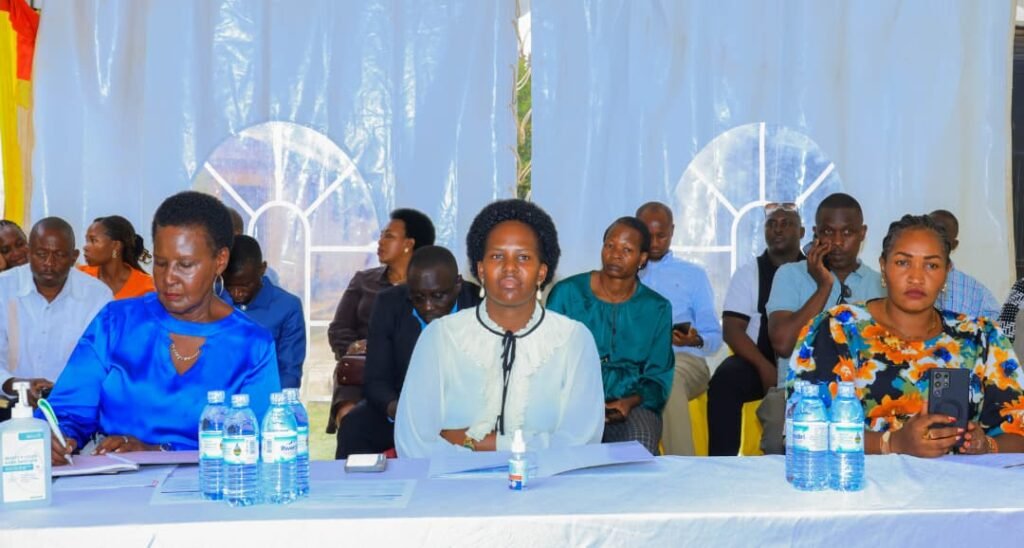

The Ministry of Agriculture, Animal Industry and Fisheries (MAAIF), led by the Minister of State for Animal Industry, Hon. Bright Rwamirama, and Permanent Secretary Maj. Gen. (Rtd) David Kasura-Kyomukama is actively participating in the FAO Global Conference on Sustainable Livestock Transformation in Rome, Italy.
Uganda’s presence at the high-level forum underscores the critical importance of the livestock sub-sector to the nation’s economic and social fabric, particularly in the context of global sustainability and food security.
Held at FAO’s headquarters in Rome until 1 October, the conference convenes FAO Members, policymakers, farmers, private companies, industry associations, civil society representatives, NGOs, researchers, and development agencies to share experiences and showcase actionable solutions for the sustainable transformation of the livestock sector.
Building on the outcomes of the historic First Global Conference in 2023 and subsequent regional forums, this Second Global Conference shifts the focus from dialogue to action. Under the theme Fostering Change, Scaling Innovations, Driving Solutions, the agenda highlights the critical role of livestock in transforming global agrifood systems and holistically ensuring the Four Betters: better production, better nutrition, a better environment and a better life for all.
In his address at the conference, Hon. Rwamirama commended the Food and Agriculture Organisation (FAO) for its long-standing commitment to improving nutrition and promoting sustainable agriculture worldwide.
He specifically acknowledged the “enduring support provided by the FAO in strengthening Uganda’s agricultural and livestock systems.”
Livestock as the Engine of Rural Livelihoods
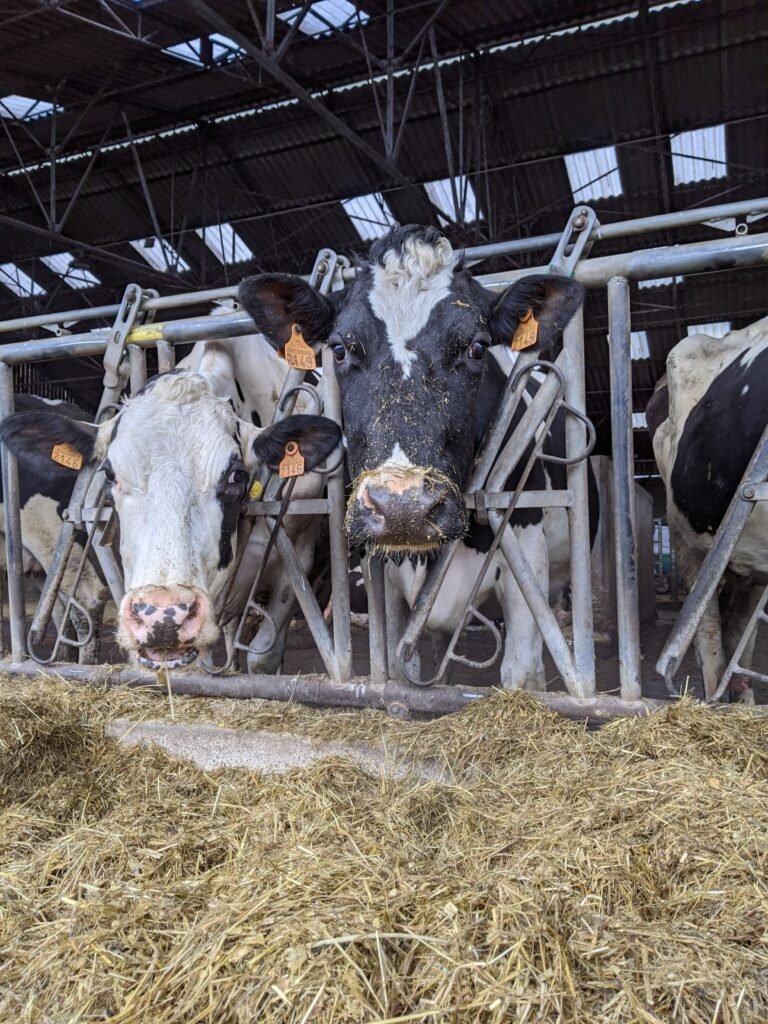
The Minister powerfully reaffirmed the sector’s indispensable role in Uganda, noting that: “Livestock remains central to Uganda’s economy and rural livelihoods providing food, income, employment, and cultural identity.”
This statement positions livestock in Uganda not merely as a commercial activity, but as a deep-seated cultural and socio-economic pillar essential for the stability and prosperity of rural communities.
The participation of the Ministry’s top leadership signals a commitment to integrating global best practices into national policy to maximise the sector’s contribution.
Embracing Sustainable Transformation
The FAO Global Conference served as the platform for the FAO to launch critical new guidelines aimed at fostering a more sustainable global livestock sector. These guidelines focused on two key areas:
Integrating Circular Bioeconomy in Livestock Value Chains
By promoting systems where waste from one process becomes a valuable resource for another, thereby enhancing efficiency and reducing environmental impact.
Ecosystem Services Assessment in Livestock Agroecosystems
Through providing tools to measure and value the contributions of livestock farming to environmental health, such as biodiversity and soil fertility.
By actively engaging with these new frameworks and discussions, Uganda’s delegation aims to acquire cutting-edge knowledge and forge collaborations that will accelerate the sustainable transformation of its own livestock sector, ensuring it can meet the growing demand for food and income generation while protecting natural resources for future generations.