
The Ministry of Energy and Mineral Development (MEMD) on Monday announced the conclusion of its Sustainable Energy Development Programme Performance Review, a pivotal platform used to finalise plans for the National Budget for Fiscal Year 2026/27.
The review, spearheaded by Minister Dr. Ruth Nankabirwa, affirmed the energy sector’s non-negotiable role as the core enabler for Uganda’s long-term socio-economic transformation under Vision 2040 and the subsequent National Development Plans (NDPs).
The Minister’s statement, “I reaffirm energy’s pivotal role as the backbone of Uganda’s industrialisation, job creation, and inclusive growth under Vision 2040,” sets a clear mandate: energy development is not an end in itself, but the catalyst for national prosperity.
From Access to Industrial Power
According to Hon. Nankabirwa, who was speaking at function held in Kampala on the sidelines of the Renewable Energy Conference, Uganda’s development agenda is now transitioning from NDP III to NDP IV (FY 2025/26–2029/30).
She noted that the key theme for the energy sector in this next phase is “From Access to Impact: Powering Uganda’s Transformation through Sustainable Energy.“
Building the Foundation
The Minister highlighted some of the key achievements Uganda has registered in the energy sector, which underscore substantial progress in laying the foundational infrastructure required for industrial take-off. Some of the notable milestones, according to Hon. Nankabirwa include;
Expanded Energy Access
National energy access has reached 60%, a testament to sustained investment in generation, transmission, and distribution networks.
Grid Reliability
Major transmission projects have been completed, significantly strengthening the grid. These include:
Karuma–Kawanda (248km)
Gulu–Kole–Nebbi–Arua (298km)
Opuyo–Moroto (160km)
These projects, she stressed, are crucial for delivering reliable supply to homes, industries, and social institutions across the entire country, reducing downtime, and boosting productivity.
Fueling the Ten-Fold Strategy
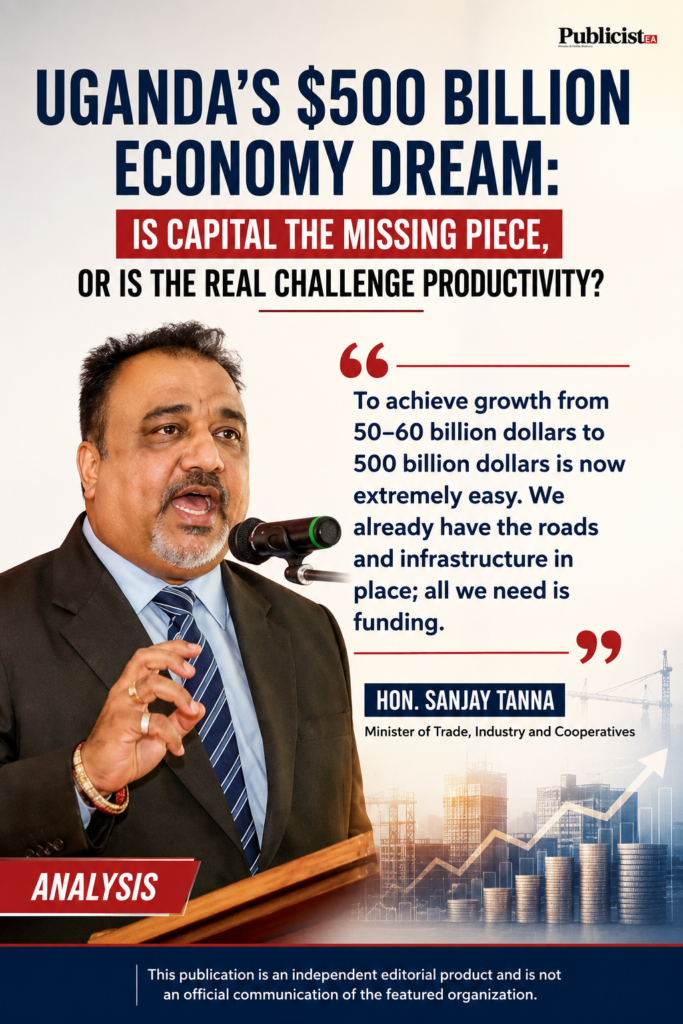
To scale the government’s development ambitions, Nankabirwa said the new phase under NDP IV is designed to directly support Uganda’s ambitious Ten-Fold Growth Strategy, which targets a $500 billion economy by 2040.
To realise this vision, she revealed that the energy sector has set aggressive capacity targets which include:
2030 Generation Target: Scaling generation to 15,420 MW.
2040 Generation Target: Scaling generation to an enormous 52,481 MW.
The Minister however noted that achieving this monumental increase, a huge leap from the current capacity, will require a comprehensive strategy that includes:
Scaling Generation
This shall include aggressive development of both renewable and non-renewable sources, including hydropower, solar, geothermal, and nuclear energy.
Network Modernisation
Through upgrading and expanding transmission and distribution networks to handle the massive new capacity and minimise technical losses.
Off-Grid Solutions
By promoting decentralised energy solutions to ensure affordable and reliable energy for all, particularly for remote or last-mile communities.
Industrialisation and Inclusive Growth
The sheer scale of the planned generation capacity underscores the government’s commitment to a growth model fueled by industrialisation. This is because high-capacity, affordable, and reliable electricity is the single most important input for:
Industrialisation
It is vital for attracting Foreign Direct Investment (FDI), boosting local manufacturing, and enabling the value addition necessary for Uganda’s key economic pillars like agro-industrialisation, mineral beneficiation, and tourism.
Job Creation
Powering industrial and commercial growth creates formal, sustainable jobs for Uganda’s youthful population. The energy sector itself is a major employer, with a strong focus on local content and skilling.
Monetisation of the Economy
Extending the grid and promoting off-grid solutions brings millions of households into the formal money economy, raising overall household incomes and improving the quality of life, which is the core goal of the National Development Plans.
The journey ahead requires unprecedented levels of private sector participation and robust policy support. The Ministry of Energy’s clear roadmap, anchored in the strong leadership of H.E. President Yoweri Kaguta Museveni and the ambitious goals of Vision 2040, signals that Uganda is laying the foundation for a prosperous, self-sustaining future, powered by clean and abundant energy.