Uganda’s new petroleum import arrangement has given the country a more direct role in purchasing fuel. The question now is how that control benefits the wider economy.
For years, Uganda’s fuel largely came through Kenya under an arrangement in which Ugandan oil marketing companies bought petroleum products through supply chains involving traders and companies outside Uganda. The fuel then travelled through the Port of Mombasa, the Kenya Pipeline system and road transport before reaching the Ugandan market.
President Yoweri Museveni has argued that the layers of intermediaries made fuel unnecessarily expensive. The government’s response was to place the Uganda National Oil Company (UNOC) at the centre of importing petroleum products for the country.
That change is sometimes described as a move away from Kenya. In practice, it changed the commercial arrangement more than the physical route. Uganda now has a direct role in procuring fuel through UNOC, while much of that fuel continues to pass through Kenyan infrastructure. A tripartite agreement between Uganda, Kenya and UNOC provides a framework for its transportation through Kenya
The distinction matters. The government’s concern was with the terms on which Uganda bought fuel, not with ending the use of a transport corridor on which the country depends.
Under the new system, UNOC purchases petroleum products for supply to licensed oil marketing companies in Uganda. That gives the state company a position in a trade that it previously helped regulate but did not manage in the same way commercially. It also gives government greater visibility over supply requirements and a means of coordinating imports at scale.
The Ministry of Finance said in its 2025/26 budget speech that, following the start of UNOC’s bulk supply operations in August 2024, Uganda had experienced relative stability in fuel supply and pricing. It estimated savings of up to US$72.8 million a year on fuel imports. Those are government estimates of the arrangement’s benefits; they do not mean that every movement in pump prices can be attributed to UNOC.
For motorists and businesses, the price at the pump remains the most visible test. Buying more directly may reduce costs within the supply chain, but Uganda still pays for the petroleum itself, its transport and storage, financing, taxes and the foreign currency needed to make the purchase. Changes in international prices and the exchange rate can offset savings made elsewhere.
There is also a broader public finance question: what value does Uganda retain from participating directly in the fuel trade, and how is that value used? A stronger commercial position for UNOC could support public revenues and investment in fuel infrastructure. Assessing that gain properly requires clear reporting on trading results, costs and transfers to government. A large trading margin on its own does not show how much consumers saved or how much net value reached the public purse.
Uganda’s continued investment in the Kenyan corridor reinforces the logic of the strategy. UNOC says the government secured a 20.15 percent strategic shareholding in Kenya Pipeline Company. Uganda is therefore seeking a stake in infrastructure that remains important to the movement of its fuel.
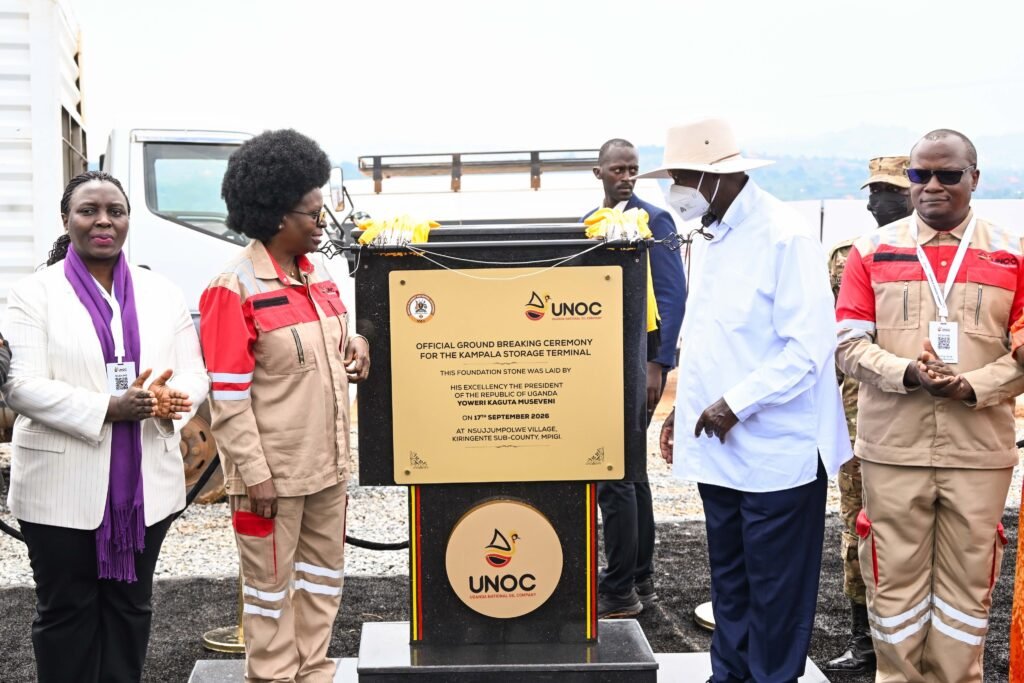
At home, UNOC is pursuing additional storage and logistics projects, including a proposed facility in Mpigi and expansion of the petroleum terminal at Jinja. Greater storage capacity could give Uganda more room to manage interruptions in supply, although the benefits will depend on completing and operating those projects effectively.
Domestic refining, if realised, would address a different part of Uganda’s dependence: where refined products are produced. For now, the import reform concerns how Uganda buys and supplies them.

The country has made a significant shift. Rather than leaving the purchase of fuel entirely within the former supply arrangements, it has given UNOC a direct commercial role while preserving access to the Kenyan route that moves much of the product.
The measure of success will be whether that position delivers reliable supplies, demonstrable value for public finances and competitive prices over time. Those outcomes will tell Ugandans more about the reform than the change in procurement arrangements alone.