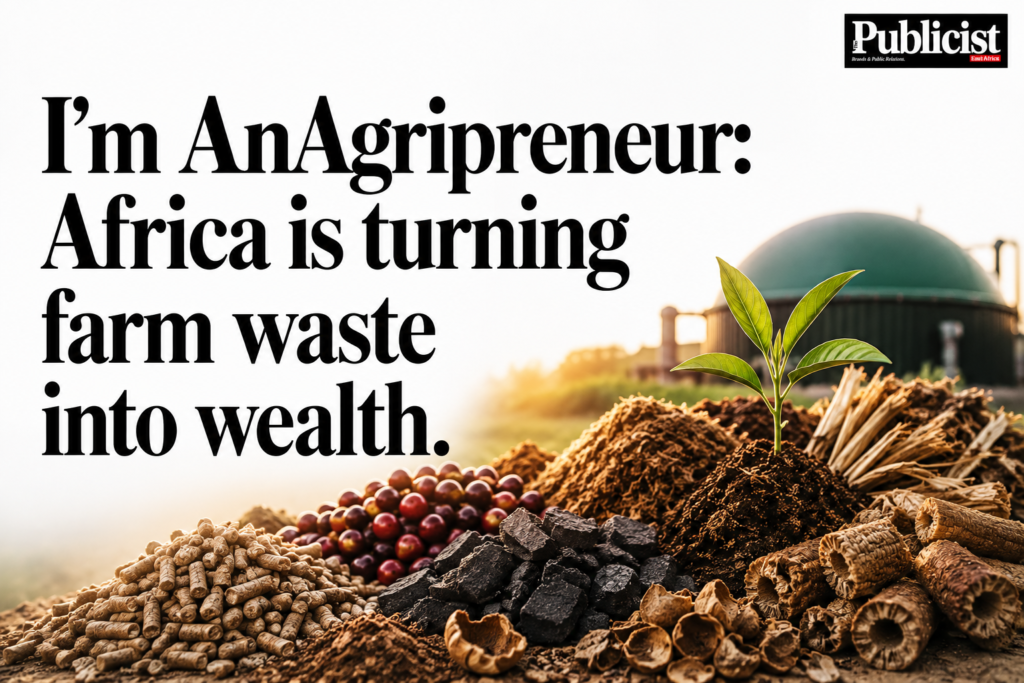
For years, agricultural waste has been treated as the unwanted side of farming: coffee husks left around processing plants, maize cobs discarded after harvest, animal manure accumulating on farms and crop residues burned or left to decompose.
But across Africa, that definition is beginning to change. What was once considered waste is increasingly being treated as an economic resource that can be converted into animal feed, organic fertiliser, biochar, biogas, biomass fuel and other industrial products.
The shift creates a bigger question for African agriculture: if farmers are already producing the raw materials for a bioeconomy, can entrepreneurs build businesses that capture the wealth created from them?
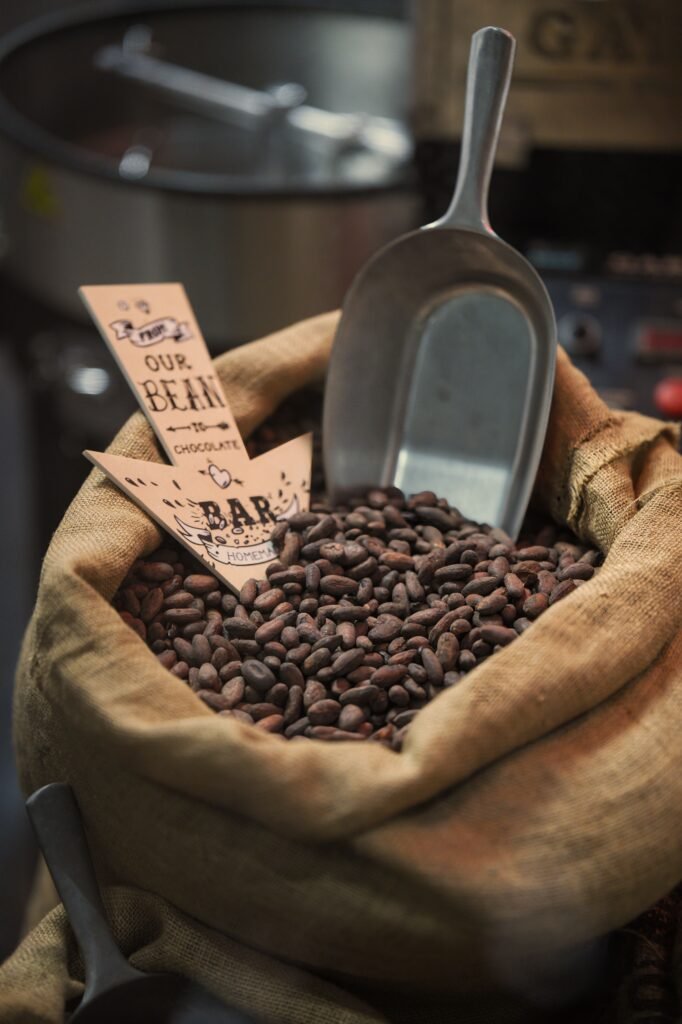
For Uganda, the opportunity is particularly interesting because the agricultural economy is expanding. Coffee offers a useful example. In the 12 months to May 2026, Uganda exported 8.6 million 60-kilogramme bags of coffee worth US$2.3 billion, up from 7.4 million bags worth US$2.1 billion in the previous coffee year, according to the Ministry of Agriculture’s May 2026 report.
The coffee bean is the obvious source of that revenue. But processing also produces coffee husks and pulp that can become inputs for another set of businesses.
That is where the bioeconomy becomes commercially interesting.
Ugandan companies are already showing what this could look like. Kampala Jellitone Suppliers, a coffee processor, buys agricultural waste including coffee husks, rice and groundnut husks and maize stalks and converts them into biomass briquettes for cooking, baking and roasting. The model creates a market for materials that farmers and processors would otherwise struggle to monetise.
Gahoyaa Group has similarly developed briquettes from coffee husks as an alternative to conventional cooking fuels. These businesses illustrate an important shift: agricultural waste is not simply something to dispose of. It can become a feedstock that another business buys, processes and sells.
The same logic is emerging in animal feed. Black soldier fly farming turns organic waste into protein-rich larvae that can be processed into feed for poultry, fish and livestock, while the residue can be used as organic fertiliser. In Uganda, Ento Organic Farm is among the businesses developing this model.
The economics are beginning to attract serious research. A 2025 Makerere University study covering Kampala, Mukono and Wakiso found that small-scale black soldier fly production systems producing less than 200 kilogrammes a week had the highest production efficiency, with a reported one-year payback period. The study also found positive economic benefits from decentralised production, although substrate supply remained one of the biggest constraints to scaling the industry.
Another 2025 Makerere study found that most Ugandan BSF farmers were still operating at small scale, with more than half producing less than 100 kilogrammes of fresh larvae a week. It identified inadequate substrate supply as the main production challenge.
That finding points to the bigger problem facing Uganda’s bioeconomy. The country does not necessarily lack raw material. It lacks organised systems for collecting, aggregating, processing and selling it at scale.
A coffee processor may have tonnes of husks, while another entrepreneur needs that material to run a briquette or biochar business. A market may produce organic waste while a BSF farmer needs a reliable supply of feedstock. A livestock farm may have manure that could support biogas or fertiliser production.
The commercial opportunity lies in connecting those points. That means the bioeconomy is not simply about waste management. It is about a value chain: waste becomes feedstock, feedstock becomes a product, the product finds a market and finance allows the business to scale.
Finance is therefore critical. A business converting coffee husks into briquettes is partly an agricultural enterprise and partly a manufacturing and energy business. A BSF company sits between waste management, agriculture and animal feed. A biochar enterprise may also fit into the emerging climate-finance market.
Traditional agricultural lending is not always designed around such businesses, even though they can create new markets for farmers and reduce costs elsewhere in the agricultural value chain.
Uganda is beginning to develop financing mechanisms that could help close this gap. The Ministry of Finance launched Uganda’s first National Green Taxonomy in September 2025, providing a framework for identifying economic activities that contribute to environmental sustainability, climate goals and circular-economy objectives.
Uganda Development Bank has also committed UGX50 billion to its Climate Finance Facility, which uses instruments including debt, equity, asset finance, guarantees and grants to support low-carbon and climate-resilient investments. The facility is specifically designed to address problems such as high start-up costs and long payback periods associated with green investments.
The opportunity could become even more significant as Uganda develops its climate-finance market. In October 2025, Uganda secured US$31 million from the Green Climate Fund for verified emissions reductions from forest conservation, demonstrating that climate-related value can increasingly attract international finance.
But agricultural-waste businesses cannot depend on climate finance alone. The real test remains commercial. Can a coffee processor make more money by selling its husks than by disposing of them? Can a briquette producer sell fuel at a competitive price? Can a poultry or fish farmer reduce feed costs using locally produced insect protein? Can an entrepreneur secure enough waste to keep a processing plant operating throughout the year? And can a bank finance the business because it has reliable customers and predictable cash flows?
Those questions matter because Uganda risks creating another collection of promising green projects that never reach industrial scale.
The answer will depend on building the infrastructure around the entrepreneurs: aggregation centres, storage, transport, processing equipment, standards, reliable markets and financing.
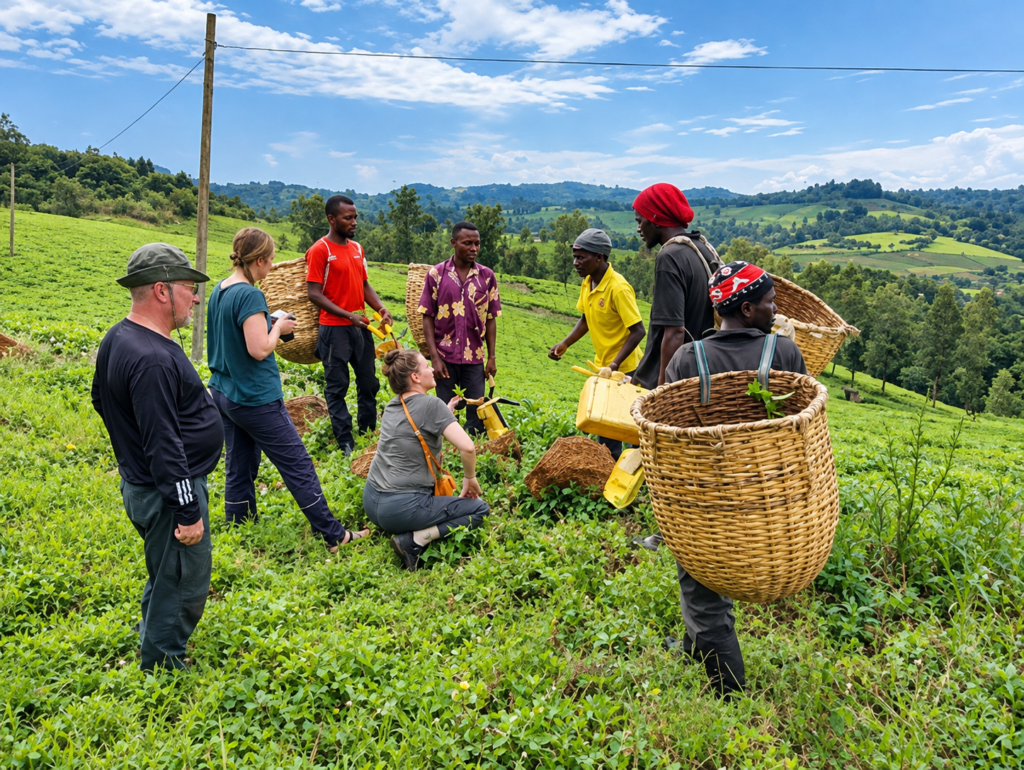
This is also where the African agripreneur comes in. The next agricultural entrepreneur may not simply be the farmer who produces more tonnes per acre. It could be the entrepreneur who connects farmers to markets for everything that previously had little or no value.
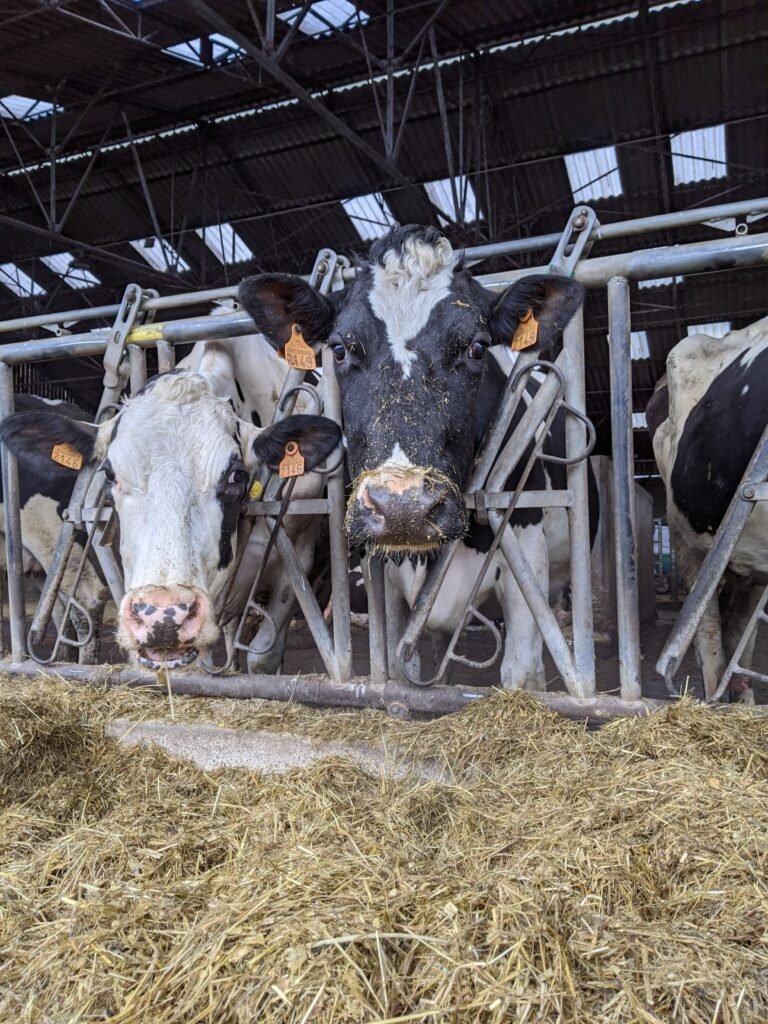
A coffee farmer sells the bean, while another business earns from the husk. A livestock farmer produces meat and milk, while another entrepreneur turns manure into fertiliser or biogas. Organic waste becomes insect protein, while the residue becomes fertiliser.
The same agricultural activity can therefore create several businesses and several revenue streams. That could change the way Uganda thinks about agricultural transformation. The country does not necessarily need to find another crop to export or simply produce more of the crops it already grows. It can also extract more value from what those crops leave behind.
Africa is beginning to discover that what it throws away can become what it sells. Uganda already has much of the raw material needed to participate in that economy. What it needs now is the infrastructure, capital, technology and entrepreneurial businesses capable of turning agricultural residues into products, industries and wealth.
The next agricultural opportunity may not be in growing more. It may be in learning how to waste less, and earn more from what we already grow.
Editor’s Note: This article is part of the I’mAnAgripreneur thought leadership series by Publicist East Africa, exploring the ideas, policies, market innovations and investment opportunities shaping the future of agriculture, agribusiness and industrialisation across East Africa.