Uganda’s cocoa industry is growing rapidly, but the bigger opportunity may lie in what happens after the beans leave the farm.
The country exported 72,545 tonnes of cocoa worth US 620.76 million in the financial year 2024/25, up from 51,678 tonnes valued at US 217.89 million a year earlier. The jump has strengthened cocoa’s position among Uganda’s agricultural exports and created a larger commercial opportunity for farmers, traders and processors.
Yet much of Uganda’s cocoa still leaves the country as raw beans. That leaves a gap in the value chain, and an opportunity for entrepreneurs willing to take the commodity further.
Gloria Wendy Musiimenta’s journey with Nile Chocolate Uganda offers a glimpse of what that opportunity can look like. After training in chocolate making in Belgium, she returned to Uganda in 2021 and began experimenting with chocolate production at Kyambogo University. She started with a small grinder and about Shs5 million in savings and shareholder contributions before moving into a shared facility at the university’s Business Incubation Hub.
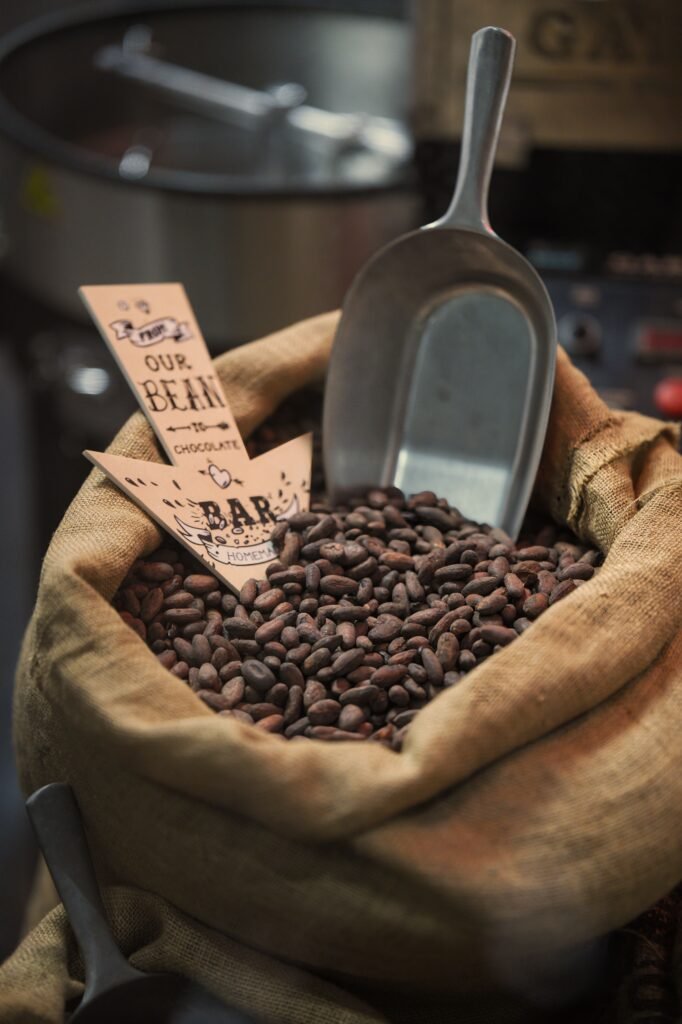
The business grew into a bean-to-bar producer making chocolate and other cocoa products from Ugandan beans.
Her story is significant because value addition changes the economics of a commodity. Instead of earning only from the sale of cocoa beans, businesses can create additional value through processing, packaging, branding and distribution.
Uganda’s trade figures suggest there is room for that to happen.
In 2024, the country imported US 4.55 million worth of chocolate and other food preparations containing cocoa, while exports in the same category were about US 631,000. The figures cover a different period and trade category from raw cocoa exports, so they cannot be compared directly. But they illustrate a wider imbalance: Uganda is producing large quantities of cocoa while importing finished cocoa products.
That gap represents a market opportunity for local manufacturers.
Nile Chocolate Uganda is among the businesses attempting to capture part of that value locally. Its range has extended beyond chocolate bars to products such as cocoa powder and baking chocolate, demonstrating how a processor can build several revenue streams around the same agricultural commodity.
The opportunity, however, is more complicated than simply buying beans and turning them into chocolate.
For a small processor, the costs begin long before a finished product reaches a supermarket shelf. Equipment, packaging, certification, quality control, distribution and working capital all require capital. Market access can be equally challenging, particularly when businesses supply retailers that may take time to pay.
That means value addition is not simply a manufacturing challenge. It is a business model challenge.
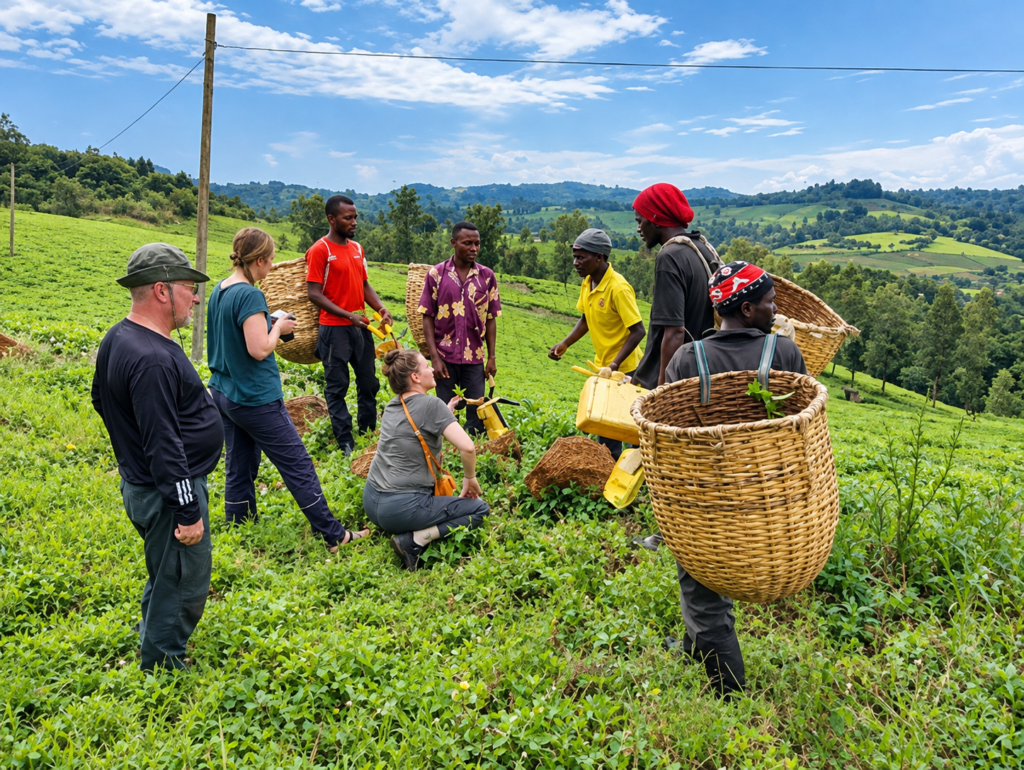
The quality of the raw material also matters. Bean-to-bar production depends heavily on the quality, maturity and fermentation of the cocoa purchased from farmers. For processors, building reliable relationships with farmers therefore becomes part of maintaining a consistent product.
Uganda has also developed standards covering cocoa beans, cocoa powder, cocoa butter and chocolate products. Compliance gives processors a pathway into formal retail and institutional markets, while certification can help consumers distinguish locally produced products from informal alternatives.
But certification alone does not guarantee a market. A processor still has to convince consumers to buy the product, secure distribution and compete with established imported brands. Businesses therefore need to understand where their products fit, whether in supermarkets, hotels, coffee shops, events, corporate gifting or export markets.
There is evidence that Ugandan processed cocoa is already finding buyers beyond the domestic market.
In 2024, Uganda exported more than 116,000 kilogrammes of chocolate and other cocoa preparations worth about US$631,000. The products reached markets including the Democratic Republic of Congo, South Sudan, Switzerland, the United Arab Emirates and Kenya.
Those numbers remain small compared with Uganda’s raw cocoa exports. But they show that the country can move cocoa beyond the farm and into higher-value products with markets at home and abroad.
For agripreneurs, that is where the opportunity becomes more interesting. Uganda does not have to choose between exporting cocoa beans and processing them locally. The two markets can grow alongside each other. But as production increases, a larger domestic processing industry could allow more businesses to earn from the commodity before its value leaves the country.
That could mean chocolate manufacturers, cocoa ingredient producers, packaging companies, confectionery businesses, exporters and brands built around Ugandan cocoa.
The potential is not limited to large factories. Musiimenta’s early experience shows how a small enterprise can begin with technical knowledge, limited capital and access to shared facilities before developing a commercial product.
The bigger challenge now is creating an environment in which more entrepreneurs can make that journey.
Uganda already has the farmers, the raw material and an established international market for cocoa. What is still developing is the ecosystem around the bean, the processors, brands, technology, finance, skills and distribution networks capable of turning a growing agricultural export into a deeper domestic industry.
Cocoa’s success should therefore not be measured only by how many tonnes Uganda exports.
It should also be measured by how many businesses can be built around those tonnes, how many jobs are created after the harvest and how much more value can remain in Uganda before the final product reaches the consumer.