For Robert Matsiko, animal feed started with a problem many Ugandan livestock farmers knew too well, finding reliable, locally produced feed was difficult.
In 1995, after losing his job at the Ministry of Agriculture, Animal Industry and Fisheries, Matsiko returned to an idea he had encountered while working as a poultry assistant. Farmers in western Uganda kept cattle and poultry but often travelled as far as Jinja to buy feed.
With a retrenchment package of Shs140,000, he partnered with Francis Nuwarimpa, who fabricated a small feed-milling machine. They began producing poultry, piggery and dairy feeds from rented premises, working at night and selling during the day.
Published profiles of Matsiko have traced the growth of that enterprise, Numa Feeds, from production of about 100 kilogrammes a day to a reported capacity of 150 tonnes a month. One profile valued the business at approximately Shs3 billion, although the valuation and production figures require current confirmation.
More than three decades after it began, Matsiko’s story illustrates how a gap in agricultural supply can become a business in its own right.
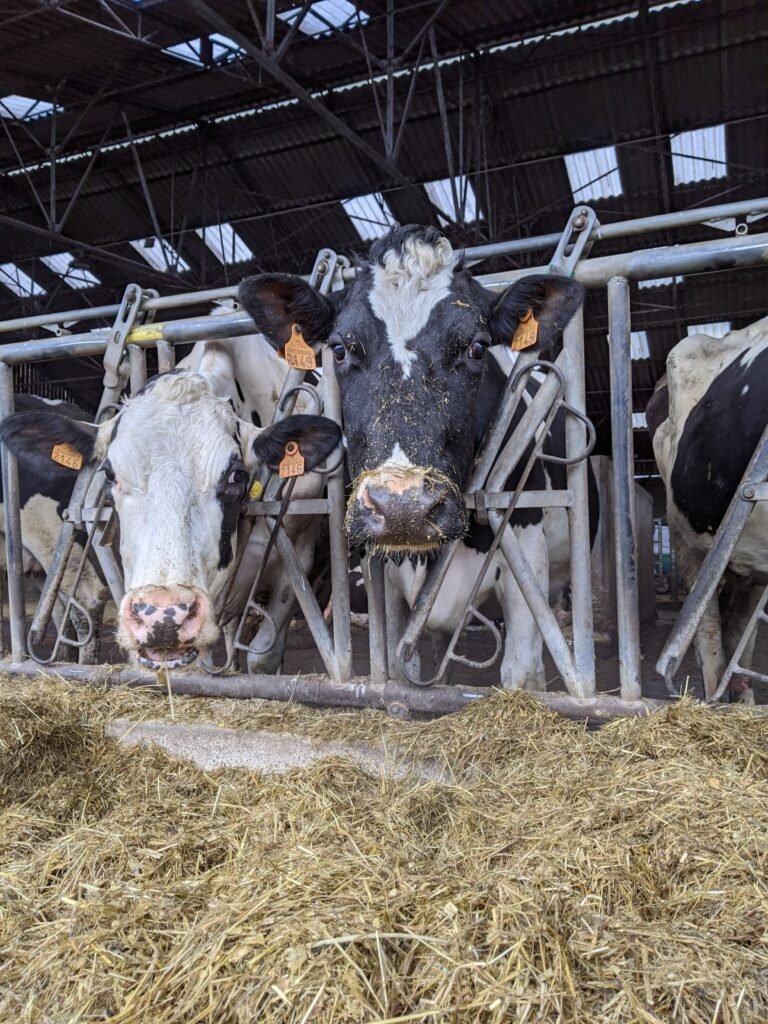
Uganda’s livestock sector provides a substantial market. According to the Ministry of Agriculture, Animal Industry and Fisheries, the country had approximately 14.7 million cattle, 17.5 million goats, 7.1 million pigs and 58.3 million chickens in 2024. The subsector grew by 8.8% in the financial year 2024/25, with value addition reaching Shs10.08 trillion, equivalent to 4.5% of GDP.
As livestock production becomes more commercial, demand for dependable poultry, dairy, piggery and fish feeds creates opportunities for manufacturers and businesses supplying the ingredients they need.
The Food and Agriculture Organization’s Hand-in-Hand investment analysis for Uganda identifies animal feed production, including poultry feed, pig feed, dairy meal, hay and silage, as areas for investment. It proposes approximately $230 million in investment in feed facilities, with an estimated 3.2 million people potentially benefiting.
The analysis also points to feed shortages of up to 70%. However, the precise feed categories and demand assumptions behind that estimate need to be established before it can be treated as the size of Uganda’s commercially viable market.
For entrepreneurs, the opportunity does not necessarily begin with building a factory. Feed manufacturers depend on consistent supplies of maize, maize bran, soya, sunflower cake and other ingredients. Businesses can therefore enter the value chain through farming, aggregation, storage, processing or distribution.
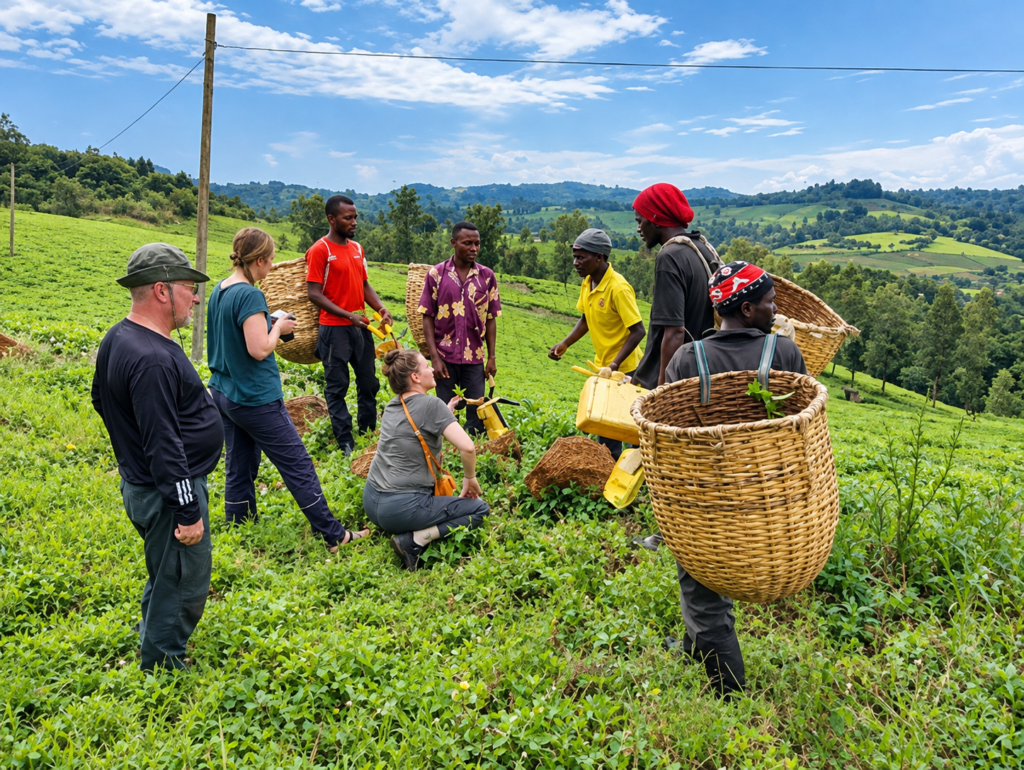
Numa Feeds has reportedly worked with farmer groups to improve agricultural practices, post-harvest handling and the bulking of raw materials. Such arrangements can help manufacturers secure supplies while giving farmers access to a more organised market.
There is also potential beyond Uganda. In 2025, members of the African Women in Animal Resources Farming and Agribusiness Network reportedly secured an agreement to supply 26 metric tonnes of animal feed to Kenya each week, with consignments valued at about $50,000. The agreement illustrates the possibility of regional trade, although the quantities and value of completed deliveries would need separate confirmation.
Expanding production alone will not guarantee a competitive feed industry. Poor-quality feed can undermine livestock productivity, waste farmers’ money and weaken confidence in commercial products.
A 2025 Makerere University study examining selected animal feeds and concentrates sold in Kampala found that 48.3% of the samples tested positive for aflatoxins. The finding raises concerns about contamination and the handling and storage of feed ingredients. However, a positive test does not automatically mean that a sample exceeded the applicable safety limits, and the results should not be generalised to all animal feeds sold in Uganda.
For manufacturers, controlling moisture, preventing mould and testing raw materials are important parts of production. Quality assurance also requires consistent formulations so that farmers can rely on the nutritional value of the feed they buy.
This makes quality control a commercial concern as much as a regulatory one. A manufacturer that supplies consistent feed has a stronger basis for building long-term relationships with farmers and distributors.
In Jinja, Grace Kyarimpa’s AgroDiverse provides an example of how entrepreneurs can approach the market without relying entirely on conventional ingredients.
The enterprise uses resources including black soldier fly larvae, earthworms, snails and Azolla to develop alternative animal feed. A 2025 profile reported that it was producing approximately two tonnes of alternative feed weekly and more than 800 kilogrammes of black soldier fly larvae a week.
Black soldier fly larvae can provide protein for poultry, pigs and fish, while suitable organic waste can serve as an input for production. The model creates a potential link between waste management and livestock feeding, although commercial expansion depends on reliable production, nutritional consistency and appropriate safety controls.
For smaller agribusinesses, specialised ingredients and alternative protein sources offer another route into the feed value chain. They can complement conventional feed production rather than having to compete directly with established manufacturers.
Uganda’s livestock economy creates demand for feed, but demand alone does not guarantee profitable investment. Entrepreneurs must establish which farmers they can serve, what those farmers can afford and whether raw materials can be sourced consistently at competitive prices.
The reported import bill for animal feed also points to a potential supply gap. A World Bank analysis cited in the original reporting put imports at approximately 134 million kilogrammes, worth $101 million, in 2023. However, the customs category covered by those figures needs clarification before the value can be interpreted as a market that domestic feed mills could replace.
The commercial test is whether local producers can supply the right products, at the right quality and price, when farmers need them. That requires reliable inputs, formulation expertise, storage, electricity, transport and effective distribution.
For prospective agripreneurs, the entry point could be a feed mill, a maize aggregation business, silage production, specialised ingredients or alternative protein. Each requires a clear understanding of costs, customers and quality requirements.
Matsiko’s experience shows how recognising a supply problem can provide the starting point for a business. Uganda’s expanding livestock sector offers further opportunities, but the strongest businesses will be those that convert demand into affordable, consistent and dependable feed.