
Uganda cannot determine the international price of oil or the value of the US dollar, but it can reduce the avoidable costs that turn currency depreciation into more expensive fuel, transport and household goods. The Bank of Uganda’s emergency measures have bought the country some room to respond. The bigger test is whether Uganda can make its petroleum supply chain more transparent and less costly.
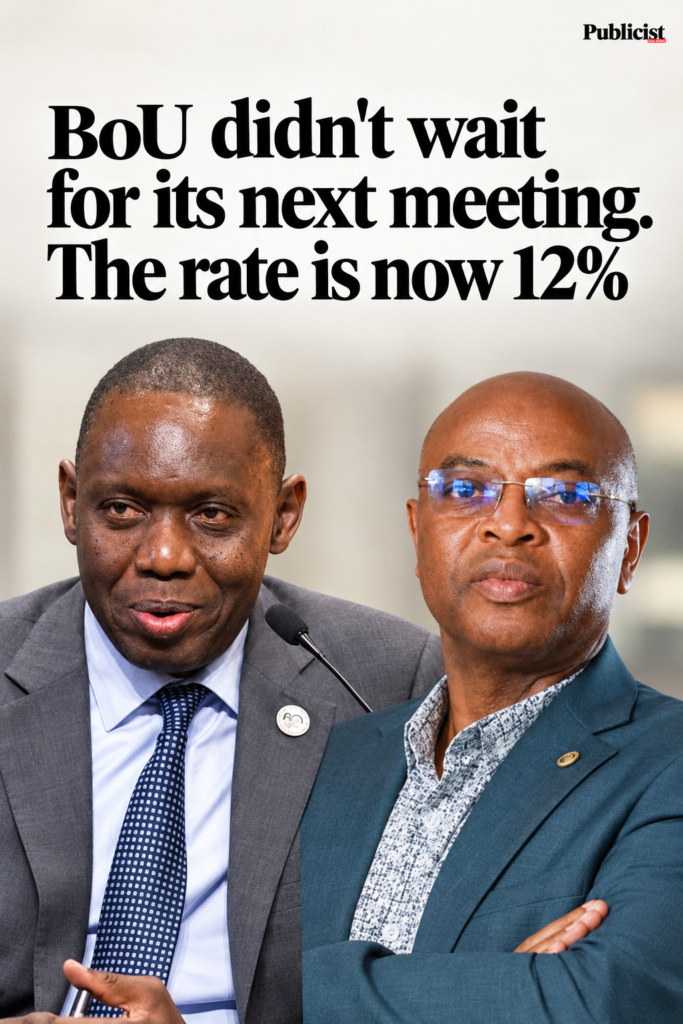
On October 14, the Bank of Uganda (BoU) raised its Central Bank Rate (CBR) by 225 basis points, from 9.75% to 12%, in its largest increase since October 2011. A day earlier, the shilling was trading around Shs3,990–4,000 against the dollar, after weakening beyond Shs4,100 earlier in October. The central bank also returned to direct foreign-exchange market intervention, selling approximately $30 million (Shs120 billion) on October 14 to ease pressure on the currency. Reuters reported on October 15 that the shilling remained vulnerable to strong dollar demand and elevated energy costs.
These measures address different parts of the problem. Higher interest rates are intended to contain inflation, moderate demand and support confidence in the shilling, although they can also raise borrowing costs for businesses and households. Selling dollars can provide immediate liquidity and temper disorderly market movements, but it cannot permanently resolve a shortage of foreign exchange. The BoU has also reported that its foreign-exchange reserves increased by 56% in the year to June 2026, strengthening its financial buffer without eliminating the need for prudent reserve management.
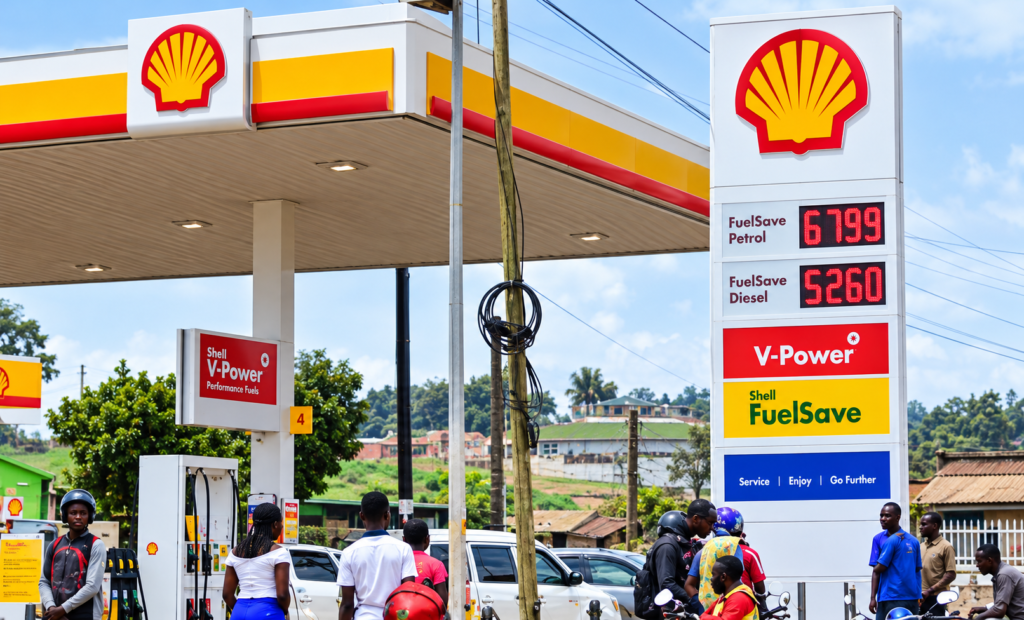
The pressure reaches consumers through fuel. Parliament was told in October that petrol and diesel were selling at between Shs6,800 and Shs7,000 per litre in some areas. Energy Minister Monica Musenero attributed the increases to shilling depreciation, international supply pressures and a Shs200 excise-duty increase introduced in the 2026/27 financial year. With Uganda importing most of its petroleum, a weaker shilling increases the local-currency cost of fuel even when the dollar price remains unchanged. Higher international oil prices, shipping and insurance costs, taxes and domestic distribution expenses can compound the increase.
Fuel is also an input into almost every part of the economy. More expensive diesel raises the cost of transporting food, agricultural produce, raw materials and manufactured goods. Businesses may absorb some of these increases, but many eventually pass them on to consumers. The result is that currency depreciation can weaken household purchasing power even for people who never buy fuel directly.
Uganda’s increased reliance on the Uganda National Oil Company (UNOC) for bulk petroleum procurement was intended to strengthen its position in the market and improve supply security. However, centralised procurement does not automatically guarantee cheaper fuel. The important question is whether any savings achieved through bulk purchasing reach oil marketing companies and, ultimately, motorists.
That is why Parliament’s demand for a breakdown of UNOC’s fuel prices matters. Government should regularly disclose the major components of the supply chain, including international purchase costs, freight, insurance, financing, storage, handling, transport, taxes and supplier and retail margins. Kenya’s Energy and Petroleum Regulatory Authority publishes a petroleum pricing formula that provides a useful regional reference. Uganda need not copy its system, but it should make domestic fuel-price formation easier to understand and scrutinise.
Greater transparency would help regulators distinguish unavoidable international costs from domestic inefficiencies and identify possible excessive margins or anti-competitive practices where evidence supports such action. It would also allow the public to assess whether the new procurement arrangement is delivering measurable benefits.
The government must also recognise the limits of monetary policy. A higher CBR can help contain inflation expectations, but it cannot directly reduce international oil prices or remove structural demand for dollars. More expensive credit may also constrain investment by manufacturers, traders and other businesses already facing rising operating costs. Sustainable foreign-exchange resilience requires stronger and more predictable inflows from exports, tourism, investment and other productive sectors, alongside efficient management of imports and external obligations.
Over time, better fuel storage, transport infrastructure and logistics can reduce avoidable supply costs. More efficient public transport, commercially viable rail freight and electric mobility can gradually reduce petroleum dependence in parts of the economy, although none offers an immediate solution to today’s price pressures. Temporary tax relief may help during exceptional shocks, but it must be assessed against its fiscal cost and the risk of subsidising fuel consumption without delivering lasting benefits.
Uganda now has a clear test for its response to the shilling’s decline. The BoU must manage inflation and currency-market volatility without undermining credit and economic activity. Government must improve foreign-exchange earnings and reduce avoidable import and distribution costs. UNOC and the petroleum regulator must demonstrate whether the new procurement model is delivering savings.
Uganda cannot control the dollar. But it can control how efficiently it buys fuel, how transparently it prices it and how much unnecessary cost stands between the international market and the consumer. That is where the country should measure the success of its response.