
A bag of coffee labelled Bugisu, Rwenzori or Mount Elgon tells buyers more than where the product comes from. It identifies its origin, carries a story and, increasingly, gives consumers a reason to pay a premium. For Uganda’s coffee entrepreneurs, this presents an opportunity to build businesses around the country’s rich coffee-growing regions and capture more value from a product already in demand internationally.
The opportunity is becoming more visible as Uganda expands its reach into new markets. Uganda’s Consulate General in Guangzhou reported that coffee exports to China had increased by 224 per cent in one year. During a business engagement in Guiyang, Chinese buyers also expressed interest in sourcing directly from Ugandan exporters rather than relying on intermediaries.
For local entrepreneurs, this growing interest could open doors to businesses focused on processing, roasting, packaging and branding coffee for international consumers. Rather than concentrating mainly on exporting raw beans, Ugandan businesses can develop products that carry the identity of the regions where the coffee is grown.
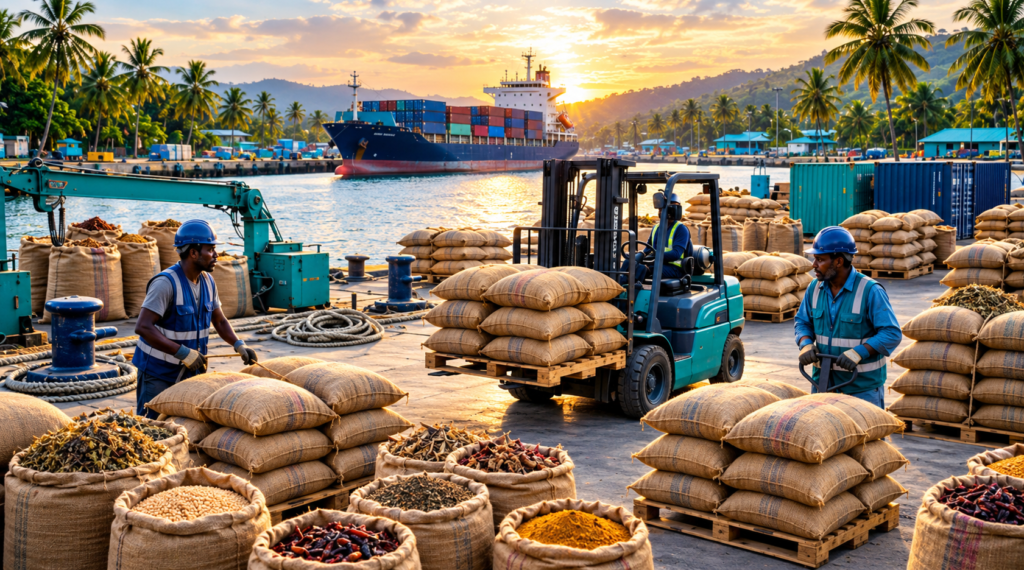
According to the Ministry of Agriculture, Uganda exported approximately 8.2 million 60-kilogramme bags of coffee worth US$2.3 billion during the 2024/2025 coffee year. Yet, the International Labour Organization’s 2024 report, Mapping the Coffee Value Chain in Uganda, estimates that approximately 95 per cent of the country’s coffee is exported in green, unroasted form.
This means much of the roasting, packaging and retail branding takes place outside Uganda, limiting the value local businesses capture from a product grown by millions of Ugandan farmers.
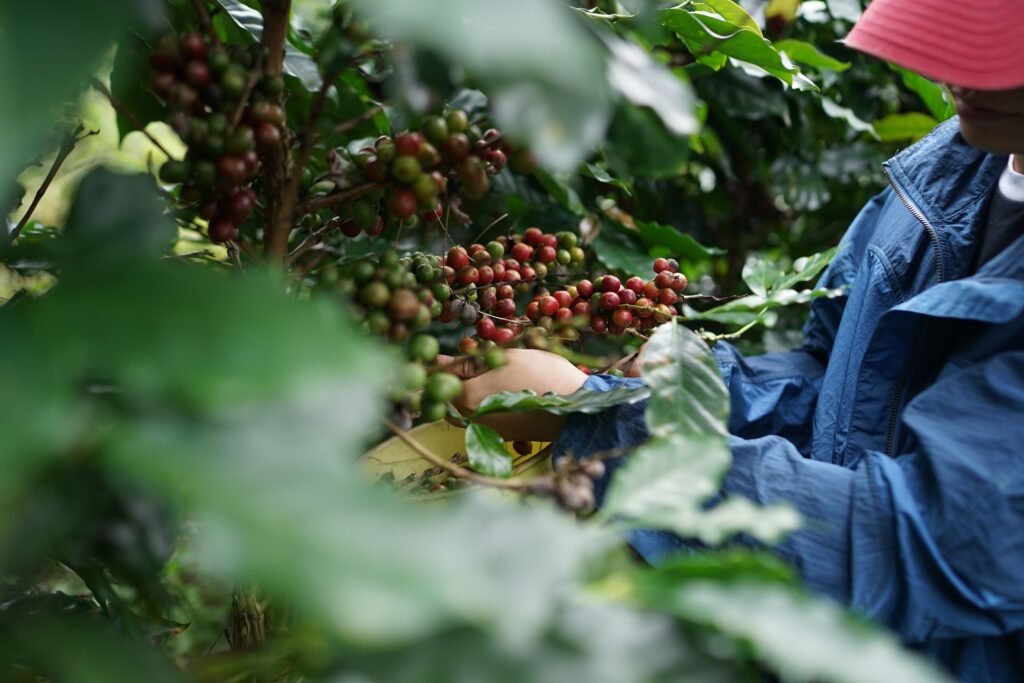
Andrew Rugasira, founder of Good African Coffee, recognised this opportunity early. Established in 2003, the business set out to connect Ugandan farmers with international consumers through locally branded and processed coffee. Rugasira explained how the company worked with farmers in Kasese to improve quality and establish a reliable supply of Arabica coffee. He reported that the business had grown to work with more than 14,000 farmers organised into 280 producer groups.
Good African Coffee’s experience demonstrates that Ugandan businesses can compete in international markets beyond supplying raw agricultural commodities. It also highlights the importance of building reliable relationships with farmers and maintaining quality throughout the supply chain.
The next opportunity lies in developing premium, single-origin products. These coffees are sourced from identifiable geographical areas, farms or producer groups rather than blended from multiple origins. Uganda’s Arabica-growing regions around Mount Elgon and the Rwenzori Mountains offer opportunities for distinct product identities, while the country’s widely grown Robusta also presents possibilities for specialised processing and branding.
However, building a premium coffee brand requires more than attractive packaging. Buyers need confidence in the product’s origin, quality and consistency. Exporters must maintain records showing where coffee was grown, when it was harvested, how it was processed and how it moved through the supply chain.
For entrepreneurs, this creates opportunities to invest in digital traceability, farmer registration, quality testing and organised sourcing arrangements. The ILO estimates that Uganda has between 1.7 million and 1.8 million smallholder coffee farmers, making stronger coordination between producers and buyers essential to developing a reliable supply of quality coffee.
The growing Chinese market could accelerate this transition. Direct relationships with importers, roasters and distributors would give Ugandan businesses opportunities to negotiate better supply arrangements and explore jointly developed coffee products. Uganda’s Consul General in Guangzhou, Ambassador Judyth Nsababera, has encouraged partnerships that go beyond raw coffee exports, urging Ugandan producers and Chinese businesses to develop products that preserve Uganda’s identity as a coffee origin.
Still, export growth alone does not guarantee higher incomes for farmers or stronger profits for local processors. Entrepreneurs must contend with financing, processing costs, international quality requirements, logistics and access to distribution networks. Building a premium brand also requires sustained investment in marketing and consumer trust.
For Ugandan entrepreneurs, the opportunity is to turn the country’s coffee-growing heritage into products that command greater value in international markets. As demand grows, businesses that combine reliable farmer relationships, consistent quality and strong branding will be better positioned to compete beyond the raw bean market.