Uganda has spent years asking how farmers can produce more. The more important question now is whether they can capture more of the value created by what they produce.
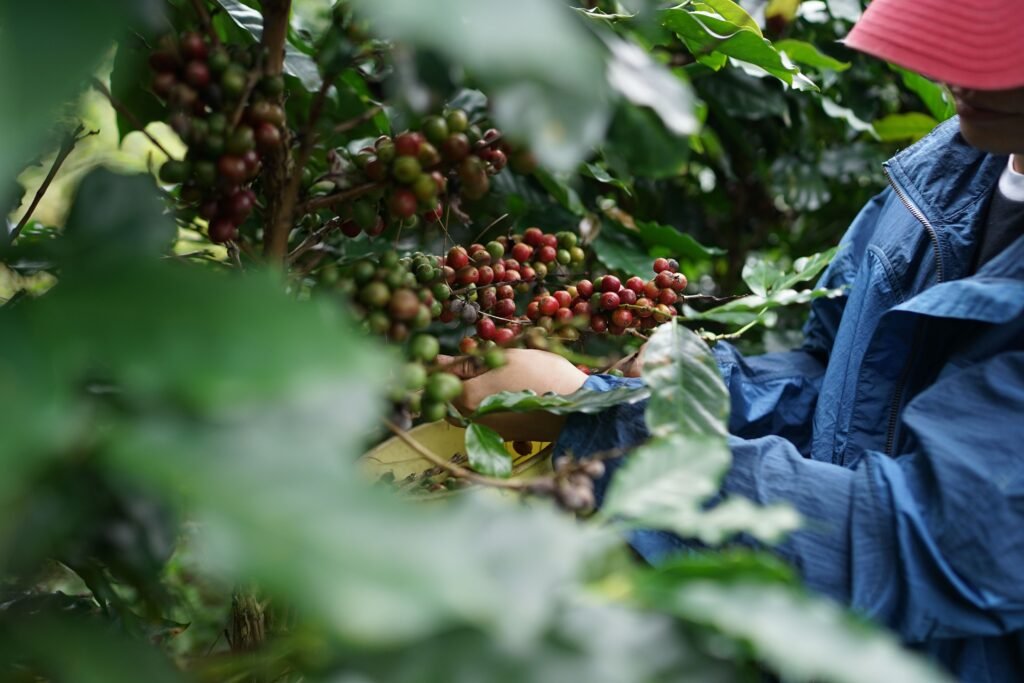
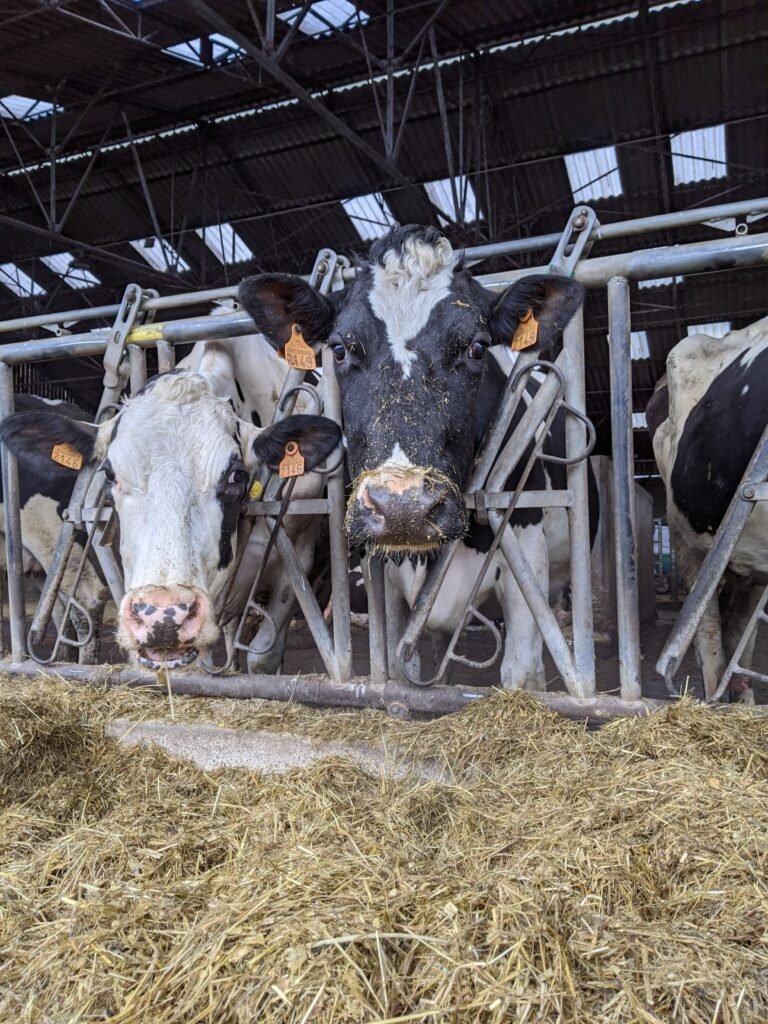
A coffee farmer may sell beans that are eventually processed, packaged and sold as premium coffee abroad. A beekeeper may sell honey that becomes a certified consumer product, while a dairy farmer may supply milk that is turned into yoghurt, milk powder or another branded product. At every stage, value is added, but so is the price. The question is who owns that value.
This is becoming increasingly important as Uganda’s agricultural exports grow. Coffee, for example, generated about US$2.1 billion from 7.4 million 60-kilogram bags exported between October 2024 and August 2025, according to the Uganda Coffee Development Authority (UCDA) Yet export growth alone does not tell us how much of the value created along the journey is captured by farmers and Ugandan-owned businesses.
The difference between a commodity and a branded product is important here. A commodity is largely traded according to price, quality and prevailing market conditions. A brand adds other forms of value: consistent quality, certification, packaging, distribution, customer relationships and trust. Those assets can allow a product to command a premium and, more importantly, give the owner greater control over the market.
Uganda’s coffee sector illustrates the opportunity. In August 2025, UCDA recorded an average Arabica export price of US$6.30 per kilogram, while Mt Elgon A+ reached US$9.42 per kilogram. These are export prices, not what farmers necessarily received, but they demonstrate how differentiation and quality can influence value further along the chain. The premium does not appear simply because a farmer grows good coffee. It requires aggregation, processing, grading, certification, logistics and access to buyers willing to pay for differentiated coffee.
That is why moving farmers up the value chain should not be interpreted as asking every smallholder to become a manufacturer or launch a consumer brand. For most farmers, the more realistic model is collective ownership and participation through cooperatives, producer organisations and farmer-owned enterprises.
Bushika Integrated Area Cooperative Enterprise in Bududa demonstrates this approach. The farmer-owned cooperative has more than 2,000 members across 16 primary societies and operates across coffee, dairy products, honey and banana wine. Its significance is not simply that farmers are producing commodities. It shows how organised producers can create enterprises capable of taking agricultural products further towards processing and markets.
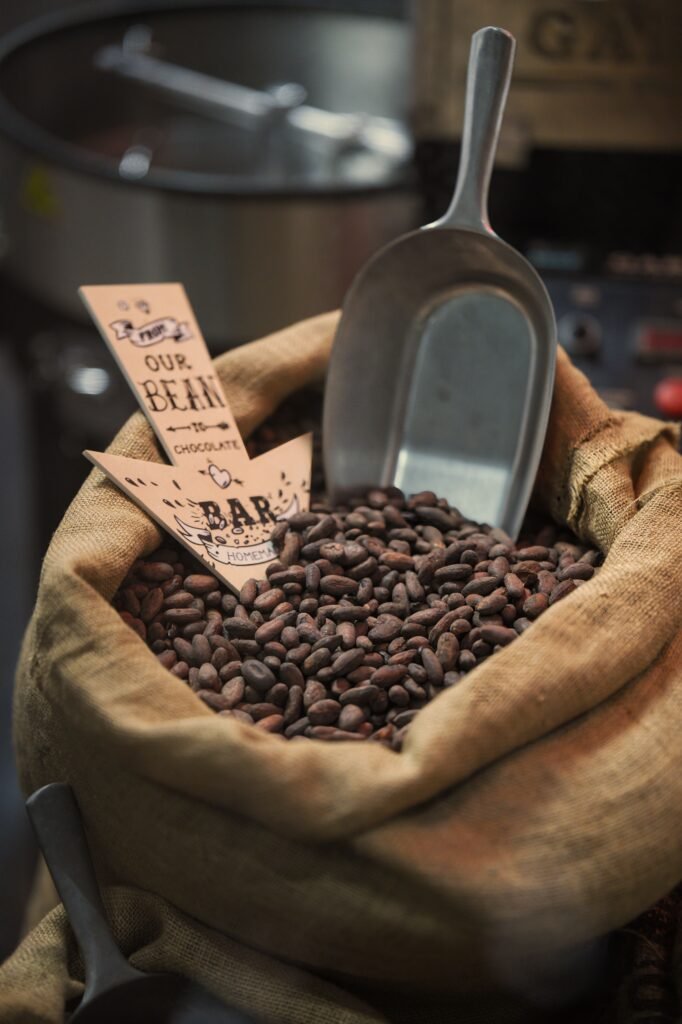
The same opportunity exists beyond coffee. Uganda exported 72,545 tonnes of cocoa beans worth US$620.43 million in the 12 months to June 2025, according to Bank of Uganda data. Dairy production reached 5.4 billion litres in 2024, while exports of milk and milk products reached US$285.4 million. These figures show the scale of Uganda’s agricultural economy, but they also expose a question that production statistics cannot answer: how much value is created after the farm gate, and how much of it is captured by Ugandan producers and enterprises?
Honey offers another practical example. Honey Pride, based in Arua, works with more than 1,000 smallholder farmers, processes and packages honey locally and sells products carrying the Uganda National Bureau of Standards Q-Mark. Here, the agricultural product is no longer simply honey sold from producer to buyer. Quality control, processing, packaging and certification become part of the product’s value and its relationship with consumers.
This is the space in which the Ugandan agripreneur becomes increasingly important. The opportunity is not necessarily to replace traders, processors or exporters, which remain essential parts of agricultural value chains. It is to build stronger businesses around those value chains and create ways for farmers to participate in the value created beyond production.
But that transition requires money. A farmer or cooperative needs capital not only to produce, but to aggregate, store, process, certify, package, transport and market a product. The financing required to produce a crop is therefore different from the financing required to build an agricultural enterprise.
This raises a question that Uganda’s financial sector will increasingly have to confront: who finances the journey from raw commodity to branded product?
If capital stops at production, farmers will largely remain suppliers. If finance can support processing, certification, distribution and market development, more farmers and Ugandan enterprises can participate in the higher-value stages of agriculture.
The objective, therefore, is not to turn every farmer into a brand owner. It is to give farmers more pathways to ownership, bargaining power and participation in the businesses built around what they produce.
Uganda’s agricultural transformation has traditionally been measured in tonnes, volumes and export earnings. The next phase should also be measured by something harder to see but potentially more important: who owns the value created along the chain?
Because producing more coffee, cocoa, milk or honey creates an agricultural economy. But owning more of the businesses, brands, markets and customer relationships built around those products is what creates agricultural wealth.
That leaves Uganda with a bigger question than how much it can produce.
Who owns the brand? Who controls the customer? Who captures the premium?
And ultimately, can Uganda move from being a successful producer of agricultural commodities to a country whose farmers and enterprises own more of the value created from them?
Editor’s Note: This article is part of the I’mAnAgripreneur thought leadership series by Publicist East Africa, exploring the ideas, policies, market innovations and investment opportunities shaping the future of agriculture, agribusiness and industrialisation across East Africa.
.