
In a strategic move to professionalise Uganda’s primary economic engine, the Ministry of Agriculture, Animal Industry and Fisheries (MAAIF) has officially launched three pivotal statutory instruments designed to anchor the sector’s growth through the end of the decade.
Presided over by Hon. Fred Bwino Kyakulaga, the Minister of State for Agriculture, the ceremony marked the introduction of the Agriculture Strategic Plan (2025/26–2029/30), the Service Delivery Standards, and the Client Charter 2030.
These documents, according to Minister Kyakulaga, are not merely administrative guidelines but represent a binding commitment to the 65% of Ugandans whose livelihoods depend on the land.
“This is about building systems that serve farmers better and drive national growth,” Hon. Kyakulaga remarked. “Our presence reflects the spirit of collaboration needed to implement key programs. Agriculture remains the backbone of our economy, anchoring food security and industrial growth,” he added.
The launch of these instruments signals a shift from subsistence-led growth to a regulated, high-efficiency commercial model. Hon. Kyakulaga noted that together, the instruments form a comprehensive framework for accountability and results.
Agriculture Strategic Plan (2025–2030)
The Minister revealed that this Strategic Plan is a Shs17 trillion roadmap aligned with the National Development Plan (NDP IV) and the 10-Fold Growth Strategy. He explained that it focuses on six strategic objectives, including increasing productivity, strengthening animal and plant health systems, and enhancing climate resilience.
Service Delivery Standards
Hon. Kyakulaga explained that these set the minimum expected levels of service quality, time, and cost-effectiveness. He underscored that these Standards ensure that whether a farmer is in Kisoro or Kotido, the quality of extension services and input support remains consistent.
Client Charter 2030
The Minister noted that this is a social contract between MAAIF and the public. He revealed that it aims at empowering farmers to hold government agencies accountable for delays or inefficiencies, placing the citizen at the center of sector operations.
Hon. Kyakulaga emphasised that the success of these tools relies on inter-ministerial synergy, particularly in the implementation of the Parish Development Model (PDM).
The presence of leadership from the Ministry of Local Government and the Ministry of Water and Environment highlighted a unified front in tackling cross-cutting issues like rural infrastructure and irrigation.
Maj. Gen. (Rtd) David Kasura-Kyomukama, the MAAIF Permanent Secretary, noted that agricultural growth has already improved from 6.1% to 6.8% in the last fiscal year.
The new plan, he noted, aims to push this into double digits by professionalising farmer cooperatives and scaling up specialised extension services.
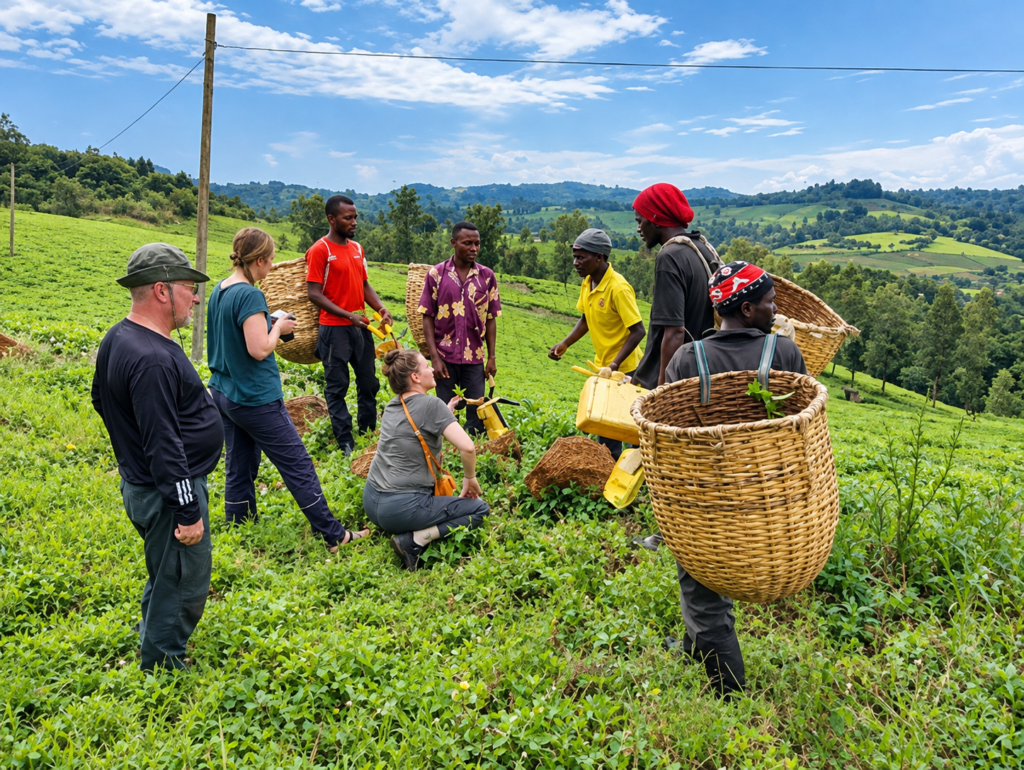
A recurring theme of the launch was the transition from ‘conferences to the garden. The Minister challenged sector leaders to ensure these high-level documents translate into tangible benefits for the household.
Key Implementation Targets (2026–2030):
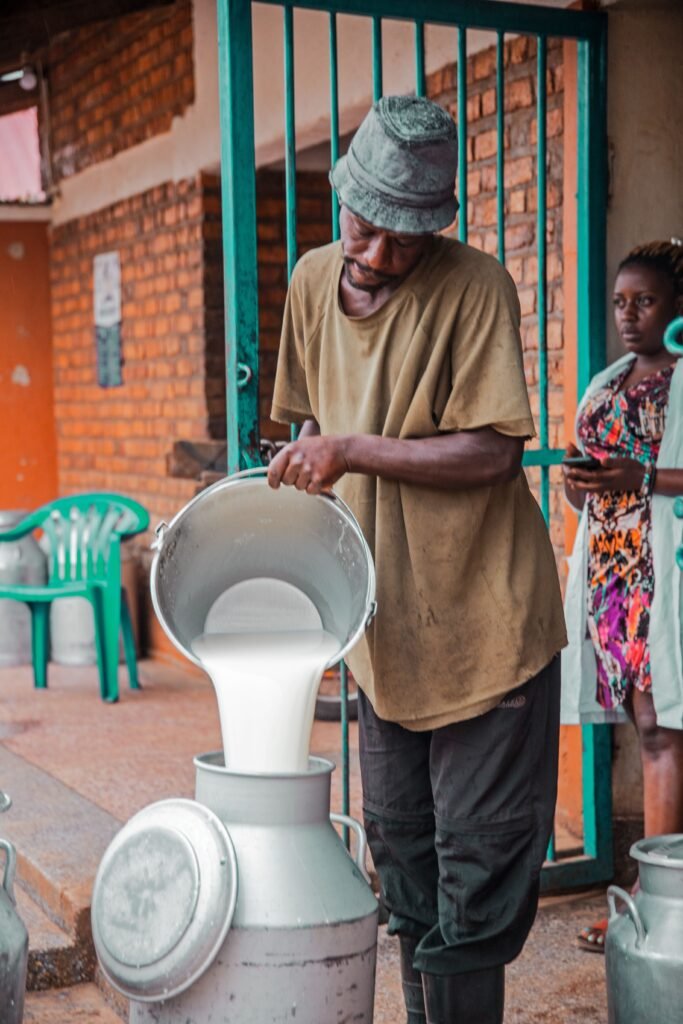
Agro-Industrialisation: Shifting from exporting raw materials to high-value processed goods.
Digital Integration: Utilising e-Voucher systems for inputs and e-Extension services to reach remote farmers.
Water for Production: Expanding valley tanks and small-scale irrigation to mitigate climate risks.
From Policy to Prosperity
The Minister concluded by noting that as MAAIF enters this new chapter, the message from leadership is clear: the tools for transformation are now in place. The focus for 2026 and beyond is strictly on implementation and results.
He highlighted that by setting clear standards and a measurable roadmap, Uganda is positioning its agricultural sector not just as a source of food, but as a competitive global business.