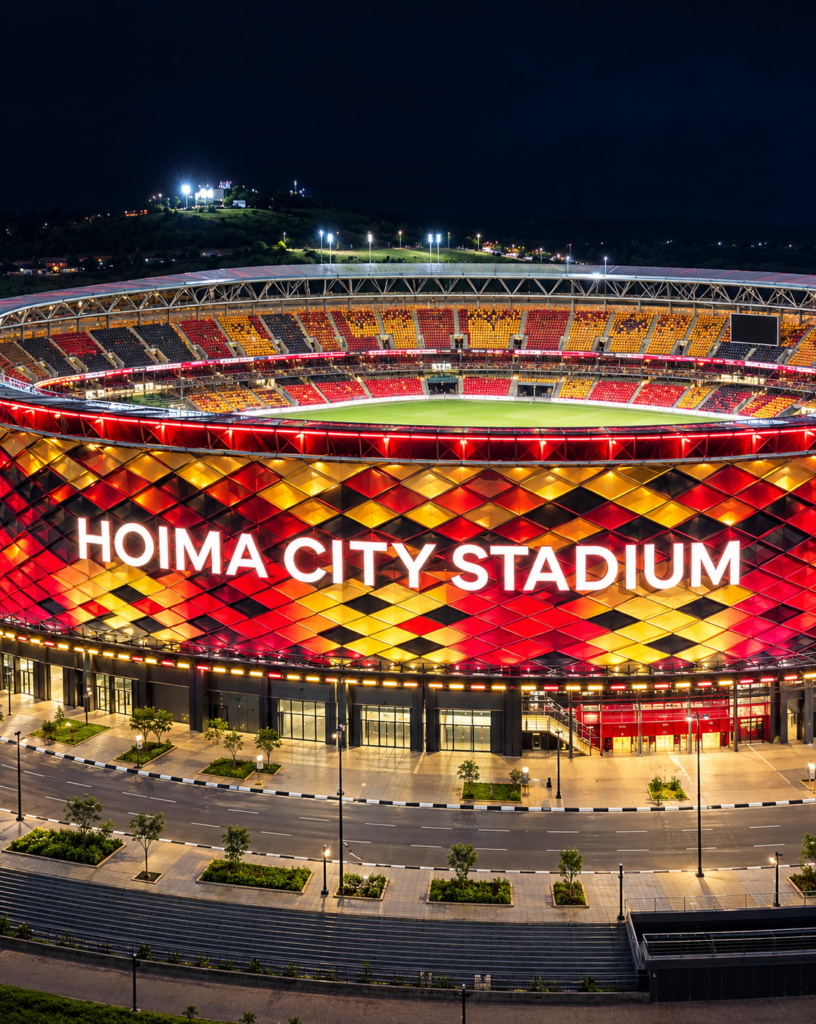
On January 5, 2027, Nairobi is expected to welcome two of European football’s most recognisable clubs, Bayern Munich and Ajax Amsterdam, for a friendly match opening Kenya’s new Raila Odinga International Stadium. The 60,000-capacity facility is being positioned as part of the country’s preparations to co-host the 2027 Africa Cup of Nations (AFCON). The match was announced on October 28, 2026, giving Kenya an international sporting attraction months before the continental tournament begins.
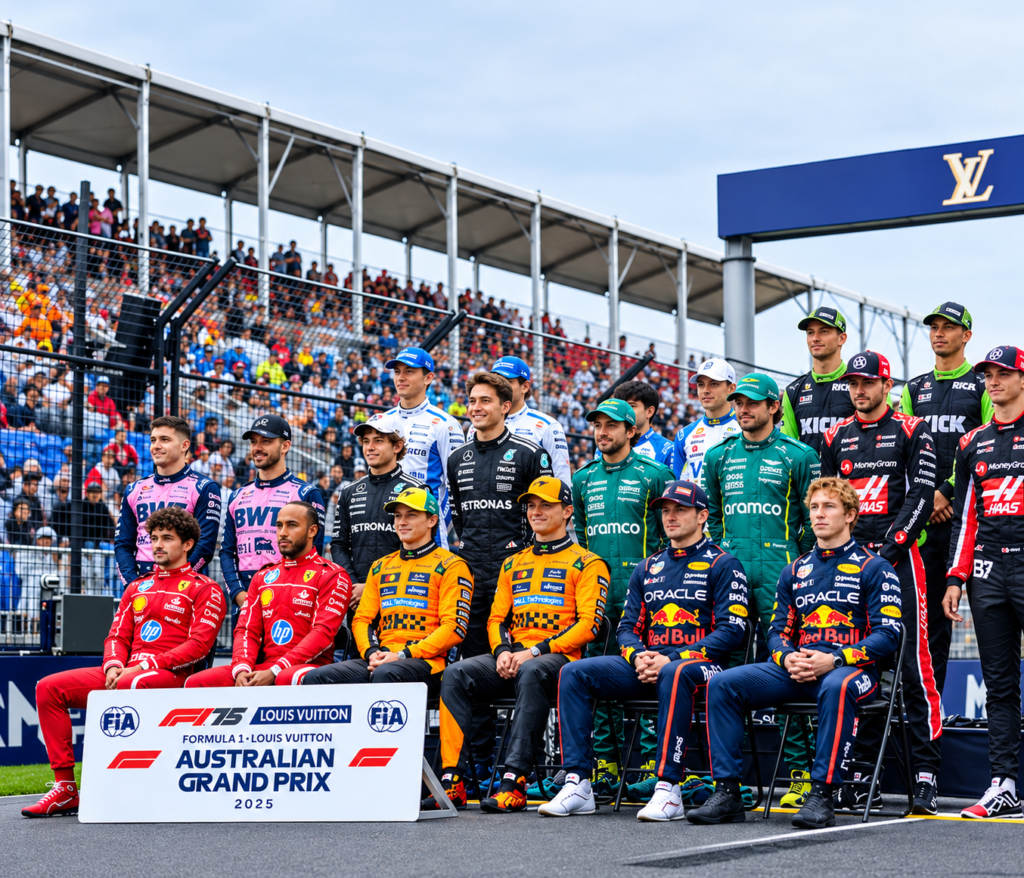
Thousands of kilometres away, Rwanda has announced an even longer-term ambition. On October 13, 2026, Formula One and the Fédération Internationale de l’Automobile (FIA) announced a 10-year agreement to bring the Formula One African Grand Prix to Rwanda in the early 2030s, subject to the development of a purpose-built circuit in Bugesera.
These are different investments, operating on different timelines, but they communicate a common ambition: to put a country on the global map through experiences that international audiences already recognise and want to follow.
For Uganda and Tanzania, both preparing to co-host AFCON 2027 with Kenya, these developments should prompt a more ambitious conversation about destination marketing. What are the experiences that will persuade international audiences to visit, spend money and return to East Africa? And how will the two countries turn the attention generated by football into something that lasts beyond the final whistle?
International sporting events are powerful marketing platforms because they give a destination a reason to enter conversations that conventional advertising often struggles to reach. A football match featuring Bayern Munich and Ajax attracts supporters, broadcasters, sponsors, sports journalists and curious travellers. Formula One brings together motorsport fans, international businesses, hospitality operators, luxury brands and a global media audience.
The value extends beyond those who attend in person. Television coverage, online conversations, travel content and social media expose destinations to audiences who might otherwise have little reason to consider them. An event can become an introduction to a country’s hotels, restaurants, culture, transport networks, business environment and tourist attractions.
However, visibility does not automatically translate into economic gains. The benefits depend on whether visitors stay longer, spend locally, travel beyond the main venue and encounter reasons to return. The strongest event strategies therefore connect the spectacle to a wider tourism and investment offer.
Rwanda’s Formula One announcement explicitly links the proposed Grand Prix to tourism, infrastructure, investment, skills development and local business opportunities. The circuit is intended to serve as a year-round venue for other motorsport competitions, conferences and entertainment, rather than remain active only during race weekends.
Kenya’s planned stadium opening similarly connects an international football attraction with preparations for AFCON 2027. These are examples of countries using major events to tell a broader story about their future.
It would be inaccurate to suggest that Uganda and Tanzania are sitting out this competition. They are co-hosts of AFCON 2027, which is scheduled to run from June 19 to July 17, 2027. Uganda has also begun organising around the tournament’s wider economic potential.
In August 2026, the Government of Uganda and partners launched the Sports for National Development Consortium to coordinate efforts to turn AFCON into a catalyst for tourism, investment, employment, innovation and sustainable development. Its partners include the Uganda Tourism Board, the Federation of Uganda Football Associations, UNDP, UNESCO and the Uganda Manufacturers Association.
The consortium’s five strategic pillars include destination promotion, strategic investment intelligence, football ecosystem engagement, data and analytics, and legacy and sustainability. This is a useful foundation, provided the work translates into visible projects, commercial opportunities and measurable results.
At the regional level, East African Community tourism ministers adopted a ten-year tourism marketing strategy for 2027–2036 in October 2026. It aims to market East Africa as a competitive, interconnected destination under the brand “Visit East Africa: Feel the Vibe” and use AFCON to spread tourism opportunities across the region.
The challenge, therefore, is not a complete absence of plans. It is whether those plans can generate a consistent pipeline of international events and make it easy for visitors to discover, book and experience more of what the region offers.
What should Uganda and Tanzania be doing?
First, both countries need to think beyond hosting tournaments. AFCON is a major opportunity, but it is also a deadline. Once the tournament ends, the international spotlight will move elsewhere unless other attractions are ready to sustain it.
Uganda could build a stronger international events calendar around football, athletics, cycling, rallying, golf, music, film, comedy and cultural festivals. The country has potential settings for different experiences, from Kampala’s urban entertainment scene to Jinja’s adventure tourism, the source of the Nile, and wildlife destinations across the country. These assets need to be packaged into marketable events with clear dates, professional organisation, reliable ticketing and an audience beyond the domestic market.
Tanzania can build on its established international recognition for wildlife tourism, Mount Kilimanjaro and Zanzibar’s coastline by connecting those attractions to sporting, cultural and entertainment experiences. The objective should be to give travellers additional reasons to visit, spend more time in the country and return for different experiences.
Neither country needs to copy Formula One or spend beyond its means to compete. The lesson is to identify the events each can credibly own, based on its infrastructure, market demand, commercial partners and distinctive strengths. A well-organised international marathon, cycling tour, music festival or regional sports championship can become a recurring destination brand if it is marketed consistently and delivers a strong visitor experience.
Second, Uganda and Tanzania need a joint events strategy alongside their individual national ambitions. AFCON already gives the three host countries a shared platform. A visitor attending a match in Kampala should have an easy way to discover a safari, a trip to Jinja or an onward journey to Tanzania’s wildlife parks or Zanzibar. Similarly, a visitor arriving in Dar es Salaam should be able to explore a regional itinerary without unnecessary barriers.
This requires coordinated promotion, practical cross-border travel information, competitive travel packages and cooperation among airlines, tour operators, hotels, event organisers and tourism boards. Regional collaboration can make East Africa a more compelling destination than any single city or country could be on its own.
Third, governments must treat event promotion as an investment proposition. International organisers need predictable licensing procedures, security, suitable venues, transport, accommodation, power, connectivity and credible local partners. Sponsors need a clear understanding of their commercial opportunities. Visitors need to know what they can expect and how to access it.
Governments should establish dedicated event-bidding teams that work with private organisers to identify suitable competitions and festivals, prepare proposals, engage rights holders and secure sponsorship. Public funding should be transparent, with realistic assessments of visitor spending, operational costs, infrastructure requirements and the likelihood of repeat events.
Finally, every major event should leave a measurable legacy. Local businesses must have opportunities to supply catering, transport, accommodation, production, merchandising and other services. Young people should gain pathways into event management, sports medicine, broadcasting, hospitality, marketing and technical production. Tourism authorities should track visitor numbers, length of stay, spending, local procurement, jobs and repeat bookings instead of relying on publicity figures alone.
There is an important difference between attracting attention and building a destination. An announcement can dominate the news cycle for a day. A successful recurring event can generate demand, investment and employment over many years.
Rwanda’s Formula One agreement still requires the construction of a circuit, and the first race is planned for the early 2030s. Kenya’s stadium opening match is scheduled for January 2027. Neither announcement, on its own, proves what the final economic returns will be. Their significance lies in the ambition, partnerships and planning they represent.
Uganda and Tanzania have a major platform in AFCON 2027. Their task is to use it to build a stronger international events economy, not to treat it as a single sporting assignment. That means identifying what makes each destination distinctive, investing in the visitor experience, attracting credible partners and maintaining a calendar of events that keeps international audiences interested.
The question is not whether the region has enough attractions. It is whether those attractions are being organised, financed and marketed in ways that turn global curiosity into sustained economic activity.
When the final AFCON match is played, what will make a visitor choose to return to Uganda or Tanzania? The answer should already be taking shape now.