
Over the past 14 months, the Ugandan shilling has shown remarkable strength, appreciating steadily against the US dollar.
In a televised address today, Bank of Uganda (BoU) Governor Michael Atingi-Ego clarified the central bank’s role, asserting that this appreciation is not due to intervention but rather a reflection of Uganda’s strong economic fundamentals.
This shift, he noted, has significant implications for both the economy and the future of monetary policy.
Bank of Uganda’s Non-Interventionist Approach
Governor Atingi-Ego was quick to dispel any notion that the central bank was propping up the shilling.
“The currency has indeed appreciated for about 14 months. But let me clarify: the Bank of Uganda did not intervene during that period. Our last sales-side intervention was in June 2022,” he stated.
Instead of intervention, he said the BoU’s role has been to maintain stability through a prudent monetary policy. The Governor emphasised that the exchange rate is market-determined.
He explained that attempting to artificially support exporters by weakening the shilling would carry significant risks, including fueling inflation and leading to higher interest rates, which would harm the broader economy. The Governor noted that the central bank’s focus thus remains on preserving stability without distorting market fundamentals.
What the Appreciation Means for the Economy
The shilling’s appreciation is a clear indicator of a healthier economic climate, driven by several key factors, which include:
Strong Exports
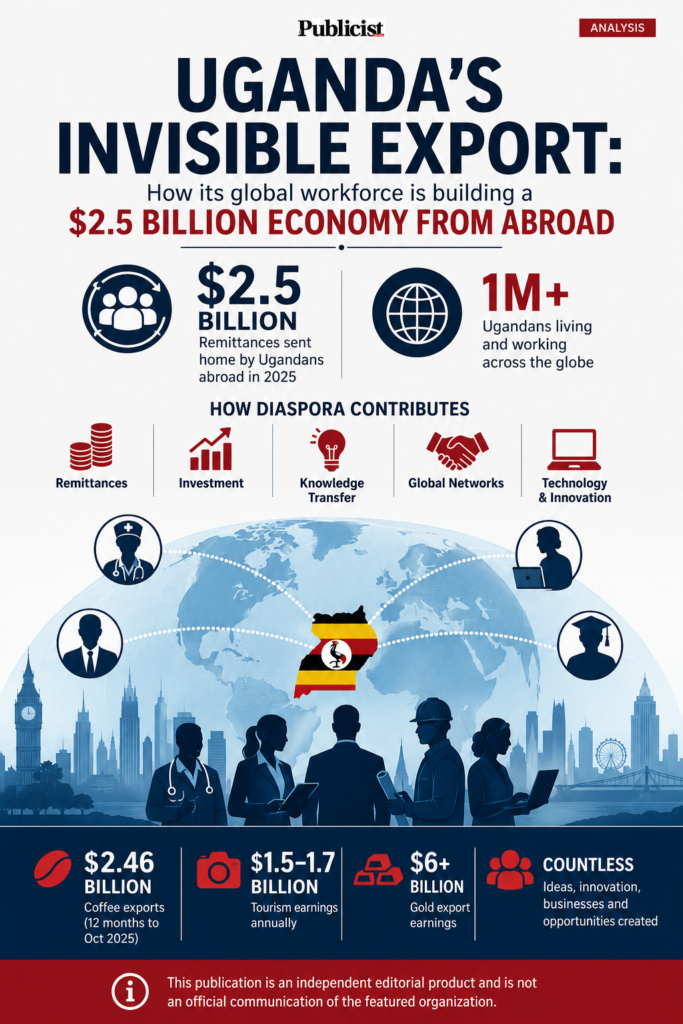
The Governor said the appreciation is backed by a surge in key agricultural exports, particularly coffee and cocoa. Increased global demand and higher prices for these commodities have brought more foreign exchange into the country.
Foreign Exchange Market Reforms
According to Atingi-Ego, recent reforms have made the market more efficient and transparent, attracting greater confidence from international investors.
Offshore Investor Inflows
He observed that there is increased foreign capital entering the country, a sign of growing investor confidence in Uganda’s economy.
Favourable Global Conditions
The appreciation was also supported by a weaker US dollar globally, which made it easier for the shilling to gain ground.
For the economy, a stronger shilling has both positive and negative implications. While it makes imports cheaper, which can help curb inflation, it also makes Ugandan exports more expensive, potentially affecting the competitiveness of some businesses.
However, the Governor’s remarks suggest that the benefits of stability and strong fundamentals outweigh the risks of a weaker currency, laying the groundwork for sustainable economic growth.