
Uganda’s journey to becoming an oil-producing nation is facing significant hurdles, with a report from the Auditor General (AG) Mr. Edward Okwakol, revealing critical delays and underfunding across major projects.
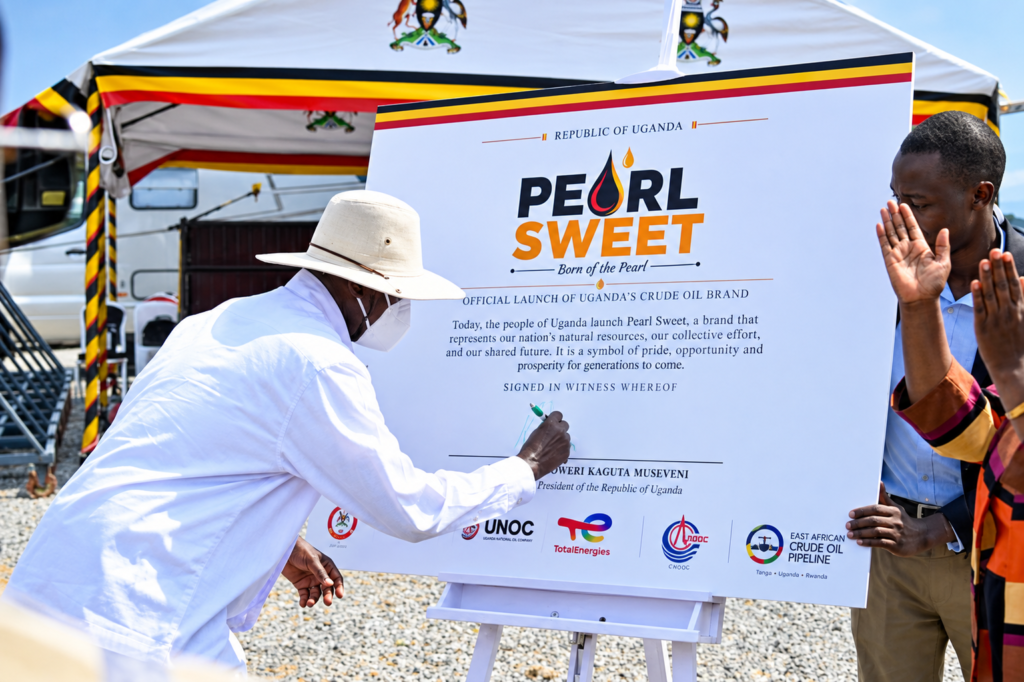
According to the report, while the government had set a target of November 2025 for the first oil export, a review of development operations shows that key milestones are behind schedule, threatening to undermine the nation’s ambitious Vision 2040 agenda.
The State of Critical Infrastructure
The Auditor General’s report highlights several key areas of concern, which have since become the ticking clock, and these include:
Drilling Operations
Out of the planned 451 wells, the initial phase required only 177 to be drilled by the first oil target date. By November 2024, however, only 94 wells (53%) had been completed. This shortfall in well drilling could impact production capacity.
Production Facilities
The construction of enabling facilities for the Tilenga and King Fisher Development Area (KFDA) projects is lagging.
Tilenga’s progress stood at 42% compared to a planned 51%, while KFDA was at 88% against a target of 91%. The report noted that much of the progress was in procurement and logistics, with actual construction works at a minimal 8.5%.
East African Crude Oil Pipeline (EACOP)
Despite substantial progress in compensating Project Affected Persons (PAPs), EACOP’s overall implementation was at 40% by September 2024, falling short of the 42% target due to delays in pipeline and marine terminal construction.
Supporting Infrastructure
The report flagged a critical design flaw in the Kabalega Industrial Park electricity substation, noting the absence of a 132 kV line bay required to power the EACOP for heating purposes.
Additionally, while a major milestone was reached with the airport runway’s completion, essential facilities like the cargo terminal and a 240 MW power substation remain unfinished.
Petroleum Data Infrastructure
A crucial project, the National Petroleum Data Repository Infrastructure (NPDRI), is severely underfunded. With a total funding requirement of Shs133.5 billion, only Shs7.5 billion was allocated to the project, stalling its progress at a mere 37%.
Recommendations for a Coordinated Response
While accounting officers attributed the delays to logistical challenges and funding constraints, the Auditor General issued a series of recommendations to ensure the projects get back on track.
The Petroleum Authority of Uganda (PAU), led by Mr. Ernest Rubondo as Executive Director, was advised to enhance its regulatory oversight to ensure the timely and cost-efficient completion of all critical projects.
The Uganda National Oil Company (UNOC), led by Ms. Proscovia Nabbanja as Executive Director, was urged to engage stakeholders to secure additional funding for supporting infrastructure.
Furthermore, the Auditor General tasked the Ministry of Energy and Mineral Development (MEMD) with formulating and communicating contingency plans to address potential supply chain delays.
This coordinated effort, the report concludes, is vital to safeguard the financial viability of the sector and ensure the government’s ambitious target for first oil production in November is realised.