
In a transformative leap for the nation’s energy sector, the Uganda National Oil Company (UNOC), under the leadership of Ms. Proscovia Nabbanja as CEO, has officially executed financing agreements with Vitol Bahrain E.C. following a landmark Parliamentary approval.
The agreement, which secures up to US$2 billion (over Shs7.15 trillion) in funding over seven years, is set to catalyse Uganda’s transition into a regional petroleum logistics and processing powerhouse.
The financing, which carries a competitive interest rate of approximately 4.92%, is designed to move beyond traditional debt models by leveraging commercial partnerships.
This capital injection, sources within the UNOC leadership reveal, is a “cornerstone of Uganda’s 10-Fold Growth Strategy, aimed at multiplying the national GDP through industrial value addition.”
Unlocking the Petroleum Value Chain
According to a statement from the UNOC, the US$2 billion facility will be strategically deployed across several high-impact projects that span the midstream and downstream sectors, which include:
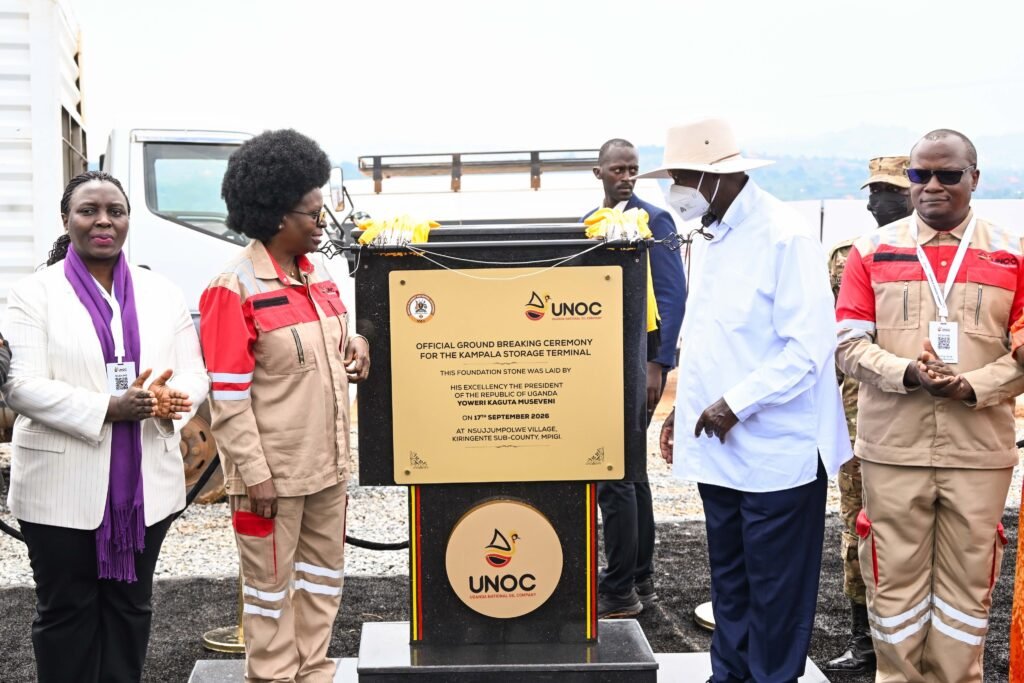
Namwabula Greenfield Storage (Mpigi District): This shall include the development of a massive refined products terminal. This facility will serve as the primary distribution hub for the planned Hoima-Kampala products pipeline.
Jinja Petroleum Terminal Expansion: It will involve upgrading the existing Jinja storage capacity to bolster national fuel reserves and stabilise local pump prices.
Kenya-Uganda Products Pipeline Extension: Extending the refined products pipeline from Eldoret to Kampala. This will drastically reduce the cost of fuel transportation and decrease the reliance on road trucking from the Kenyan coast.
Uganda Oil Refinery Developments: Funding critical initial phases of the 60,000-barrel-per-day refinery in Kabaale, Hoima. UNOC maintains a 40% participating interest in this project alongside lead investor Alpha MBM Investments from the United Arab Emirates (UAE).
Strengthening Energy Security
For decades, Uganda has faced supply vulnerabilities due to its landlocked position and dependence on regional intermediaries. This financing strengthens UNOC’s mandate as the sole importer of petroleum products, a role it assumed in 2024 to curb price speculation and ensure supply reliability.
By developing state-owned storage and pipeline infrastructure, Uganda is effectively creating a strategic reserve that can shield the economy from global price shocks and logistical disruptions at the ports of Mombasa or Dar es Salaam.
Prudent Utilisation and Economic Oversight
The Government has emphasised through UNOC that the loan will be managed through escrow-based revenue security mechanisms. Revenues generated by the projects themselves, such as pipeline tariffs and storage fees, will be used to service the debt, thereby minimising the direct burden on the national treasury.
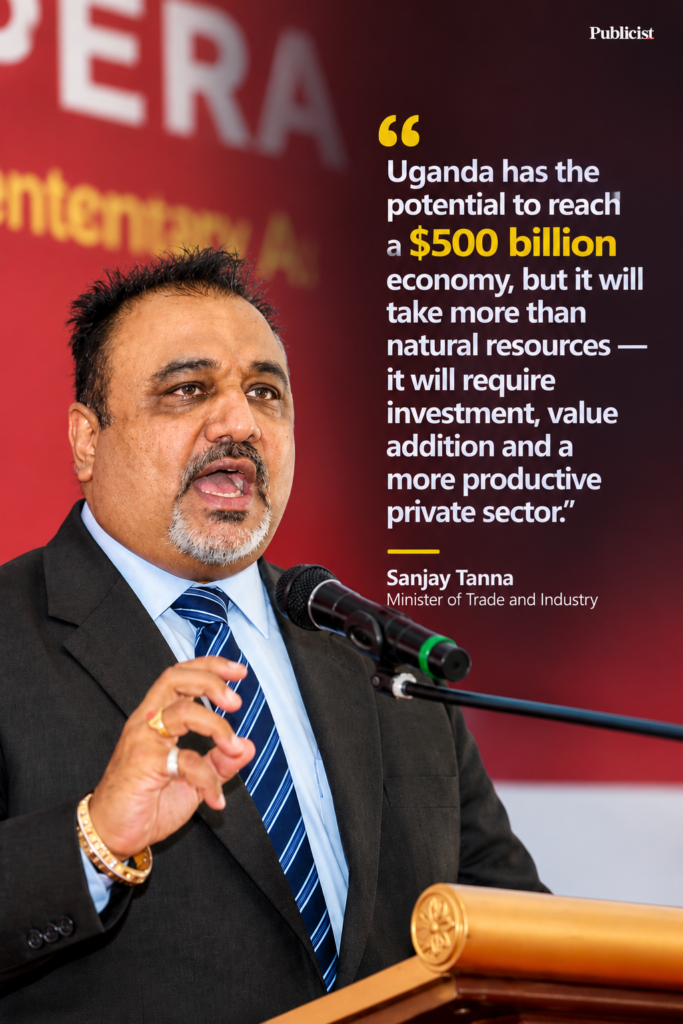
Following this development, Hon. Francis Mwebesa, the Minister of Trade, Industry, and Cooperatives, noted that “Arbitrary supply chain gaps are a risk to national stability. UNOC’s strengthened role allows for a more scientific approach to managing the country’s energy needs.”
Creating a Regional Petroleum Hub
With the East African Crude Oil Pipeline (EACOP) nearing completion and commercial oil production expected to begin by 2025/2026, this infrastructure funding positions Uganda to not only meet its own needs but also to supply refined products to neighbouring markets like South Sudan, Eastern DRC, and Rwanda.
As UNOC celebrates a decade of progress, this US$2 billion agreement marks its transition from a passive stakeholder into a dominant commercial operator, ensuring that Ugandans capture the maximum value from their natural resources.