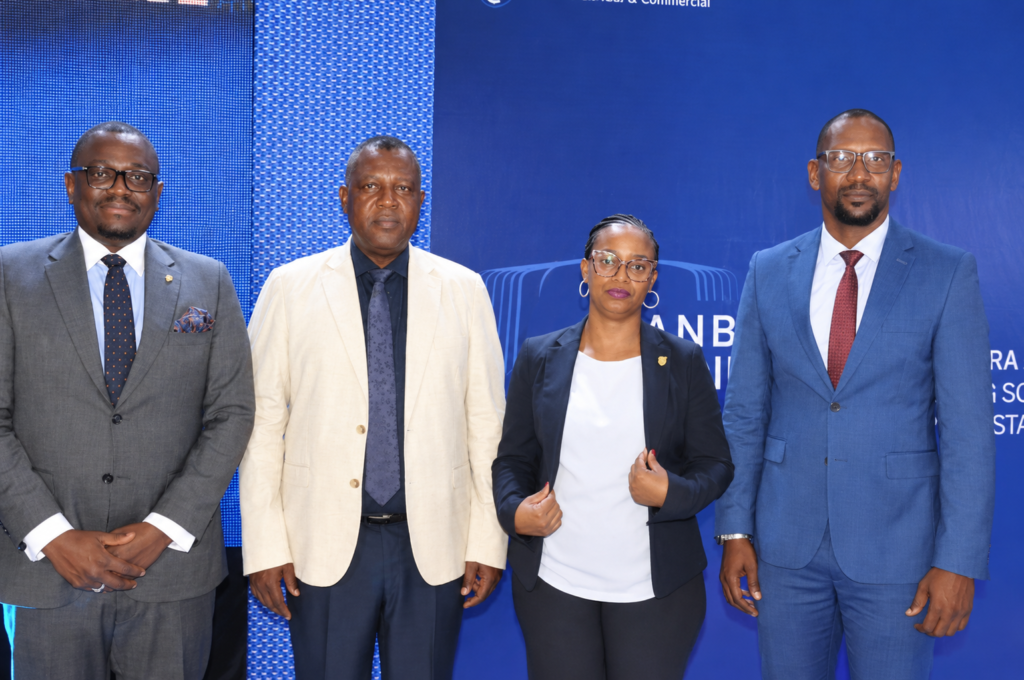
“SMEs account for over 70% of Uganda’s private sector activity, yet many continue to face challenges including limited access to finance, cash flow constraints, and the need for digital transformation. Through our new Business Banking proposition, we are providing businesses with financial solutions, expertise, and partnerships they need to grow with confidence,” said Mark Muyobo, Chief Executive Officer (CEO) of NCBA Bank Uganda.
Uganda’s ambition to grow its economy from approximately US$50 billion today to US$500 billion by 2040 will not be achieved by large corporations alone. It will depend on the millions of small and medium-sized enterprises (SMEs) that form the backbone of the country’s private sector.
From retail shops and manufacturers to agribusinesses, transport operators and service providers, SMEs account for more than 70 percent of private sector activity and employ the majority of Uganda’s workforce. Yet despite their economic importance, many businesses continue to face one persistent obstacle: access to timely, affordable finance.
For many entrepreneurs, growth opportunities often disappear not because demand is lacking, but because capital arrives too late. A supplier secures a purchase order but cannot finance production. A contractor completes work but waits months for payment. A growing business needs new equipment but lacks sufficient collateral to secure a loan. These financing gaps slow expansion, reduce competitiveness and ultimately limit economic growth.
As Uganda pursues industrialisation, export-led growth and digital transformation, improving access to finance for SMEs is becoming an economic imperative rather than simply a banking objective.
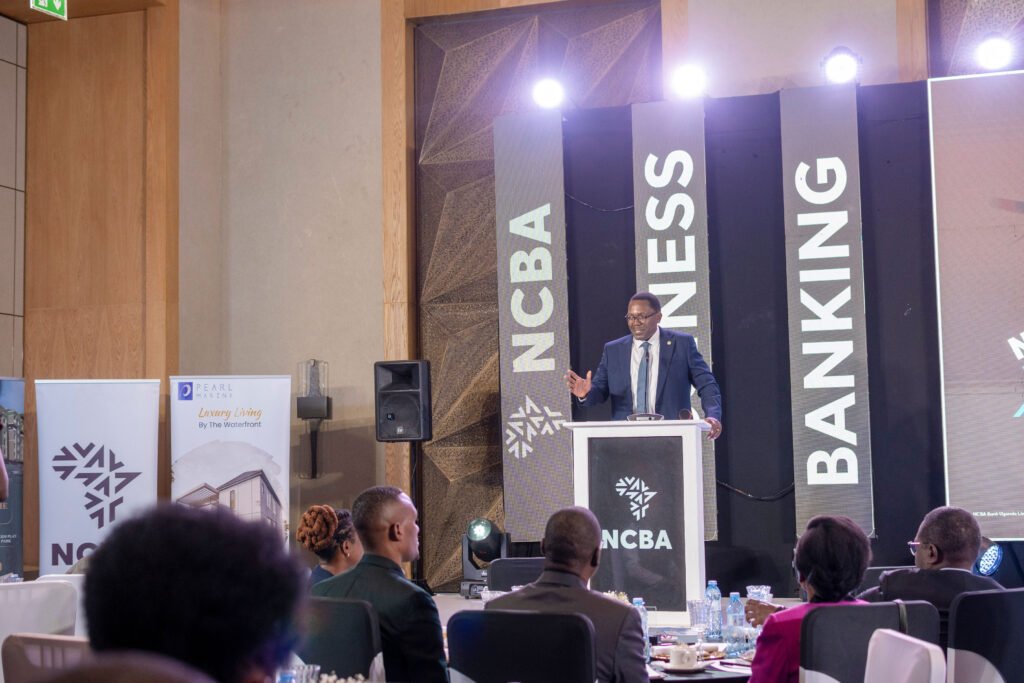
Launching its new Business Banking proposition alongside the “Ku NCBA Kiggwa Ku Bwerere” campaign on Thursday, NCBA Bank Uganda argued that financial institutions must evolve from being lenders to becoming long-term growth partners for businesses.
“SMEs account for over 70% of Uganda’s private sector activity, yet many continue to face challenges including limited access to finance, cash flow constraints, and the need for digital transformation. Through our new Business Banking proposition, we are providing businesses with financial solutions, expertise, and partnerships they need to grow with confidence,” said Mark Muyobo, Chief Executive Officer (CEO) of NCBA Bank Uganda.
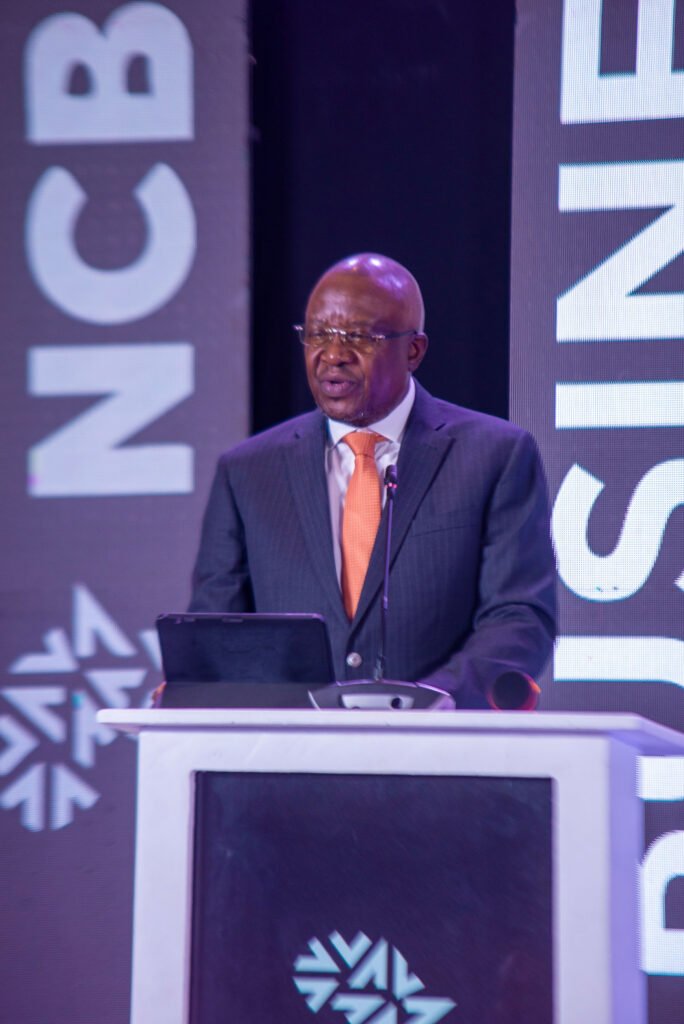
The new proposition combines unsecured invoice discounting of up to UGX 500 million, unsecured LPO financing, business loans, education finance and asset financing with digital banking solutions and dedicated relationship management. More significantly, the bank has committed to responding to credit applications within 48 hours, recognising that speed is often just as valuable as the financing itself.
For many SMEs, delayed lending decisions translate into missed contracts, interrupted production schedules and strained supplier relationships. Faster access to working capital can improve cash flow and enable businesses to respond more effectively to market opportunities.
However, finance alone is rarely enough. One of the less discussed challenges facing Uganda’s SMEs is limited business capacity. Many promising enterprises struggle with financial management, governance, tax compliance, succession planning and strategic planning. These are not merely administrative challenges; they directly influence a company’s ability to secure financing, attract investment and expand sustainably.
Recognising this, NCBA has partnered with MAT Abacus to provide a complimentary Enterprise Development Programme covering financial management, governance, tax compliance, business planning and succession planning.
The emphasis on business development has been welcomed by private sector leaders.
“The growth of Uganda’s private sector depends on strong partnerships and financial institutions that understand the realities of doing business,” said Abel Mwesigye, CEO of KACITA.
“NCBA’s Business Banking proposition is a timely intervention that combines accessible financing, digital innovation and business development support to help SMEs scale sustainably.” he adds.

His comments reflect a growing recognition that strengthening Uganda’s private sector requires more than expanding credit portfolios. Entrepreneurs increasingly need advisory services, mentorship and practical support that help them build resilient businesses capable of creating jobs and competing in regional markets.
Digital transformation is another critical pillar of SME competitiveness. As businesses increasingly embrace digital payments, online banking and automated financial management, technology is becoming a strategic asset rather than a convenience. NCBA says its enhanced digital platforms, NCBA Now and NCBA ConnectPlus, will enable businesses to manage accounts, approve transactions, make payments and monitor cash flows securely from anywhere.
This digital evolution aligns with Uganda’s broader ambitions to modernise its economy, deepen financial inclusion and improve productivity across the private sector.
Yet significant challenges remain. Many SMEs continue to operate informally, making it difficult to demonstrate financial records or meet lending requirements. Others face high borrowing costs, limited financial literacy and insufficient collateral. Women-owned businesses, youth enterprises and rural entrepreneurs often face even greater barriers despite their significant contribution to the economy.
Addressing these structural constraints will require coordinated efforts from financial institutions, government, development partners and the private sector. Credit guarantee schemes, digital credit assessment, financial literacy programmes and policies that encourage business formalisation can all help expand access to finance.
Regional integration also presents new opportunities. As businesses increasingly participate in trade across the East African Community and under the African Continental Free Trade Area (AfCFTA), banks with regional footprints can play a greater role in facilitating cross-border payments, trade finance and regional expansion.
Uganda’s economic transformation will ultimately depend not only on attracting large-scale investment but also on enabling thousands of existing businesses to grow from micro enterprises into competitive SMEs, and from SMEs into regional exporters.
If Uganda is serious about building a US$500 billion economy, improving access to finance must be viewed as an investment in national productivity rather than simply an expansion of bank lending. Faster credit decisions, smarter digital banking and stronger enterprise development support can unlock the entrepreneurial potential that already exists across the country.
The launch of NCBA’s Business Banking proposition is therefore more than a new banking product. It reflects a broader shift in how financial institutions are beginning to view SMEs, not merely as borrowers, but as long-term partners in Uganda’s economic transformation. The country’s next economic leap may well depend on how quickly that shift becomes standard practice across the financial sector.