Uganda is exporting coffee at record levels. But with more than 95% of production still leaving the country as green beans, the next agribusiness opportunity may lie not in growing more coffee, but in capturing more value from what Uganda already produces.
Uganda’s coffee industry is having a remarkable run. In the 12 months to February 2026, the country exported 8.8 million 60-kilogramme bags of coffee worth $2.5 billion, according to the Uganda Coffee Development Authority (UCDA). Export volumes were up 41 percent while earnings increased by 61 percent compared with the previous 12-month period.
The numbers underline coffee’s growing importance to Uganda’s economy. But they also raise a more interesting question for the country’s agripreneurs: who captures the value after the coffee leaves the farm?
That question matters because Uganda remains overwhelmingly a producer and exporter of green coffee.
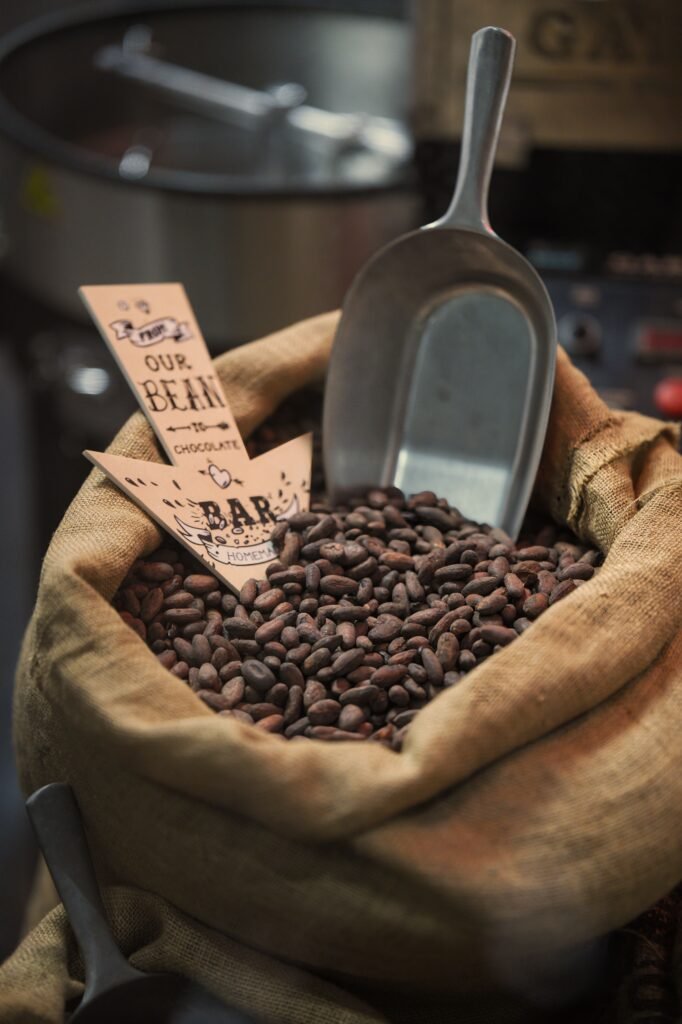
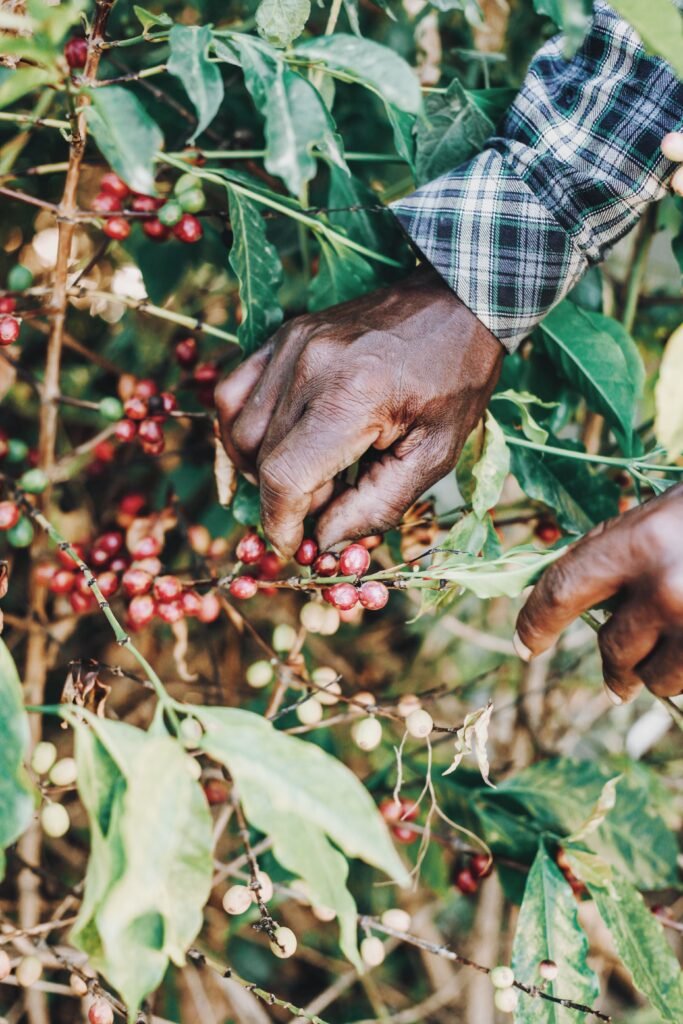
UCDA says more than 95 percent of Uganda’s annual coffee production is exported as green beans. Secondary processing largely prepares coffee for export grading, after which the beans are bagged and shipped to international markets.
In other words, Uganda has become very good at producing coffee at scale. The next challenge is building more businesses around what happens before and after those green beans leave the country.
It is tempting to frame the coffee story simply as one of farmers being short-changed. But that would miss an important part of the economics. UCDA has previously estimated that farmers receive roughly 70 percent of the Robusta export or FOB price and about 80 percent for Arabica.
So the bigger question is not simply how little farmers receive. It is how much additional value Uganda captures across the wider coffee chain.
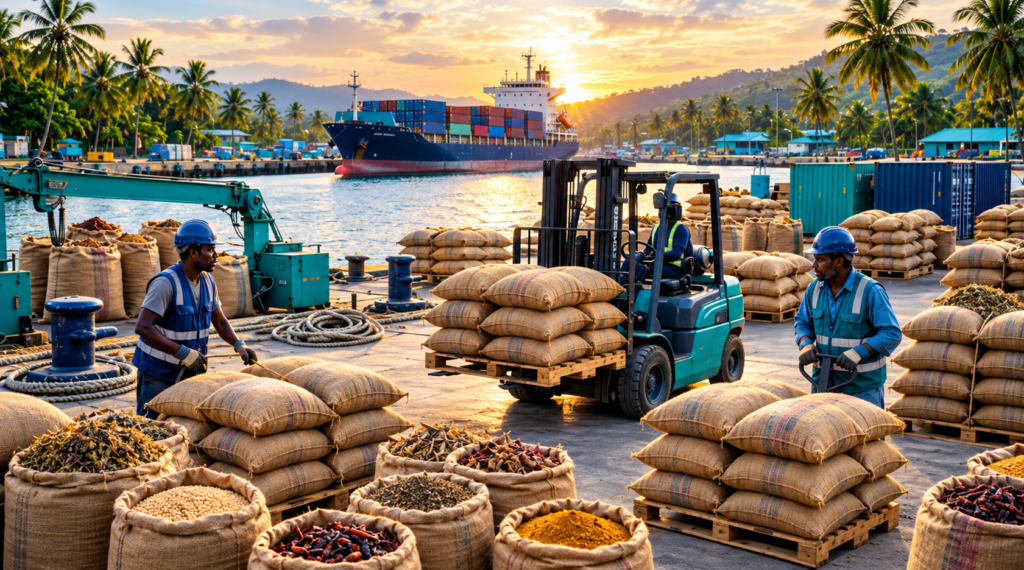
Coffee does not become valuable only when it is grown. It can be aggregated, transported, dried, hulled, graded, processed, roasted, packaged, branded, marketed and eventually sold to a consumer, sometimes thousands of kilometres away from the farm where it was produced.
Every one of those stages represents a potential business. For Uganda’s emerging agripreneurs, that is where the opportunity becomes interesting.
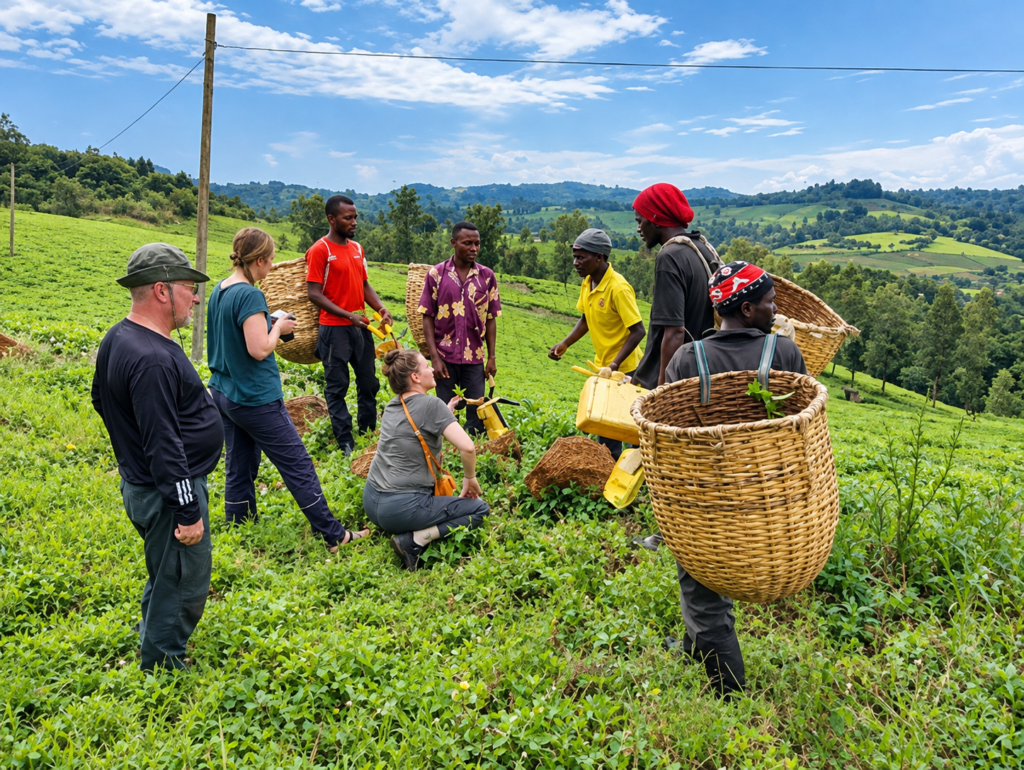
James Nyombi, a coffee farmer in Mubende, provides one example. Nyombi owns a large coffee farm but has built other businesses around the crop. He operates a certified coffee nursery, sells seedlings and cuttings, provides farmer training and trades coffee. He also owns a coffee hulling machine.
According to Daily Monitor, Nyombi earns between Shs20 million and Shs30 million from selling coffee cuttings and seedlings. The publication also reported that his 13-acre mature coffee garden earns between Shs100 million and Shs130 million.
The important point is not simply how much Nyombi earns. It is the diversification.
He is making money from the coffee ecosystem rather than depending entirely on the annual harvest. His nursery business has also benefited from strong demand. Daily Monitor reported that farmers have booked more than 10,000 cuttings in a single order and that Nyombi has at times struggled to meet demand.
That is the agripreneurship lesson. You do not necessarily need another 100 acres of coffee to participate in the coffee economy. You need to identify a problem somewhere in the chain and build a business around solving it.
Consider what happens between a farmer and a coffee drinker. Someone must move the coffee from the farm. Someone must store it. Someone must process and grade it. Someone must finance the transaction. Someone must test its quality. Someone must package it. Someone must build a brand. Someone must sell it. And increasingly, someone must provide the technology that allows buyers to know where the coffee came from and how it was produced.
Each of those activities creates room for Ugandan businesses. Processing is one obvious opportunity. The Uganda Coffee Farmers Alliance factory in Luweero, for example, has a processing capacity of 50 metric tonnes a day and serves cooperatives across Luweero, Nakaseke, Nakasongola and Kayunga.
Such facilities create opportunities beyond the farmer: transporters, warehouse operators, equipment technicians, quality controllers, packaging companies and distributors can all participate.
But processing should not be romanticised. Adding value does not automatically mean adding profit. A processor must pay for machinery, electricity, labour, certification, finance, packaging, marketing, distribution and working capital.
A branded coffee business therefore carries greater potential value , but also greater commercial risk. That distinction matters. The goal should not be to process everything simply because processing sounds more sophisticated. The goal is to identify where Uganda can competitively capture additional value.
Uganda’s coffee story becomes even more interesting when the consumer enters the picture. The country produces millions of bags for export, yet domestic coffee consumption remains relatively small.
That creates room for businesses that can develop a stronger local coffee culture, from specialty cafés and roasting businesses to packaged coffee, ready-to-drink products, instant coffee, e-commerce and corporate coffee services.
It also creates an opportunity to build Ugandan brands that can compete not merely as commodities, but as consumer products.
That is a fundamentally different business. Selling green coffee means competing largely on the economics of the commodity. Selling a finished product means competing on quality, consistency, packaging, brand, convenience and customer experience. The margins may be different. So are the costs and risks.
But the value captured by the business can potentially be much further removed from the farm-gate price. The next generation of coffee businesses will not necessarily all involve machinery.
Technology is creating another layer of opportunity. Digital marketplaces can connect farmers and buyers. Traceability systems can help track coffee from farm to export. Farm advisory platforms can deliver information to producers. Logistics technology can improve aggregation and transport. Data can help businesses understand prices, quality and supply.
This is particularly important as Uganda prepares for increasingly demanding international market requirements.
The coffee business is therefore becoming not just an agricultural business, but a technology, logistics, finance and consumer-products opportunity.
For years, the central question was whether Uganda could produce enough coffee. The answer increasingly appears to be yes. Production has expanded, exports have climbed and coffee earnings have reached billions of dollars.
The next question is harder: How much of the economic activity surrounding those billions can Ugandan businesses capture?
The answer will not come from simply planting more trees. It will come from building stronger businesses around the trees that are already there.
That could mean processing coffee closer to farmers, developing specialty markets, building Ugandan brands, expanding domestic consumption, improving logistics, providing financial services or creating technology that makes the entire chain more efficient.
For the next generation of agripreneurs, the opportunity may therefore not be in owning the entire coffee farm.
It may be in owning one valuable piece of the coffee economy. Uganda has built a formidable coffee production machine. The next challenge is to build an equally formidable coffee value economy. The coffee tree created Uganda’s coffee industry. The value chain will determine how much of that industry Ugandans ultimately own.
Editorial Note: Uganda’s agricultural future will be determined not only by what farmers produce, but by how effectively the country mobilises capital, builds markets, and creates institutions capable of converting production into wealth. This article is part of an ongoing Publicist East Africa series exploring that transition.