
Uganda’s tourism sector is set for a major leap forward, as the National Information Technology Authority-Uganda (NITA-U) and the Uganda Tourism Board (UTB) have joined forces with the Uganda Wildlife Authority (UWA) to launch a new, digitally-driven era for the industry.
This high-level stakeholder engagement, led by NITA-U’s Executive Director Dr. Hatwib Mugasa and UTB’s CEO Juliana Kagwa, is a strategic move to align the sector with national development goals and international standards.
This partnership, unveiled today following a stakeholder engagement meeting, is set to introduce a new level of efficiency, accessibility, and security, ultimately making Uganda a more attractive and competitive global tourism destination.
Aligning with National Vision
We have since established that this collaboration is not a one-off project, but a cornerstone of Uganda’s long-term national development plans.
The initiative is a direct response to the Digital Uganda Vision, a roadmap aimed at leveraging technology to transform society and achieve the broader Vision 2040 goal of becoming a competitive upper-middle-income country.
By integrating technology into the tourism sector, the partnership directly supports the National Development Plan (NDP) IV, which prioritises strategic sectors like tourism and ICT to drive economic growth and job creation.
This synergy between government agencies is a powerful signal of a unified national commitment to a digital future.
The Tourism Digital Enablement Program
The new “Tourism Digital Enablement Program” is the key outcome of this partnership and is designed to tackle long-standing challenges in the sector, such as inadequate digital infrastructure and limited online presence.
This program will introduce a suite of innovative solutions to enhance the tourist experience and improve park management through:
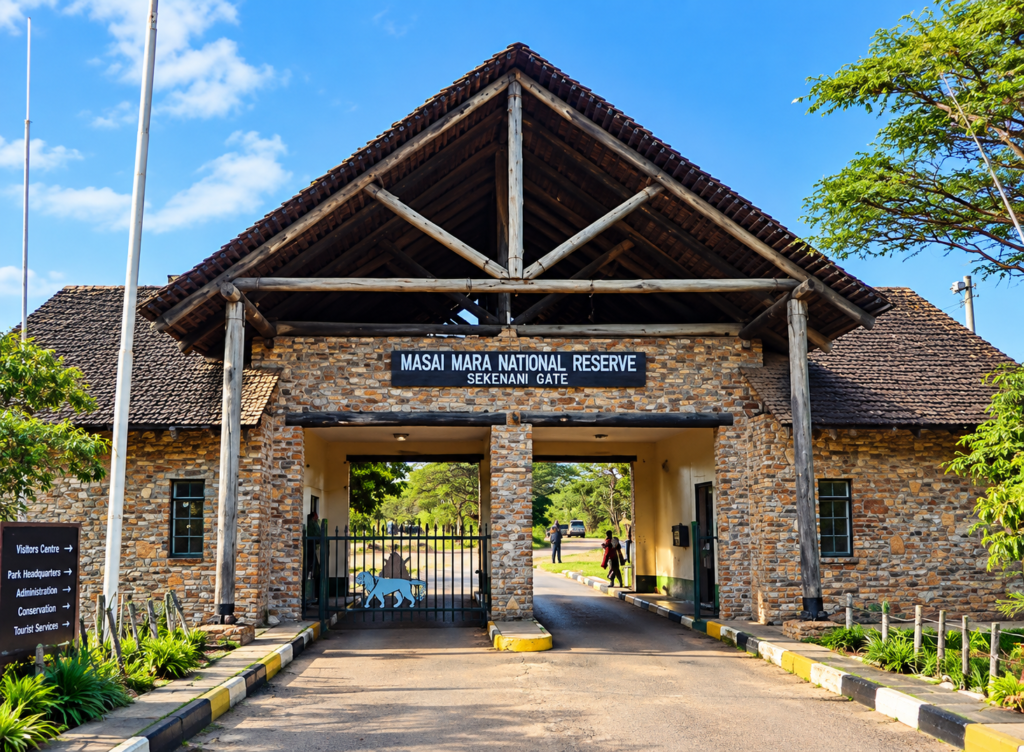
Smart park entry gates
Automated entry systems will streamline the ticketing process, reducing waiting times and providing accurate data on visitor numbers. This will not only improve efficiency but also enhance security and revenue accountability.
Public Wi-Fi
The deployment of public Wi-Fi at tourist sites and in national parks will allow visitors to easily share their experiences, access information, and stay connected. This is crucial for modern travellers who rely on digital platforms for planning and communication.
CCTV with AI analytics
This technology will enhance security and help monitor wildlife movements. The AI-powered analytics will provide valuable data for park management and conservation efforts, ensuring a safer and more secure environment for both tourists and animals.
Digital content hubs
These hubs will provide visitors with interactive and informative digital content about Uganda’s culture, history, and wildlife. This will enrich the tourist experience and help market the country’s diverse attractions to a global audience.
Economic and Competitive Benefits for Uganda
The implementation of these digital solutions will have a transformative impact on Uganda’s economy and its position in the global tourism market in the following ways;
Increased Competitiveness
In a global market where digital presence is paramount, these innovations will give Uganda a significant edge over competitors. By providing seamless digital services, the country will become a more attractive destination for tech-savvy travellers. According to a World Bank report, a robust digital infrastructure is an urgent necessity for a post-COVID-19 recovery and economic growth.
Boosted Revenue and Job Creation
The enhanced efficiency and appeal of a digitally immersive experience are expected to attract more tourists, leading to increased revenue. This growth will support auxiliary services like transportation and accommodation, creating more jobs and wealth within local communities.
Improved Management and Conservation
Real-time data from smart gates and AI-powered CCTV will allow for better park management, more effective conservation strategies, and evidence-based policymaking. This ensures the long-term sustainability of Uganda’s natural treasures, which are the cornerstone of its tourism appeal.
The partnership between NITA-U, UTB, and UWA marks a significant step towards unlocking the full potential of Uganda’s tourism sector.
By leveraging technology, Uganda is not just modernising its parks and services; it is building a new foundation for a digitally empowered and prosperous future.