Uganda’s coffee businesses are navigating a difficult operating environment. Coffee prices remain volatile, fuel costs are significantly higher than a year ago and the shilling has weakened sharply against the US dollar.
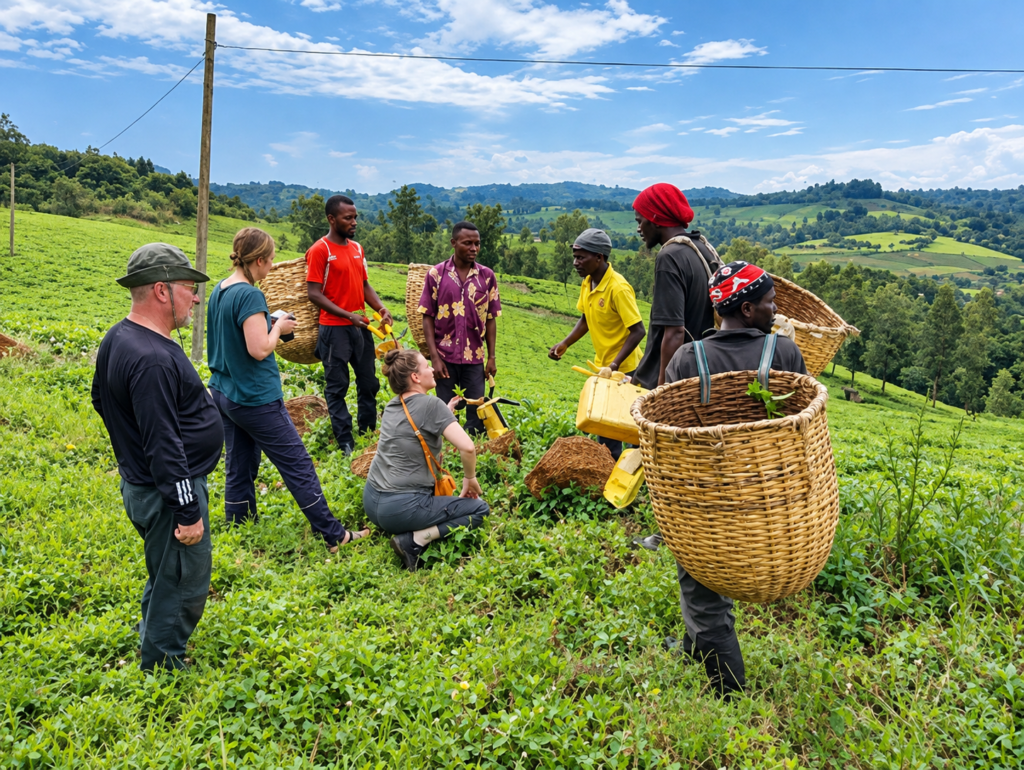
For farmers, traders, transporters, processors and exporters, the challenge is increasingly about margins. The price received for a kilogramme of coffee matters, but so does what it costs to produce, buy, transport, store, process and sell it.
Fuel is one of the clearest pressures. Uganda’s national average petrol price reached Shs6,642 per litre in September 2026, while diesel averaged Shs6,757, according to figures compiled from Uganda Bureau of Statistics data. A year earlier, petrol averaged Shs5,080 and diesel Shs4,736. That represents increases of about 31 per cent for petrol and 43 per cent for diesel.
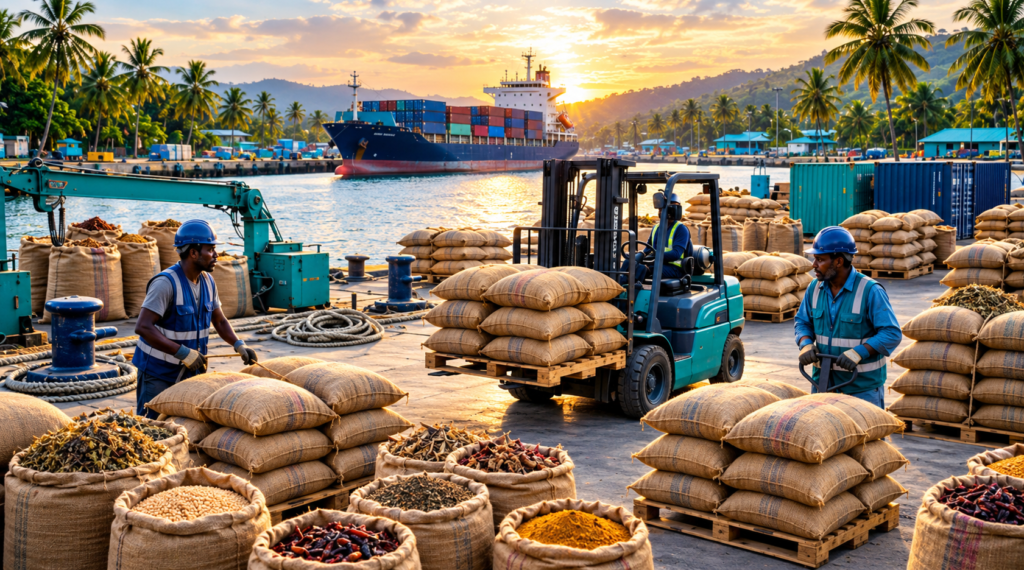
For coffee businesses, the increase in diesel prices matters because coffee is a logistics-intensive commodity. Beans move from farms and buying centres to stores, processing facilities and export points. Higher transport costs can reduce the margin available to traders and processors, while farmers may ultimately bear part of the pressure through lower net returns.
Businesses that rely on generators, transport imported equipment or regularly move packaging and other inputs face additional costs.
The foreign-exchange market has added another layer of uncertainty. On 27 October, the US dollar was trading at around Shs4,490, according to market data, after the shilling weakened sharply during October. The dollar was around Shs4,050 at the beginning of the month, meaning the currency had lost roughly 10.9 per cent of its value against the dollar by 27 October.
For an agribusiness importing machinery, packaging, spare parts or other inputs, that movement increases the shilling cost of dollar-denominated purchases. Businesses with foreign-currency loans can face similar pressure.
Exporters have a different calculation. Because coffee is sold internationally in dollars, a weaker shilling can increase the shilling value of export earnings when those dollars are converted. But the benefit depends on the structure of the business. An exporter whose revenue is largely in dollars but whose costs are predominantly in shillings may gain from depreciation, while one with substantial imported inputs, foreign-currency debt or other dollar expenses may see much of that benefit absorbed.
Coffee prices themselves require a more careful reading. The latest MAAIF coffee market information available show farm-gate Robusta FAQ prices around Shs12,000–13,000 per kilogramme, Kiboko at about Shs5,500–6,500 and Arabica parchment at roughly Shs16,000–17,000. These are indicative ranges and vary according to grade, quality, location and market conditions.
The important point for agripreneurs is that not every coffee price is moving in the same direction. Recent MAAIF market reporting has shown pressure on Robusta prices as expectations of increased global supply weighed on the market, particularly with Brazil and Vietnam expected to contribute more coffee. Arabica has followed a different trajectory, with some grades maintaining stronger prices.
That global pressure is reflected in Uganda’s export performance. The latest officially, Uganda exported 737,766 bags of coffee, each weighing 60 kilograms, worth US$181.7 million. Robusta accounted for 680,945 bags, or about 92 per cent of the total. Compared with August 2025, export volume declined by 13.6 per cent while export earnings fell by 10.3 per cent.
Over the 12 months to August 2026, Uganda exported about 8.1 million 60-kilogramme bags worth approximately US$2.1 billion. Volume increased by 1.6 per cent from the preceding 12-month period, but export value declined by 5.2 per cent, reflecting the effect of weaker prices despite higher volumes.
That distinction is important for anyone running a coffee business. More coffee does not automatically mean more money.
A trader buying more kilograms may increase turnover while earning less per kilogramme. A processor can sell more finished product while seeing its margin squeezed by energy, packaging and distribution costs. An exporter can benefit from a weaker shilling while simultaneously facing higher local operating expenses.
The business therefore has to be managed at the level of the kilogramme. An agripreneur buying coffee should know the full cost of getting each kilogramme from the farmer to the final buyer. That means accounting for the purchase price, transport, storage, labour, processing, quality losses, financing and any other transaction costs before deciding whether a deal is profitable.
This is where proper cost tracking becomes a competitive advantage. If an entrepreneur records the buying price, transport cost, storage charges, handling losses and final selling price for every transaction, it becomes easier to see which buyers, routes and products generate sustainable margins. It also provides a better basis for deciding whether to sell immediately or store coffee in anticipation of stronger prices.
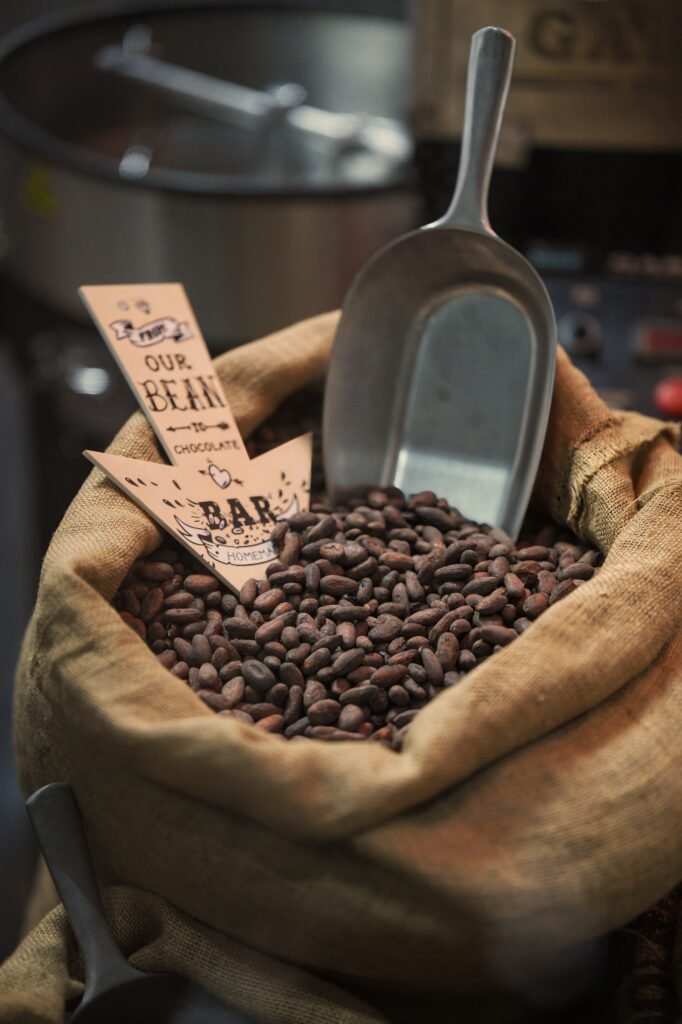
Quality provides another route to protecting margins. Uganda’s coffee sector still has substantial room to capture more value through better drying, grading, sorting, storage, processing, roasting and packaging. The Coffee Department of MAAIF notes that more than 95 per cent of Uganda’s annual coffee production is exported as green beans, meaning most of the value associated with secondary processing and finished coffee is captured beyond the farm gate.
That creates an opportunity for entrepreneurs to move further along the value chain, whether by supplying specialty markets, developing roasted coffee brands or selling directly to hotels, offices, retailers and consumers.
But value addition should not be treated as an automatic solution. A roasting machine does not create a market by itself. Packaging, branding, distribution, electricity, equipment maintenance and customer acquisition all require capital. The commercial case has to be demonstrated through demand and margins.
Financing decisions therefore matter as much as production decisions. An entrepreneur considering a warehouse, processing facility or roasting operation needs to understand how much working capital will be required before the investment begins generating returns. Higher fuel costs and exchange-rate volatility can quickly increase the amount of money tied up in inventory and operations.
Cash-flow discipline becomes particularly important when prices are uncertain. Businesses that build their plans around an assumption that coffee prices will rise may find themselves exposed when the market moves in the opposite direction.
Uganda’s coffee industry remains one of the country’s major sources of export earnings, but individual agripreneurs have little control over international prices, global production, oil prices or the exchange rate.
What they can control is the quality of their coffee, the efficiency of their operations, the costs attached to every kilogramme, the markets they target and how carefully they manage cash.
The strongest coffee businesses may not necessarily be those moving the largest volumes. They will be the businesses that understand their numbers well enough to know when volume creates value, when it merely creates turnover and where a changing market is quietly eating into their margins.
For Uganda’s coffee agripreneurs, the lesson is simple: when prices, fuel and the shilling are all moving, profitability has to be managed deliberately. The business is no longer won simply by producing or selling more coffee. It is won by keeping more value from every kilogramme that passes through the enterprise.
Editor’s Note: This article is part of the I’mAnAgripreneur thought leadership series by Publicist East Africa, exploring the ideas, policies, market innovations and investment opportunities shaping the future of agriculture, agribusiness and industrialisation across East Africa.