
Uganda’s tourism sector is set for a significant transformation following a high-level meeting where the Uganda Tourism Association (UTA), the European Union and over 20 global development partners convened to address critical challenges and chart a sustainable path forward.
This landmark hybrid session, hosted by Mr. Louis Lechighero, the EU’s Head of Programs, signals a new era of multi-stakeholder cooperation to position Uganda as a model for sustainable tourism in Africa.
The European Union is developing a program to support both public and private initiatives, with a €15.5 million, about Shs65.17 billion investment, to ensure Uganda’s tourism sector thrives sustainably. This partnership includes initiatives like skill training, digitalisation of learning systems, and stronger industry linkages.
The meeting brought together key international players, including the World Bank, International Trade Centre (ITC), ENABEL, UNESCO, UNCDF, TradeMark Africa, and CBI.
The dialogue provided a crucial platform to assess the sector’s current state and explore long-term solutions aligned with global best practices.
Addressing Challenges for Sustainable Growth
Despite Uganda’s immense potential as “The Pearl of Africa,” several impediments have constrained its full growth. The meeting identified key challenges, which include:
Policy and Taxation Gaps
These include inconsistent policies and unsupportive tax structures that affect the tourism sector.
Inadequate Infrastructure
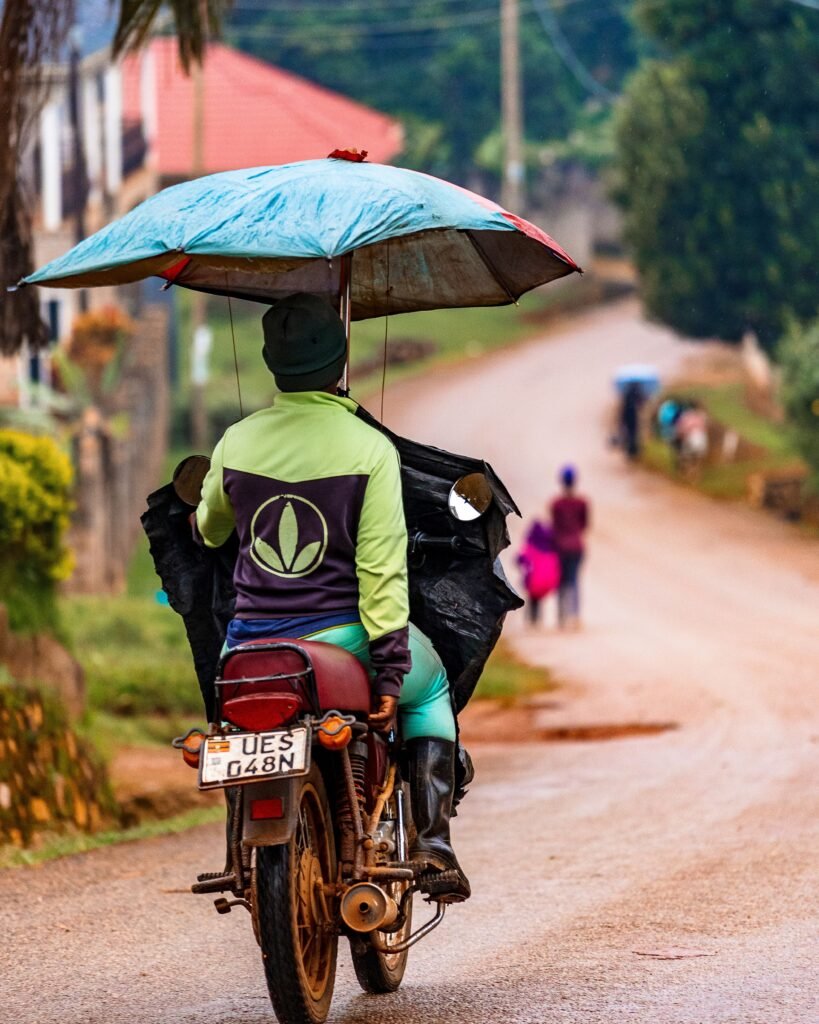
The deficiencies in roads, accommodation, regional aerodromes and other infrastructure negatively impact the sector.
Limited Access to Financing
This makes it difficult, especially for small and community-based enterprises, to secure affordable capital.
Human Capital Gaps
There is insufficient skilled personnel and capacity development to promote tourism in Uganda.
Underdeveloped Products
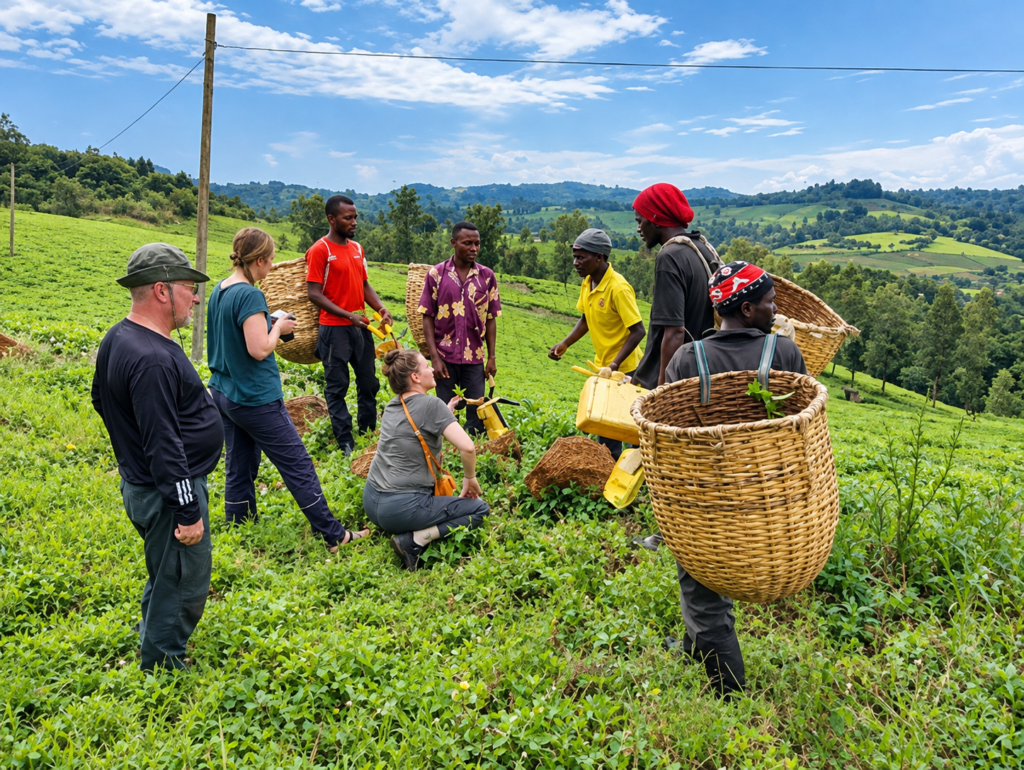
The country also faces a narrow range of tourism offerings and a lack of diversification into other forms of tourism like eco-tourism and Agrotourism.
Insufficient International Marketing
The country suffers from limited global visibility for “Destination Uganda,” which makes it hard to promote tourism across the globe.
Restrictive Visa System
An inefficient and complex visa application process also impedes tourism by reducing the number of people coming to Uganda annually.
The key role of UTA, under the leadership of Mrs. Yogi Biriggwa, in fostering sector-wide coordination was widely lauded. The recent launch of the Tourism Working Group (TWG), for example, was highlighted as a crucial step towards collective reform.
Blueprint for Sustainable and Inclusive Tourism
During the meeting, development partners reaffirmed their commitment to supporting initiatives that promote inclusive, environmentally conscious, and community-driven tourism. The meeting outlined a series of priority interventions with sustainability at their core, which include:
Promote Sustainable Tourism
This can be done by emphasising ecotourism practices to protect biodiversity, support local communities, and ensure long-term sector resilience.
Expand Tourism Financing
Through increasing access to affordable financing, particularly for small and community-based enterprises.
Elevate Global Visibility
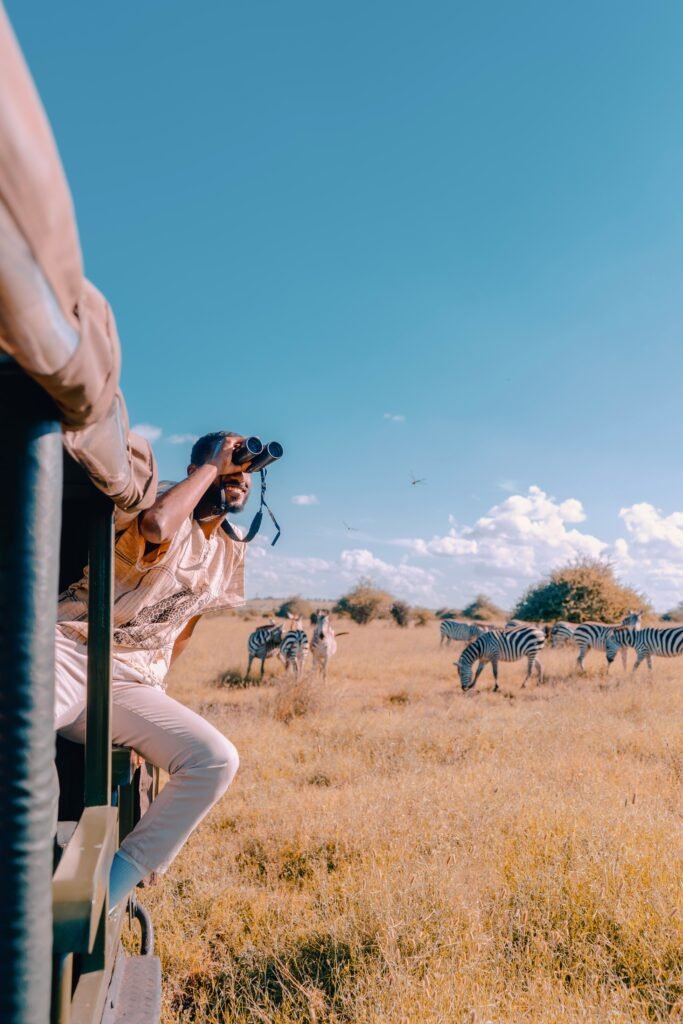
This can be done by intensifying international marketing efforts to position Uganda as a premier, eco-conscious travel destination.
Invest in Green Infrastructure
Developing climate-resilient roads and regional aerodromes to enhance accessibility can greatly boost the tourism sector.
Improve Business Environment
This can be done through streamlining regulations to encourage responsible investment.
Drive Product Diversification
Fostering innovation and expanding tourism products to appeal to niche and nature-based markets is key for bolstering Uganda’s tourism sector.
Promote Emerging Circuits
This can be achieved through developing new tourism circuits with high sustainable potential, including:
Elgon–Sipi–Karamoja
Kabarole–Rwenzori–Queen Elizabeth National Park (QENP)
Greater Kampala Metropolitan Area
Albertine Rift Region
Kisoro–Lake Bunyonyi–Bwindi
Accelerate Digitisation
By enhancing access, transparency, and efficiency within the sector through digital transformation.
This landmark meeting marks a profound step forward, solidifying multi-stakeholder cooperation to transform Uganda’s tourism sector into a robust, sustainable, and inclusive vehicle for national development.
By addressing key challenges and implementing these strategic interventions, Uganda aims to harness its unparalleled natural and cultural heritage to become a leading eco-tourism destination in Africa.