The government of Uganda has announced plans to secure a new USD 400 million (over Shs1.4 trillion) loan from a consortium of lenders, including the African Development Bank (AfDB), the International Fund for Agricultural Development(IFAD), the Islamic Development Bank and UniCredit Bank Austria, to finance critical infrastructure projects in the transport and agriculture sectors.
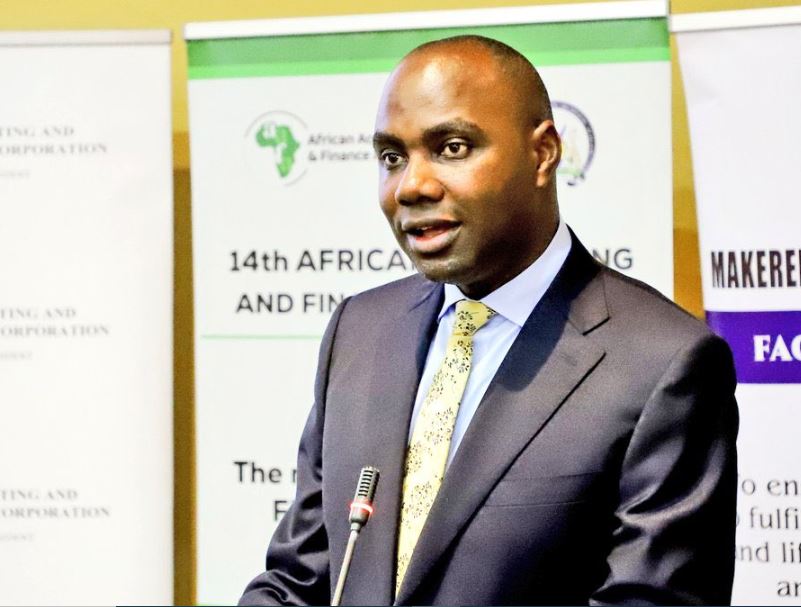
The announcement was made in Parliament this week by Hon. Henry Musasizi, the State Minister of Finance, who said that the money is needed by the government to finance critical infrastructure projects.
However, while the government frames this borrowing as essential for economic growth, the announcement comes at a time of escalating public concern over a mounting debt burden and pervasive corruption that has systematically eroded public trust.
With Uganda’s total public debt soaring to USD 29.1 billion, an 18% increase in the last year, the new loan is not just a financial transaction; it’s a test of the government’s credibility in the eyes of a sceptical public.
From Borrowing to Mistrust
The government, led by the Ministry of Finance, Planning and Economic Development, maintains that the increased borrowing is a necessary tool to fund key infrastructure.
Minister Musasizi noted that a significant portion of the new funds will be used to complete a stalled toll road project connecting Uganda to Rwanda, Burundi and the Democratic Republic of Congo, a project meant to boost regional trade.
However, this rationale is being met with growing scepticism, as Ugandans have repeatedly seen borrowed funds fail to translate into tangible development.
The Office of the Auditor General has consistently exposed widespread mismanagement and misuse of public funds over the years.
A recent report revealed that billions of shillings were paid to “ghost workers” and lost due to inefficient project management and poor planning.
In 2024, the Auditor General’s report also exposed inconsistencies in the number of pupils receiving government capitation grants, a clear indication of financial leakages.
For the average Ugandan, these findings create a direct link between rising national debt and the deteriorating quality of public services.
According to a 2025 Afrobarometer survey, two-thirds of Ugandans believe that corruption has increased in the past year, and majorities perceive widespread corruption within key public institutions, including Parliament and the civil service.
When citizens see loans taken in their name for projects that are either substandard, incomplete, or over-budgeted, trust in the government’s management of public finances inevitably plummets.
The Real Cost of Debt
Beyond the issue of corruption, the country’s debt is posing a serious fiscal risk, according to financial experts.
The Bank of Uganda has, for instance, warned that the cost of servicing the debt is “putting significant pressure on public revenues, which means a growing portion of the national budget is being diverted from essential services.”
Funds that could be used for building hospitals, paying teachers, or investing in the agricultural sector are instead being used to repay loans, a situation that traps the country in a vicious cycle of borrowing to service existing debt.
This financial pressure, coupled with a lack of accountability, creates a dire challenge for a nation that needs to invest heavily in its future.
The new USD 400 million loan will thus add to this burden, and its success will depend not only on its effective use but also on the government’s ability to demonstrate unprecedented transparency and accountability.
Without a fundamental shift in how public funds are managed and a genuine effort to combat corruption, each new loan will serve to deepen the crisis of trust and ultimately undermine the very economic growth it is meant to achieve.
What are your thoughts on this?
Join the conversation in the comments section or share your thoughts on the PublicistEA social media platforms.