
Uganda’s tourism sector is no longer just a collection of stunning landscapes and unique wildlife; it has emerged as a multi-faceted engine of national development. According to Senior Presidential Advisor on Tourism and former CEO of the Uganda Tourism Board (UTB), Lilly Ajarova, this vital sector is a powerful “driver of diplomacy, a builder of rural economies, and a catalyst for cultural preservation.”
Her call for tourism policy to be central to national development conversations underscores the profound and far-reaching impact this sector has on Uganda’s future.
Recent data from 2024 paints a compelling picture of tourism’s economic might. According to a report from the Ministry of Finance, Planning, and Economic Development, the sector contributed a significant 3.2% directly to Uganda’s GDP and a total of 7.2% to national employment, resulting in over 803,000 jobs.
It is also a leading foreign exchange earner, generating a record USD 1.28 billion in international tourism receipts in 2024. These figures, a testament to the sector’s remarkable resilience and recovery from the pandemic, highlight its pivotal role as a key driver of the Ugandan economy.
Beyond the Numbers and the Broader Impact
Ajarova’s insights point to a holistic understanding of tourism’s value, extending far beyond economic metrics. Her perspective highlights how a strategically managed tourism sector can address some of the nation’s most pressing development challenges.
A Driver of Diplomacy and Soft Power
Tourism serves as a powerful tool for public diplomacy, shaping international perceptions and fostering goodwill. When tourists visit Uganda, they become ambassadors for the country, sharing their experiences and helping to reframe the narrative of the “Pearl of Africa” on the global stage.
Hosting international tour agents and delegations, as Uganda has done, is a deliberate strategy to build trust and forge commercial ties. This “tourism diplomacy”, according to Ajarova, creates a positive national identity, which can attract foreign investment, strengthen bilateral relations, and facilitate cultural exchange.

Building Rural Economies from the Ground Up
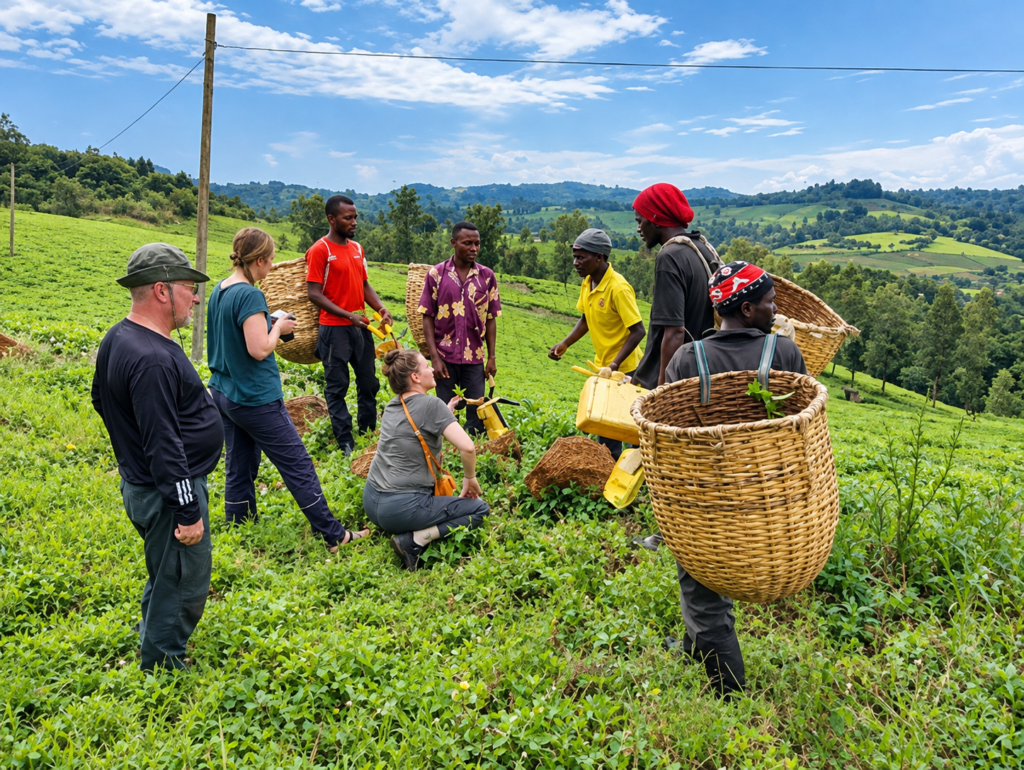
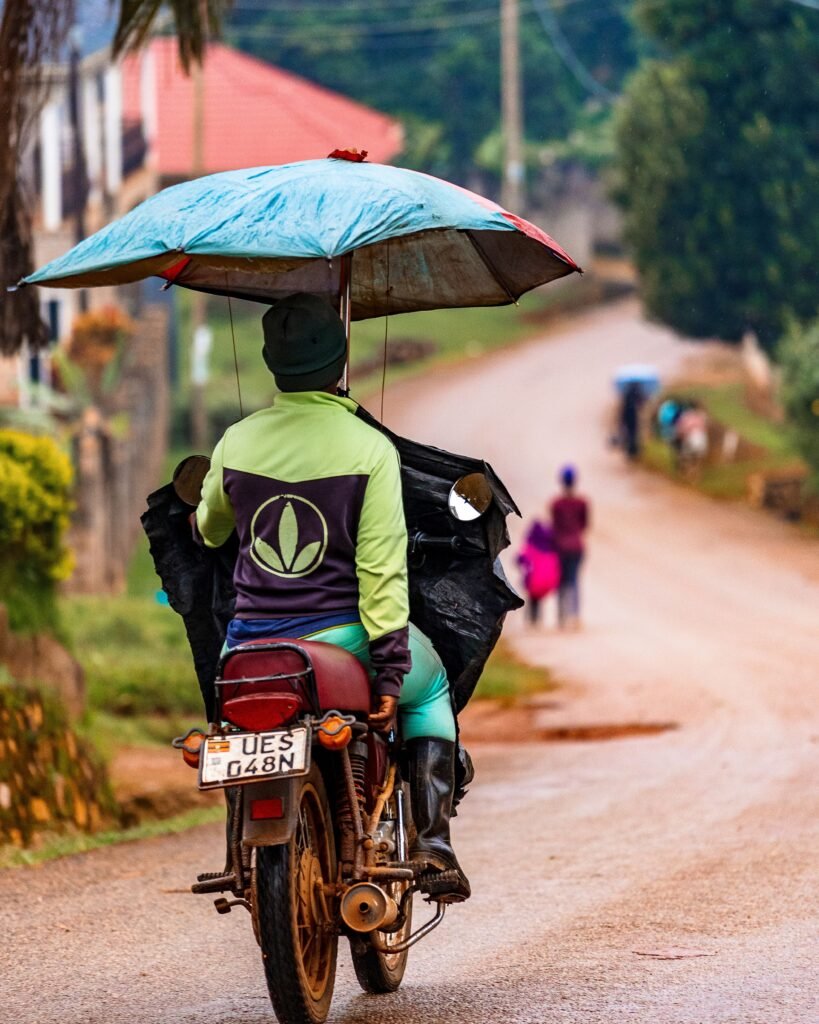
While major cities often benefit from national development, tourism has a unique ability to uplift rural communities. In Uganda, national parks and cultural sites are often located in remote areas. Revenue generated from park fees, permits, and visitor spending directly supports these communities through job creation (as guides, lodge staff, artisans, and farmers) and funding for community development projects.
By linking tourism directly to local livelihoods, the sector provides a sustainable alternative to practices like poaching and deforestation, ensuring that the economic benefits of conservation are tangible and widespread.
Catalyst for Cultural Preservation
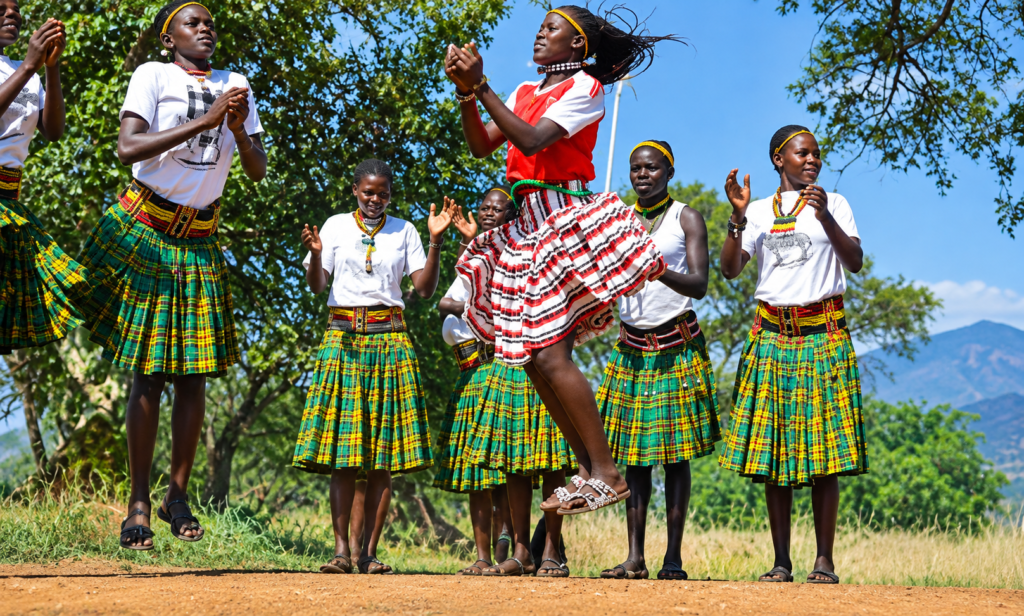
Uganda is home to over 50 different ethnic groups, each with its unique traditions, languages, and customs. Tourism plays a vital role in preserving this rich cultural heritage.
By creating a commercial value for traditional dances, music, crafts, and rituals, tourism provides an incentive for communities to maintain and pass down these traditions to younger generations.
Cultural tourism not only gives visitors an authentic experience but also instils a sense of pride and identity within local communities, turning heritage into a source of economic empowerment.
Aligning Tourism Policy with National Development
As Uganda embarks on its Fourth National Development Plan (NDP IV), Ajarova’s advice to make tourism policy central to national development is more critical than ever. This requires a deliberate and coordinated approach, including:
Targeted Investment
By prioritising investments in tourism infrastructure, such as roads to national parks, communication networks, and the continued development of star-rated hotels, which enhance the visitor experience and attract higher-spending tourists.
Strategic Marketing
By continuing to invest in global marketing campaigns like “Explore Uganda – The Pearl of Africa”, “Pearl of Africa Tourism Expo”, and others to attract high-value tourists who stay longer and spend more.
Inclusive Development
Through crafting policies that ensure marginalised groups and communities with special needs are actively involved and benefit from tourism initiatives, guaranteeing that growth is both equitable and sustainable.
By embracing this comprehensive vision for tourism, Uganda can leverage its natural and cultural riches not only to drive economic growth but also to build a more diplomatic, inclusive, and culturally vibrant nation.
Tourism is not a standalone sector; it is a strategic tool for shaping Uganda’s economic future and impacting communities one at a time.