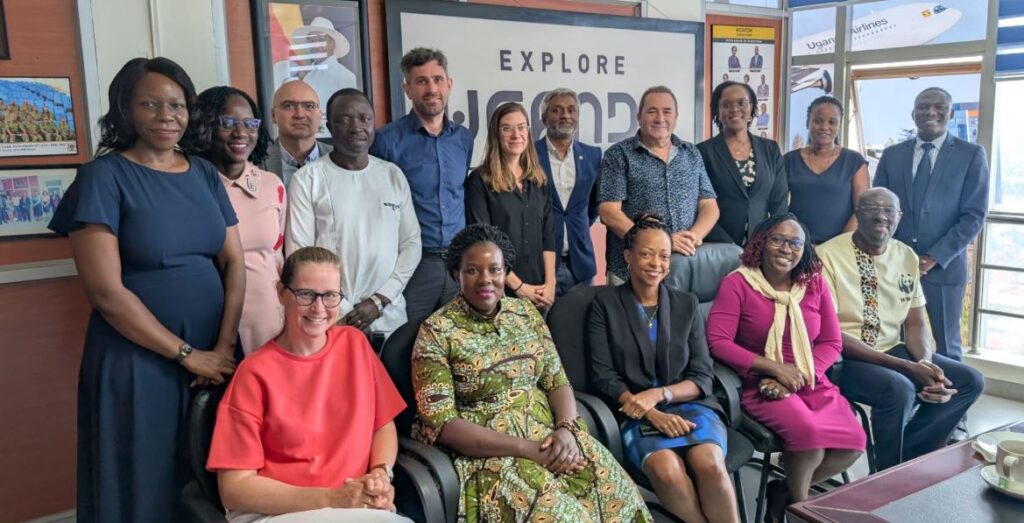
In a highly productive session this week, the Uganda Tourism Board (UTB), led by Ms. Juliana Kagwa, the Chief Executive Officer (CEO), engaged with key development partners to strategise on accelerating the growth of Uganda’s promising tourism sector.
The discussions, characterised by a shared vision and enthusiasm, focused on harnessing the country’s immense, yet often underexplored, tourism potential, laying the groundwork for exciting new collaborations and investments.
Uganda, globally recognised as the ‘Pearl of Africa’, boasts an unparalleled diversity of attractions.
According to Kagwa, the UTB dialogue with development partners highlighted several key areas where the country can significantly amplify its tourism appeal and impact, some of which include:
Ecotourism
It was observed that Uganda is a biodiversity hotspot, home to over half of the world’s remaining mountain gorillas in Bwindi Impenetrable National Park, chimpanzees in Kibale Forest, and an incredible array of bird species (over 1,000, roughly half of Africa’s total).
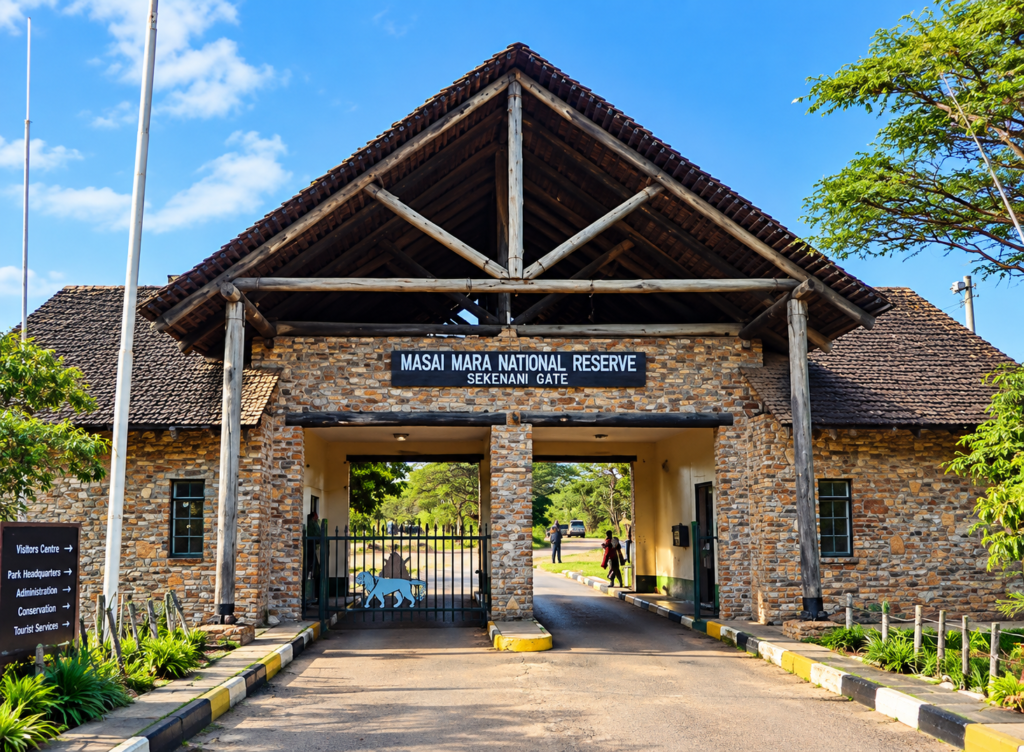
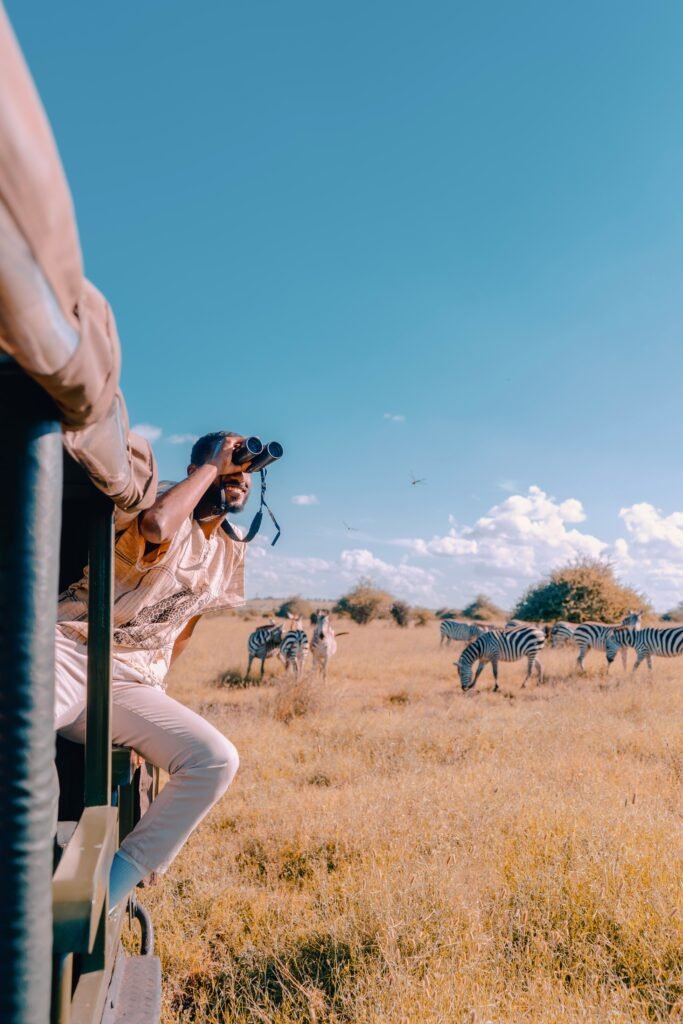
The country’s vast protected areas, including Murchison Falls National Park and Queen Elizabeth National Park, offer classic savanna safaris with the “Big Five.”
The UTB discussions with development partners, therefore, centred on developing and marketing these natural assets sustainably, ensuring conservation goes hand-in-hand with tourism growth.
The Blue Economy
Uganda’s significant water bodies, particularly Lake Victoria (Africa’s largest lake), Lake Albert, and the source of the Nile River, present vast opportunities for “Blue Economy” tourism.
This includes promoting water-based activities like boat safaris, fishing tourism, kayaking, white-water rafting, and developing lakeside resorts. The discussion explored ways to diversify tourism offerings beyond traditional wildlife safaris.
Digital Transformation
Leveraging technology is crucial for modern tourism. The partners explored how digital tools can enhance destination marketing, improve visitor experiences (e.g., online booking systems, virtual tours, mobile apps), streamline operational efficiency for tourism businesses, and gather crucial data for informed decision-making. Digital platforms were identified as vital for reaching global audiences effectively.
Sustainable Destination Development
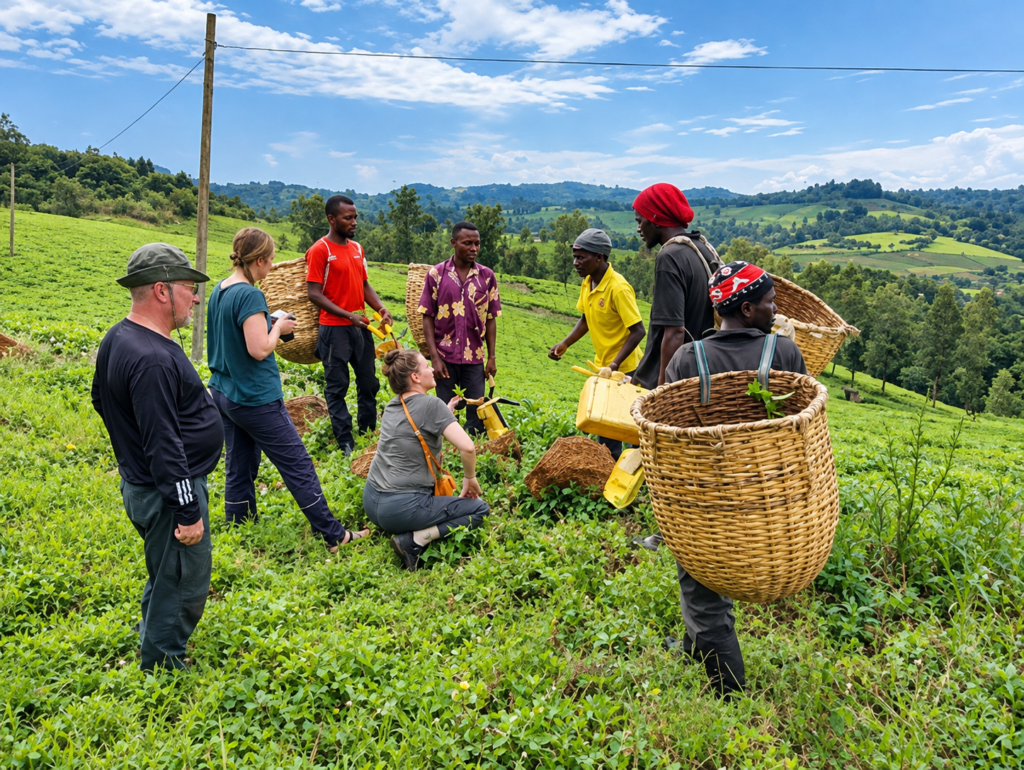
This is a core theme in ensuring that tourism growth is responsible and sustainable. This involves developing infrastructure that minimises environmental impact, empowering local communities through tourism-related employment and entrepreneurship, preserving cultural heritage, and managing visitor numbers to prevent over-tourism in sensitive ecosystems. Sustainable practices enhance Uganda’s appeal to eco-conscious travellers.
The UTB emphasised that the path forward is paved with exciting opportunities for public-private partnerships (PPPs).
Kagwa noted that such collaborations are essential for mobilising the necessary capital, expertise, and innovation to develop world-class tourism infrastructure and services.
She noted that by working hand-in-hand, government agencies, local communities, and private investors can unlock mutually beneficial outcomes, from new hotel developments to improved transport links and specialised tour operators.
Furthermore, the discussion highlighted the critical need for investments in nature and culture-based tourism.
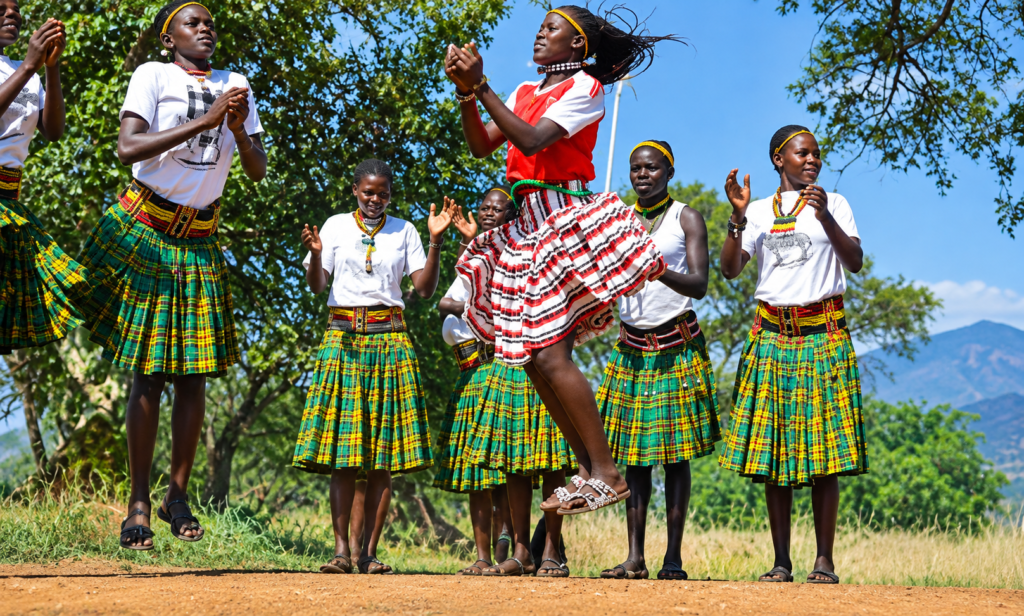
This means, according to Kagwa, directing resources towards conservation efforts, protecting natural habitats, and investing in the preservation and promotion of Uganda’s vibrant cultural sites, traditional practices, and historical landmarks.
These investments are not just for conservation; they are fundamental to creating unique and authentic visitor experiences that differentiate Uganda in the global market.
The discussion also agreed that a significant aspect of the strategy involves storytelling because effective storytelling can build a strong brand identity for “Destination Uganda,” enticing travellers to explore its diverse offerings.